
What to Wear in 40 Degree Weather: Outfit Ideas & Layers
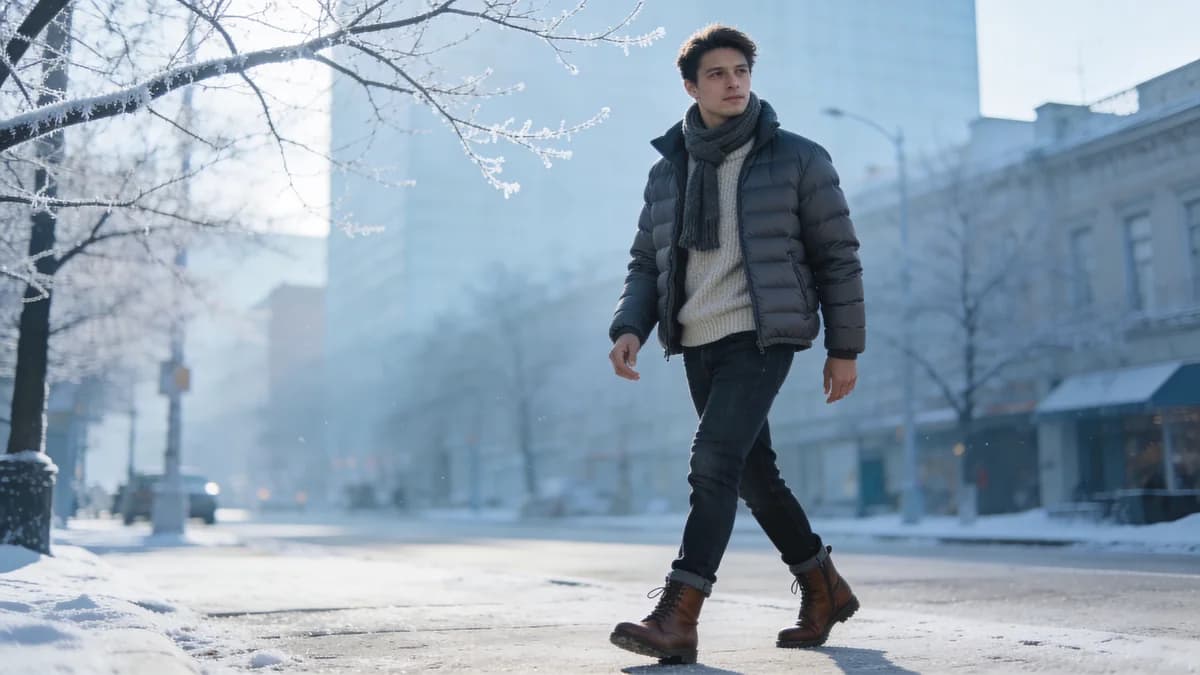
Why 40 Degree Weather Demands Real Layering
What to wear in 40 degree weather is one of the first outfit questions people search every fall and early spring — because 40 degrees Fahrenheit (4 degrees Celsius) is where casual dressing stops working. At this temperature, a single sweater leaves you cold within minutes, and stepping out without a proper jacket is a guaranteed mistake. According to NOAA climate data, cities across the northern United States experience 40-degree average highs for roughly 6 to 10 weeks each year, making this one of the most common cold-weather scenarios to dress for.
The challenge is that 40 degrees sits in an uncomfortable middle ground. It is not cold enough for full winter gear like heavy parkas and thermal everything, but it is cold enough that wind, rain, or shade can make you genuinely uncomfortable without proper insulation. The National Weather Service notes that wind chill at 40 degrees with just 15 mph wind drops the perceived temperature to approximately 34 degrees — below freezing on your exposed skin.
"The 40-degree zone is where most people underdress because they look outside, see sunlight, and forget that the air is genuinely cold," says stylist and author Stacy London, co-host of What Not to Wear. "This is the temperature where your layering system has to actually work, not just look good."
This guide gives you a proven 3-layer formula for 40 degree outfits, the best jackets for this specific temperature, occasion-specific outfit ideas, and clear guidance on fabrics and accessories. If you are also dealing with days that warm into the upper 40s and low 50s, our 50 degree weather outfit guide covers the lighter layering adjustments for those warmer afternoons.
The 3-Layer System for 40 Degree Weather
A structured 3-layer system is non-negotiable at 40 degrees. Unlike 60 degree weather where you can get by with a base layer and a light jacket, 40 degrees requires all three layers working together to regulate your body temperature throughout the day.
A 2024 study published in Advanced Materials on thermoregulating textiles found that layered fabric systems regulate skin temperature significantly more effectively than single heavy garments. At 40 degrees, the air pockets trapped between three distinct layers create a thermal buffer that one thick coat simply cannot replicate.
Layer 1 — The Warm Base
Your base layer at 40 degrees needs to do more than just sit against your skin — it needs to retain heat while wicking moisture away from your body. This is the layer that stays on all day, whether you are walking to the office, sitting at your desk, or heading to dinner.
Best base layer options for 40 degree weather:
- Merino wool long-sleeve — the gold standard for cold-weather base layers. Merino is naturally temperature-regulating, moisture-wicking, and odor-resistant. According to research highlighted by the International Wool Textile Organisation, merino wool keeps the microclimate between garment and skin steadier during stop-go activity, helping the body stay close to its comfort zone with less effort.
- Lightweight thermal top — synthetic thermals made from polyester or polypropylene blends trap heat efficiently while staying thin enough to layer over without bulk.
- Cotton long-sleeve tee (with conditions) — cotton works at 40 degrees only if you will not be sweating or encountering rain. Cotton absorbs moisture and loses insulating ability when wet, which is why the outdoor industry phrase "cotton kills" exists for genuinely cold conditions.
Fit matters at 40 degrees. Your base layer should be snug but not tight — close enough to your body to trap warmth, loose enough that air circulates. Avoid baggy base layers, which create cold air pockets instead of warm ones.
Layer 2 — The Insulating Mid Layer
The mid layer is the most important piece in your 40 degree outfit. It provides the bulk of your warmth and is the primary adjustment lever when temperatures fluctuate during the day. At 40 degrees, you need a genuine insulating mid layer — a thin cardigan or open flannel that works at 55 degrees will not cut it here.
Top mid layer picks for 40 degree weather:
- Fleece pullover or jacket — fleece offers the best warmth-to-weight ratio in a mid layer. It dries quickly, retains heat even when damp, and compresses well when you need to remove it indoors. As REI's layering guide notes, fleece breathes well and stays warm even if it gets damp, making it a popular mid-layer choice for cool-weather hiking and everyday wear.
- Wool sweater (crewneck or turtleneck) — a substantial wool sweater adds insulation and style simultaneously. A turtleneck protects your neck from drafts without requiring a scarf.
- Down vest — traps core warmth while leaving your arms free for mobility. Particularly effective when worn under a jacket because it adds insulation where heat loss is greatest — your torso.
- Quarter-zip pullover — the adjustable neckline lets you release heat quickly when you step indoors without removing the layer entirely.
The mid layer is where 40 degree dressing diverges most from 50 degree dressing. At 50 degrees, a light cardigan or thin knit is sufficient. At 40 degrees, you need real insulation — something that would feel too warm at 55 degrees is about right.
Layer 3 — The Protective Outer Layer
Your outer layer at 40 degrees must do two jobs: block wind and provide insulation. A shell-only jacket that works at 55 degrees is not enough here. You need an outer layer with genuine substance — either built-in insulation or enough structure to seal warmth from your mid layer inside.
The outer layer section below covers specific jacket recommendations in detail.
Best Jackets and Coats for 40 Degree Weather
The jacket you choose for 40 degree weather makes or breaks your comfort for the entire day. Too light, and you are cold from the moment you step outside. Too heavy, and you are sweating on public transit or overheating in stores. Here are the best options ranked by versatility and occasion.
| Jacket Type | Best For | Wind Protection | Warmth Level | Style Level |
|---|---|---|---|---|
| Mid-weight puffer | Commuting, errands, outdoor events | Strong | High | Sporty-casual |
| Wool overcoat | Work, dinner, polished occasions | Strong | High | Elevated |
| Insulated trench coat | Office, versatile daily wear | Strong | Medium-high | Polished |
| Lined bomber jacket | Casual, weekends, evening plans | Moderate | Medium | Streetwear |
| Quilted field jacket | Outdoor activities, casual | Strong | Medium-high | Rugged-classic |
The mid-weight puffer jacket is the most practical choice for 40 degree weather. Modern puffers are significantly slimmer than the bulky versions of the past — brands now use higher fill-power down and advanced synthetic insulation that provides serious warmth without a bulky silhouette. According to a 2025 McKinsey State of Fashion report, performance outerwear that transitions between outdoor function and urban style grew 18% year-over-year in consumer demand.
The wool overcoat is the right choice when you need to look polished. A single-breasted wool coat in charcoal, navy, or camel provides insulation through dense wool fibers while projecting a sharp, intentional look. This is the jacket for client meetings, dinners, and any occasion where a puffer feels too casual.
The insulated trench coat bridges the gap between performance and polish. A trench with a removable quilted liner adapts to the full 35-to-50-degree range — liner in at 40 degrees, liner out at 48 degrees. Fashion analyst Anusha Couttigane, Principal Analyst at Kantar, notes that "consumers in 2026 are gravitating toward modular outerwear with removable layers, reflecting a shift toward fewer, more versatile pieces rather than single-purpose jackets."
What to avoid at 40 degrees: unlined denim jackets (too thin for sustained cold), lightweight blazers alone (no wind protection), and heavy sub-zero parkas (overkill that causes sweating and bulk).
40 Degree Outfit Ideas by Occasion
The best outfits for 40 degrees depend on where you are spending your day. A Monday morning commute, a Saturday afternoon farmer's market, and a Friday evening restaurant all require different approaches to the same temperature.
Work and Office Outfits for 40 Degree Weather
For professional settings, the strategy is dressing your base and mid layers for 68-to-72-degree office interiors, then adding an outer layer that looks polished during the commute and transitions.
Women: Tailored wool-blend trousers + fitted turtleneck or silk blouse + wool blazer or structured cardigan + wool overcoat or insulated trench for the commute + ankle boots or leather loafers with thick socks. Remove the coat at the office and the blazer or cardigan serves as your visible outer layer.
Men: Wool trousers or heavy chinos + button-down shirt + crewneck wool sweater + wool overcoat + leather dress boots or oxford shoes. The sweater stays on at the office as a clean, polished mid layer.
Key tip: The commute-to-desk transition is the core challenge. Your base layer and mid layer need to be comfortable indoors for hours. The outer layer is strictly for the 15 to 30 minutes you spend outside. For more professional outfit strategies, see our guide on office outfit ideas.
Casual Weekend Outfits for 40 Degree Weather
Weekend at 40 degrees calls for warmth you do not have to think about. Comfort-first fabrics, easy layers, and shoes that can handle cold pavement for hours.
Women: Lined or fleece-backed jeans or insulated leggings + long-sleeve thermal tee + chunky knit sweater or fleece + mid-weight puffer or quilted jacket + warm boots or insulated sneakers. A knit beanie and thin scarf add warmth without overdressing.
Men: Dark jeans or corduroy trousers + henley or waffle-knit long sleeve + fleece pullover + lined bomber or puffer jacket + insulated boots or leather sneakers. Layer a vest under the jacket for extra core warmth on especially cold mornings.
The approach from our casual outfit ideas guide applies here: build a reliable casual formula and adjust with one swap. Replace the puffer with a wool coat, or swap boots for dress shoes, and the outfit shifts from park walk to brunch.
Date Night Outfits for 40 Degree Weather
Date night at 40 degrees benefits from slightly more thought than other temperatures because heavier layers can mask your outfit. The goal is looking intentional while staying warm.
Women: Fitted midi dress with opaque tights + ankle boots with a low block heel + wool overcoat in a statement color (burgundy, camel, deep green). Alternatively, tailored trousers + a fitted cashmere sweater in a rich tone + structured blazer layered under the coat. A 2025 Match.com Singles in America survey found that thoughtful, well-put-together styling ranked among the top three first-impression factors — not expensive clothing, but intentional choices.
Men: Dark slim-fit jeans or tailored trousers + quality turtleneck or button-down + sport coat or blazer + wool overcoat + leather Chelsea boots. The turtleneck is a strong move at 40 degrees — it provides neck warmth, eliminates the need for a scarf, and reads as refined. For more color and styling psychology for dates, see our date night outfit ideas guide.
Outdoor and Active Outfits for 40 Degree Weather
Extended time outdoors at 40 degrees — running, hiking, walking the dog, spectating at outdoor events — requires moisture management above all else. You will generate heat through activity, but the cold air will cool sweat rapidly, which creates a chill if your fabrics do not wick properly.
Running or walking: Moisture-wicking long-sleeve base + light running vest or quarter-zip + running tights (not shorts) + running shoes with warm socks. The American Council on Exercise guidance on training in cold weather emphasizes layered clothing that traps air while letting sweat pass through, so you can adjust insulation as your body warms up — a useful reason to dress as if it is 15 to 20 degrees warmer than the actual temperature for sustained cardio.
Hiking or outdoor activities: Merino wool base layer + fleece mid layer + packable insulated jacket or softshell + hiking pants + insulated trail shoes. At 40 degrees, exposed ridgelines and shadowy trails can feel 10 degrees colder, so pack an extra layer even if the parking lot feels manageable.
Spectating or standing outdoors: Add warmth beyond what you would wear walking. A heavier insulated coat, insulated boots, thick gloves, and a beanie are all necessary when you are not generating body heat through movement. Standing still at 40 degrees for an hour feels substantially colder than walking.
Dressing for the 35-50 Degree Range — Adjustments by Temperature
Every five-degree shift in the 35-to-50-degree range changes what you need. This table expands the 3-layer formula so you can adjust on any given day.
| Temperature Range | Base Layer | Mid Layer | Outer Layer | Accessories |
|---|---|---|---|---|
| 35-38°F (2-3°C) | Thermal or merino wool | Heavy fleece or wool sweater | Insulated winter coat | Scarf, insulated gloves, beanie |
| 38-42°F (3-6°C) | Long-sleeve merino or thermal | Fleece or wool sweater | Mid-weight puffer or wool coat | Scarf, thin gloves, beanie optional |
| 42-45°F (6-7°C) | Long-sleeve tee or merino | Quarter-zip or cardigan | Lined jacket or light puffer | Scarf optional, thin gloves |
| 45-50°F (7-10°C) | Long-sleeve tee | Light cardigan or vest | Trench coat or denim jacket | Light scarf optional |
The critical insight: below 38 degrees, you are approaching true winter dressing and should reference our winter wear guide for heavier insulation strategies. Above 45 degrees, you are closer to 50 degree weather territory where lighter mid layers and thinner jackets work. The 38-to-43-degree zone is the core of 40 degree dressing — where every layer genuinely matters.
Best Fabrics for 40 Degree Weather
Fabric selection at 40 degrees shifts decisively toward warmth and wind protection over breathability. At 60 degrees, the risk is overheating. At 40 degrees, the risk is cold air penetrating thin fabrics and sapping body heat. A 2024 study in the Textile & Leather Review on fabric breathability and thermal comfort found that insulating natural fibers like wool consistently outperform single-layer synthetics for sustained warmth in the 35-to-50-degree range.
Best fabrics for 40 degree weather:
- Merino wool — the top performer for base and mid layers at 40 degrees. Temperature-regulating, moisture-wicking, odor-resistant, and warm even when damp. A merino base layer paired with a merino or lambswool mid layer provides all the insulation most people need.
- Fleece (polyester) — the most practical mid-layer fabric. Lightweight, warm, quick-drying, and affordable. Fleece retains warmth even when damp and dries quickly, which is why it remains a go-to mid layer for cool-weather hiking and everyday wear.
- Down and synthetic down — the warmest insulating fill for jackets and vests. Down provides the best warmth-to-weight ratio, while synthetic alternatives (PrimaLoft, Thinsulate) perform better in wet conditions.
- Heavyweight cotton (flannel, brushed cotton) — works well for mid layers like flannel shirts and brushed cotton sweaters. Provides warmth and comfort but absorbs moisture, so best for low-activity days.
- Corduroy — an underrated cold-weather fabric. The ridged texture traps air for insulation, and the dense weave blocks wind. Excellent for trousers and jackets in the 35-to-45-degree range.
- Cashmere — a premium mid-layer option. Cashmere is significantly warmer than standard wool by weight while being lighter and softer. A thin cashmere sweater provides surprising insulation without bulk.
Fabrics to avoid at 40 degrees:
- Linen — zero insulation, designed for summer heat dissipation
- Lightweight cotton t-shirts as standalone layers — too thin to retain warmth against cold air
- Unlined canvas — wind passes through easily, providing no thermal benefit
- Silk as an outer layer — too delicate and offers minimal wind protection
What NOT to Wear in 40 Degree Weather
Knowing what to avoid prevents the worst 40 degree outfit mistakes. These are the choices that lead to shivering, overheating, or spending the day uncomfortable.
- A denim jacket as your only outer layer — denim jackets are the workhorse of 50 degree weather, but at 40 degrees, they do not provide enough insulation or wind protection. You will be cold within 10 minutes. If you love the denim look, layer it under a warmer coat.
- Shorts of any kind (outside of exercise) — at 40 degrees, bare legs lose heat rapidly. As Cleveland Clinic explains in its guide to cold hands and feet, blood vessels in your extremities constrict in cold conditions to preserve core temperature and protect vital organs — which is why exposed legs at 40 degrees feel uncomfortable fast.
- Open-toe shoes or thin canvas sneakers — your feet have minimal blood flow in cold weather, and thin-soled shoes conduct cold from the pavement directly. Closed-toe boots, leather sneakers, or insulated shoes are necessary.
- A single thick sweater with no outer layer — a heavy sweater provides insulation but zero wind protection. Even a light gust at 40 degrees cuts through knit fabric immediately. Always pair a sweater with a windproof jacket.
- A heavy sub-zero parka — designed for 10-to-20-degree weather, a heavy parka causes overheating and sweating at 40 degrees, which then makes you feel colder when the moisture chills. Match your outerwear weight to the actual temperature.
- Lightweight scarves or no accessories at all — at 40 degrees, a warm scarf and thin gloves are not optional extras. Your neck and hands are high heat-loss zones, and protecting them makes a disproportionate difference in overall comfort.
Accessories That Matter at 40 Degrees
At 40 degrees, accessories transition from optional finishing touches to essential comfort tools. Unlike 50 degree weather where a scarf is nice-to-have, at 40 degrees, specific accessories make a measurable difference in how warm you feel.
Essential accessories for 40 degree weather:
- Medium-weight scarf — wool or wool-blend, wrapped once or twice around your neck. Your neck is a major heat-loss zone, and a scarf at 40 degrees does more for warmth than adding a heavier coat. Choose a color that complements both your casual and polished outfits.
- Thin insulated gloves — not heavy ski gloves, but lightweight insulated or lined leather gloves that let you use your phone and grip objects comfortably. At 40 degrees, bare hands feel uncomfortably cold within 15 to 20 minutes outdoors.
- Beanie or knit hat — your head accounts for significant heat loss. A fitted beanie in merino wool or fleece keeps warmth in without looking overly bulky. Choose a neutral color that works with multiple outfits.
- Warm socks — merino wool or synthetic blend socks add insulation inside your shoes. Thin cotton socks at 40 degrees leave your feet cold regardless of how insulated your shoes are.
- Crossbody bag or structured tote — you will remove your outer layer indoors. A bag that can hold a folded puffer or store your scarf and gloves keeps you organized throughout the day.
What to skip at 40 degrees: heavy ski gloves (too bulky for everyday wear), ear muffs (a beanie covers your ears), and multiple scarves layered together (one quality scarf is sufficient). For full cold-weather accessory strategies below 35 degrees, see our winter wear guide.
Plan Your 40 Degree Outfit Before You Step Outside
Dressing for 40 degree weather comes down to one principle: every layer must earn its place. A warm base layer, an insulating mid layer, and a windproof outer shell handle the full range of a 40-degree day — from a frosty morning commute to a modestly warmer afternoon.
The trickiest part is visualizing how your specific clothes work together before you leave the house. Klodsy's AI outfit planner lets you build layered outfits from your own wardrobe, see how pieces look together with virtual try-on, and save go-to combinations for cold-weather days so you never waste time wondering if that jacket is warm enough or that sweater is too bulky under your coat.
Whether you are navigating early spring cold snaps or late fall temperature drops, the 3-layer formula adapts to any 40 degree day. Start with one outfit from this guide, test it on your next cold morning, and adjust from there. For warmer days ahead, our 50 degree weather guide and 60 degree weather guide cover the lighter layering strategies you will need as temperatures climb. And for daily outfit planning across any weather, check out our guide on what to wear today.
Related Articles
Business Casual Outfits for Women: 12 Fall and Winter Looks
Twelve business casual outfits for women for fall and winter workdays, built from trousers, knits and boots you likely own, so you stop guessing at 7 a.m.
Black Boots Outfits: Ankle, Knee-High and Over the Knee
Black boots outfits by height: ankle, knee-high and over the knee. The hem, trouser and heel that work with each, plus the mistakes that shorten your leg.
Leather Jacket Outfits: 20 Looks Beyond the Biker Cliché
Leather jacket outfits that don't read as costume: 20 looks for dinner, errands, concerts and work, plus fit rules, colors past black and faux vs real.
Frequently Asked Questions
Everything you need to know about this topic
Yes. At 40°F (4°C), your body loses heat quickly without proper insulation, and wind chill can make it feel closer to 30°F. You need a genuine layering system with an insulated jacket, warm mid layer, and long-sleeve base layer to stay comfortable.