
What to Wear in 30 Degree Weather: 7 Outfits for 30°F Days

30°F Is Below Freezing: Coat, Boots and Gloves Become Required
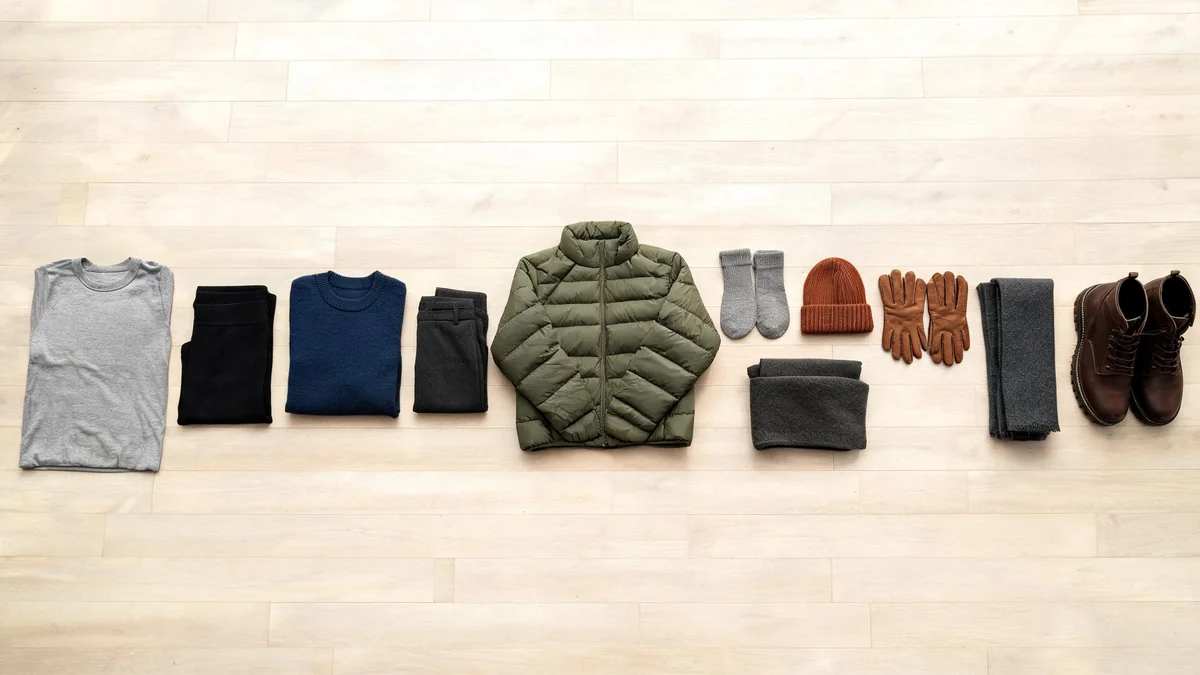
For 30 degree weather, wear an insulated winter coat that covers your hips, a warm base layer and sweater underneath, long pants with no bare ankle showing, and boots with a grippy rubber sole. Add a hat, gloves and a scarf, because at 30°F (about -1°C) those stop being optional. This guide means 30 degrees Fahrenheit; if your forecast says 30°C, that's roughly 86°F and you want our hot weather outfit guide instead.
Ten degrees colder than 40 sounds like a small step. The difference is that 30°F sits below freezing, so you get frost on the windshield, black ice on the sidewalk and drizzle that turns to sleet. Your shoes suddenly matter as much as your coat. If your days hover closer to 40, the 40 degree weather guide covers that lighter setup; this one is for the mornings when the air bites.
Wind does the rest. Plug 30°F and a 15 mph breeze into the National Weather Service wind chill formula and you get about 19°F on exposed skin. A sunny, still 30 can feel almost pleasant, while a gray, gusty 30 feels like deep winter, so check the wind before you pick the coat.
Layer by How Long You'll Be Outside
A five-minute dash to the car and a forty-minute wait at the bus stop need different outfits.
A walk from a heated car to a heated office needs a decent coat and little else. A bus stop, a pickup line or an outdoor game needs everything below. Build from the skin out, then use the table to decide how far to go.
Base layer
Start with a long-sleeve top that holds warmth: a merino wool tee, a thin thermal or a fitted synthetic long-sleeve. A plain cotton tee is fine if you'll mostly be indoors, but cotton holds sweat and feels cold once it's damp, so skip it for long walks.
Your legs need a base layer now too. Denim on its own lets the wind through, and thin thermal leggings or long johns under jeans or trousers do more for comfort than upgrading to a heavier coat. Nobody can see them, either.
Mid layer
This is your main warmth, and it's also what you'll wear indoors all day. A merino or lambswool sweater, a fleece quarter-zip, a thick cardigan or a cashmere crewneck all work. For long stretches outside, a light down or synthetic vest over the sweater keeps your core warm without bulking up your arms.
Watch the combination, though: a chunky cable knit under a warm puffer means sweating on a heated train, then shivering on the walk after.
The coat
At 30°F the coat does most of the work, so choose it first. You want insulation (down, synthetic fill or very dense wool), a shell that blocks wind, and length: hip length at minimum, thigh or knee length if you'll be standing around. A hood helps on windy days and replaces an umbrella in sleet.
Down is the warmest for its weight when dry, while synthetic fill keeps more of its warmth when damp, which matters on wet-snow days. A wool overcoat looks sharper for work and handles a 15-minute commute over a real sweater, as long as a scarf closes the gap at the front. The winter wear guide goes deeper on fabrics if you're shopping for a coat.
Legs and feet
Bare ankles are where 30 degrees gets you first. Cropped trousers with no-show socks leave a strip of skin exactly where the wind hits, so wear crew or boot socks that meet your hem, or tuck leggings into your socks.
For shoes, pick boots with a rubber lug sole that grips frost and patchy ice. Leave room for a wool sock: a boot that fits snugly with thin socks gets colder with thick ones, because there's no air space left to hold warmth.
| Time outside at 30°F | Upper body | Legs | Feet | Extras |
|---|---|---|---|---|
| Under 10 minutes (car to door) | Long-sleeve top, sweater, wool coat or mid-weight puffer | Jeans or trousers | Leather boots, regular socks | Gloves in your pocket |
| 10 to 30 minutes (walk, train platform) | Base layer, warm sweater or fleece, insulated hip-length coat | Jeans, wool trousers, or fleece-lined tights under a skirt | Lug-sole boots, wool socks | Hat, gloves, scarf |
| 30 minutes to 2 hours, moving | Merino or thermal base, fleece, down or synthetic puffer | Thermal leggings under jeans, or lined pants | Insulated boots, wool socks | Hat over the ears, gloves, neck gaiter |
| An hour or more, standing still | Thermal base, fleece, vest, knee-length parka | Thermal base under fleece-lined pants | Insulated waterproof boots, thick wool socks | Mittens, hat, neck gaiter, hand warmers |
The rule: If you'll stand still outside for more than half an hour, dress as if the forecast were ten degrees colder.
7 Outfits for 30 Degree Weather, From the Office to Snow Days
Seven common 30°F situations, each built on the layers above. Swap colors and pieces for what's already in your closet, or let Klodsy suggest an outfit for today's weather from the clothes you own.
1. Office commute in trousers or a skirt
Start with a fine merino turtleneck, then wool-blend trousers with thin thermal leggings underneath, or a midi skirt over fleece-lined tights. Add a long wool coat or a knee-length puffer and leather Chelsea boots with a lug sole. The turtleneck seals the gap at your collar on the walk in and still looks finished at your desk, and lined tights are what make a skirt realistic at this temperature.
2. Office commute in chinos or a suit
Wear flannel trousers or heavy chinos, an oxford shirt and a thin merino crewneck, then a wool overcoat that reaches at least mid-thigh, a wool scarf, lined leather gloves and dark leather boots with a rubber sole in place of slick-soled dress shoes. A thin merino sweater fits under a suit jacket and stays comfortable in a heated office, which a bulky knit won't. For a long walking commute, swap in a dark, plain insulated parka; it sits fine over trousers.

3. School run and the pickup line
Pickup is the sneaky one. You're standing still for 10 to 20 minutes, often in the wind, and you dressed for a quick drive.
- A knee-length puffer or parka with a hood, zipped to the chin
- Fleece-lined leggings or joggers, or thermal leggings under jeans
- Waterproof boots with deep lugs and wool socks
- A beanie and mittens you can pull off fast to deal with small zippers

4. Weekend errands and coffee
Errands mean in and out of warm stores, so build something you can unzip without taking apart. A waffle-knit henley, a flannel overshirt, dark jeans with thermal leggings underneath and a hip-length puffer, finished with lug-sole boots or insulated high-top sneakers, covers most Saturdays. Prefer something softer? Swap the overshirt for a chunky cardigan and the puffer for a long quilted coat.
5. Dinner or a night out
Evenings at 30 often feel colder than the morning did, especially while you wait for a ride. For a dress, go with a knit midi or sweater dress, fleece-lined opaque tights, knee-high leather boots with a low block heel and a long wool coat. For trousers, try dark jeans or wool pants, a merino turtleneck or a button-down under a sweater, a wool overcoat and leather Chelsea boots. The coat comes off at the table, so let the layer underneath carry the look, and bring gloves even for a short walk.
6. Snow, sleet or a windy 30
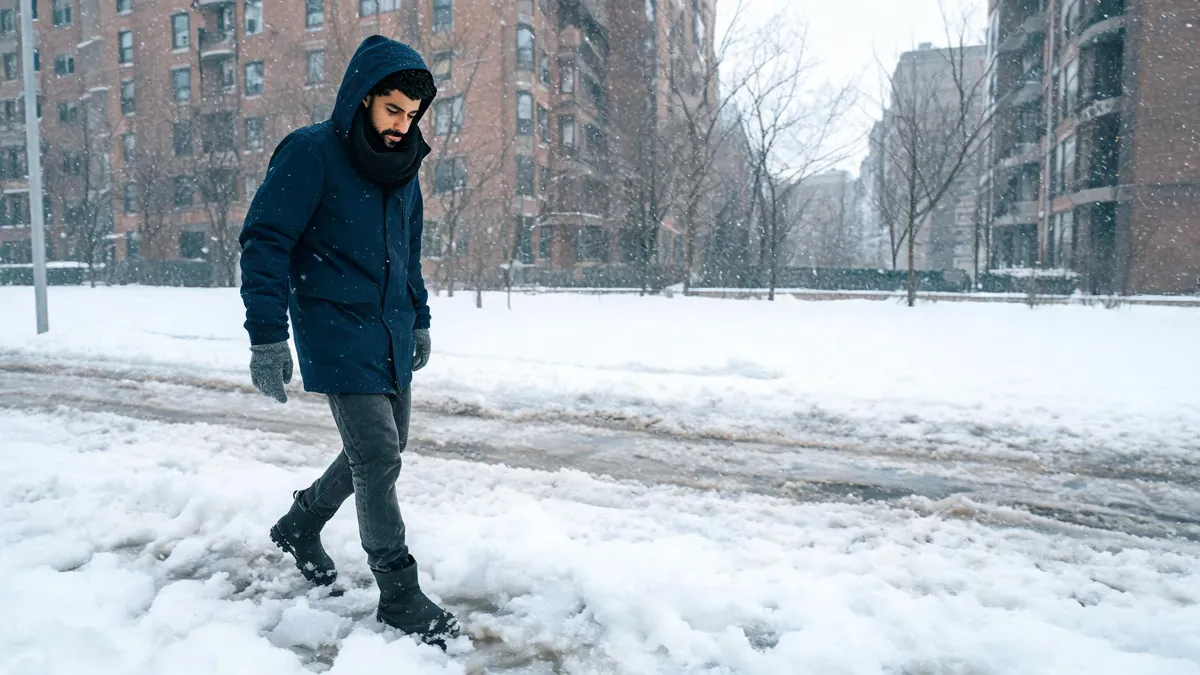
Snow that falls near freezing tends to be wet and heavy, and rain can freeze where it lands. Waterproofing beats extra warmth here. Pick a hooded parka with a waterproof or water-resistant shell and synthetic fill, waterproof boots with deep lugs, and pants that won't drag through slush (tuck them into the boots). Leave suede at home, and wipe road salt off leather boots with a damp cloth at night before it dries into white rings. A dry but gusty day needs a different fix: a windproof shell over your fleece and a neck gaiter you can pull up over your chin.
7. Standing outside for hours: games, markets and parades
A high school football game, an outdoor holiday market or a parade means two or three hours of standing still, and that feels far colder than walking. Dress from the bottom row of the table: thermal top and leggings, a fleece, a vest, the longest coat you own, insulated boots with thick wool socks, mittens and a hat that covers your ears. Put hand warmers in your pockets and bring a folded blanket for metal bleachers, which pull heat out of you through any pair of pants.
City trips are usually a mix of outfits 4 and 7: long walks broken up by warm museums, stores and subway stations. Our New York in December guide plans a whole trip around that. Going for a run at 30°F is its own calculation, since you warm up fast; what to wear running covers the cold-weather running layers.
Hats, Gloves and Socks: Cover What Gets Cold First
Hands, ears, neck and toes are the first places 30 degrees reaches, and covering them often helps more than a thicker coat would.
A knit beanie should cover your ears completely; wool or a fleece lining both work, and a hood on top handles the wind. For gloves, lined leather or knit styles are fine for a commute, while mittens are warmer for standing still because your fingers share the warmth. Touchscreen fingertips save you from pulling a glove off every few minutes.
At the neck, a wool scarf wrapped twice looks right with a work coat, and a fleece neck gaiter is better on windy days because it won't unravel. Socks should be merino or a wool blend, crew height or taller, since cotton ones soak up sweat and stay cold. Carry a tote or backpack with room for the hat, scarf and gloves once you're inside, so they make it home with you.
What to Skip When It's 30 Degrees Out
- Canvas sneakers and mesh trainers: wind goes straight through and wet sidewalks soak them.
- Smooth leather or plastic soles, which slide on frost and patchy ice.
- Cropped puffers for anything longer than a dash, since your lower back is exposed every time you reach or bend.
- A hoodie as your outer layer. Under a coat it's fine; on its own it blocks no wind at all.
- Sheer tights as the only thing under a skirt. Go fleece-lined or wool.
- An expedition parka for a two-minute walk to the car. You'll overheat in the car and the store, and the sweat makes the walk back colder.
Check the Wind, Then Get Dressed
At 30°F, two numbers decide the outfit: the wind speed and how long you'll be outside. Get those right and the coat, socks and hat follow. Late fall often brings 30-degree mornings that warm toward 40 by afternoon, so keep the winter coat and wear a mid layer you can take off. On the milder days after a cold snap, the jacket weather chart tells you how much coat you still need. Want tomorrow's outfit planned around the forecast, from clothes you already have? Try Klodsy and see what it suggests.
Related Articles
What to Wear to the Nutcracker: 12 Outfits, Matinee to Gala
What to wear to the Nutcracker: 12 outfits for women, men and kids, from matinee to opening night, plus the real dress code and what to do with your coat.
What to Wear to a Hockey Game: 12 Outfits for a Cold Arena
What to wear to a hockey game: 12 warm outfits for women and men, from first dates to suites and glass seats, plus how cold arenas get and how to layer.
What to Wear to a Football Game: 12 Looks for Cold and Rain
What to wear to a football game when it's cold or wet: 12 outfits for bleachers, tailgates, NFL seats and suites, plus layers, blankets and bag rules.
Frequently Asked Questions
Everything you need to know about this topic
It depends on the scale. 30°F is cold, just below freezing at about -1°C, while 30°C is hot, roughly 86°F, and calls for summer clothes.