
Ethnic Wear Ideas 2026: Modern Indian Outfit Guide
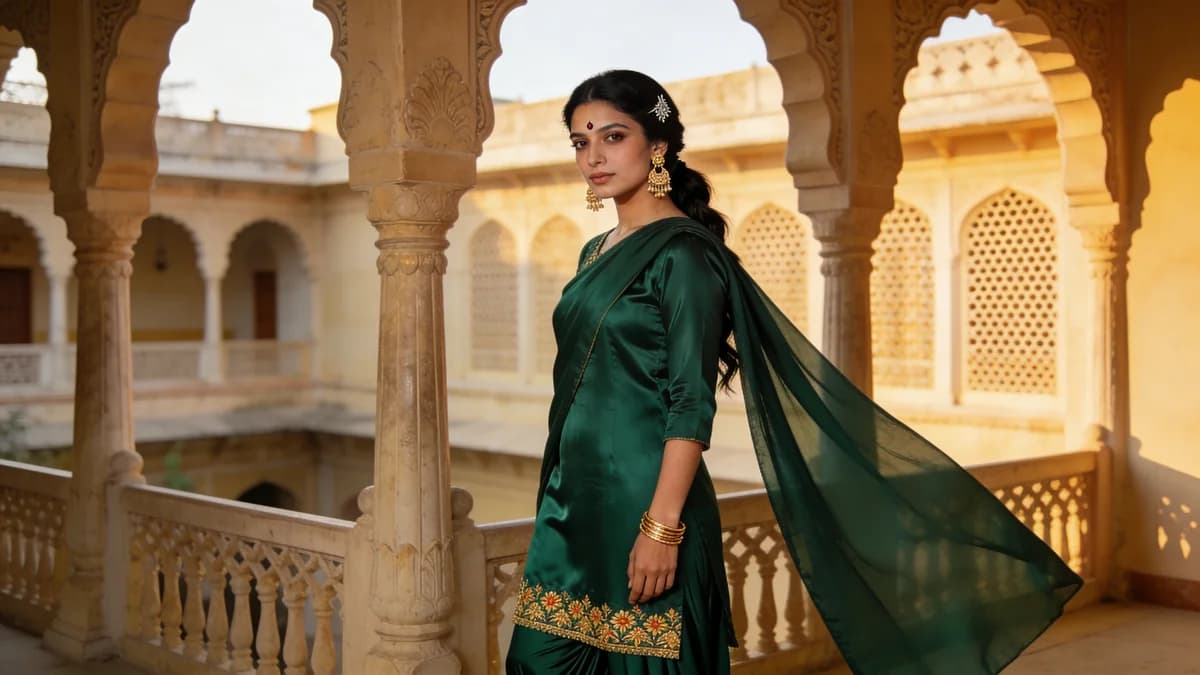
Ethnic Wear Ideas 2026: A Modern Guide to Indian Outfit Dressing
Ethnic wear is traditional clothing tied to a specific culture or region. In India that umbrella stretches from Banarasi sarees in Varanasi to phulkari dupattas in Punjab and kanjeevarams in Tamil Nadu, a vocabulary of fabrics, drapes, and embroideries that has quietly become global luxury. India has become one of the largest contributors to global apparel growth, and ethnic wear continues to lead the women's category, both in everyday closets and in premium retail.
What's changed in 2026 is the way Indian women wear it. The Fashion Design Council of India (FDCI) noted in its Spring/Summer 2026 showcase that "fusion is no longer the exception, it's the default mode for women under 35." A short kurti with denim, a saree with a crop blouse and sneakers, a lehenga skirt paired with a fitted T-shirt, these aren't experiments anymore. They're how Mumbai, Bangalore, and Delhi actually dress.
This guide breaks down the core pieces, the trends shaping 2026, festival-by-festival outfit ideas, and the styling logic behind ethnic wear that works for office, weddings, and everyday life.
"Indian craft is not a costume. It's a contemporary language. The new Indian woman wears her heritage with denim, with sneakers, with the world.", Tarun Tahiliani, couturier (Vogue India, March 2026)
If you're planning a big occasion, our wedding guest outfit guide covers global dress codes, while this article focuses on the Indian ethnic vocabulary specifically.
What Is Ethnic Wear? Definition & Categories
Ethnic wear, in the Indian context, is any garment whose silhouette and craft trace back to a specific regional tradition. The category splits roughly into three groups.
Drape garments include the saree (the unstitched six- to nine-yard drape worn across India in dozens of regional styles, from the Bengali aanchal to the Maharashtrian nauvari) and the lehenga-style ghagra. Drape garments are defined by movement and textile rather than tailoring.
Stitched garments cover the salwar kameez family, kurta, kurti, anarkali, sharara, gharara, churidar, palazzo, alongside the lehenga choli set. Stitched ethnic wear is where modern Indian fashion does most of its experimentation, because the structure invites pattern cutting and silhouette play.
Layering pieces include the dupatta (long stole), the bandhgala or Nehru jacket, and regional shawls like the Pashmina and Jamawar. These often do the heaviest styling work, transforming a plain kurta into festive wear or office-ready in minutes.
Harper's Bazaar India's April 2026 trend report grouped ethnic wear into four "moods" for the year, heritage purist, fluid fusion, modern minimal, and maximal couture. Most working women shift between the middle two, which is the territory this guide focuses on.
Ethnic Wear for Women: Core Pieces in 2026
Knowing the pieces is half the styling battle. Here's how the most-worn silhouettes sit in 2026, with notes on fit, fabric, and where to actually wear them.
Kurti
The kurti is the shorter cousin of the kurta, usually hip- or thigh-length, and the single most worn ethnic garment in urban India. In 2026, the kurti has shifted away from the boxy A-line that dominated 2018-2022 toward two clear silhouettes: the fitted, princess-seamed kurti with a back zip, and the loose, drop-shoulder kurti cut from a single rectangle. Both are pulled together with straight pants, narrow palazzos, or jeans. Brands like W for Woman and Biba have led the cotton-kurti category for years; in 2026 their bestseller charts skew toward block prints in sage, terracotta, and indigo.
A short kurti over slim jeans is now standard office wear in Bangalore IT campuses and Mumbai media offices alike. It reads as professional without being formal, comfortable through long workdays, and presentable enough for a same-day client meeting.
Kurta
The kurta runs longer than the kurti, knee-length to ankle-length, and tends to feel more occasion-ready. Anita Dongre's Spring 2026 line leaned heavily into chikankari kurtas in lavender and butter-yellow, paired with churidars and minimal jewelry. A long cotton kurta with palazzos handles everything from a temple visit to a daytime mehendi.
Fabric choice matters more than embroidery here. Cotton and mulmul for summer, chanderi for transitional weather, silk and tussar for festive moments. Avoid synthetic blends, they look cheap on camera and feel worse in Indian humidity.
Saree
The saree is the most photographed garment in Indian fashion, and 2026 has been kind to it. The pre-stitched saree (a draped saree fixed onto a base skirt) has gone from controversial shortcut to mainstream, Tarun Tahiliani's atelier reported a 60% jump in pre-stitched orders this year (FDCI, 2026). For everyday wear, cotton sarees from Kalakshetra, Chettinad, and Sambalpur are having a moment. For weddings and engagements, kanjeevarams, Banarasis, and Sabyasachi's signature ivory tissue sarees remain the gold standard.
Style note: the blouse is doing more work than the saree itself in 2026. Crop tops, corset blouses, and structured shirts are replacing the traditional matching blouse, especially in Delhi and Mumbai's wedding circuits.
Lehenga
The lehenga choli, full skirt, fitted blouse, dupatta, is wedding wear's heaviest hitter. Sabyasachi Mukherjee's 2026 collection pushed the silhouette toward lighter, more wearable weights (no small thing for guests sitting through six-hour ceremonies in 38-degree Delhi summers). Modern lehengas in 2026 sit in three weight classes: light cotton or chanderi for daytime functions, mid-weight silk for sangeets and engagements, and full bridal velvet or raw silk for the wedding itself.
A separates approach works well, buying a lehenga skirt and styling it with different blouses across the wedding season stretches the wardrobe budget significantly.
Sharara
The sharara, wide-flared trousers paired with a kurta and dupatta, has overtaken the gharara as the festive set of choice for 2026. The proportions are forgiving, the silhouette is dramatic, and the set photographs better than almost anything else in motion. Manish Malhotra's festive line and FabIndia's premium festive collection both leaned heavily on sharara sets in 2026, with mirror work, gota, and zardozi as the leading embellishments.
Sharara works for sangeets, mehendis, Eid functions, and Diwali parties. It's also the easiest set to dance in, which matters more than most style guides admit.
Anarkali
The Anarkali, a long, fitted-bodice kurta that flares dramatically from the waist, is having its quietest, most confident season in years. The 2026 Anarkali is shorter than the 2015 version (calf-length rather than ankle), often layered over churidars or cigarette pants. Vogue India's April 2026 cover featured an ivory chikankari Anarkali styled with white sneakers, a fair preview of where the silhouette is heading.
Anarkalis are ideal for office festive days (think Diwali office parties), small temple events, and formal lunches. They photograph slim and feel comfortable for long hours.
Salwar Suit
The salwar suit, kurta + salwar (loose pleated pants) + dupatta, is the workhorse of the ethnic wardrobe. Less photographed than the lehenga, more wearable than almost everything else. Cotton salwar suits dominate Indian summer wardrobes from Jaipur to Chennai because they're genuinely cool, easy to wash, and forgiving on long days.
Fabric and print do the heavy lifting. A solid cotton suit in navy or olive reads as professional; a block-printed suit in pinks and ochres reads as festive. Same silhouette, completely different occasion register.
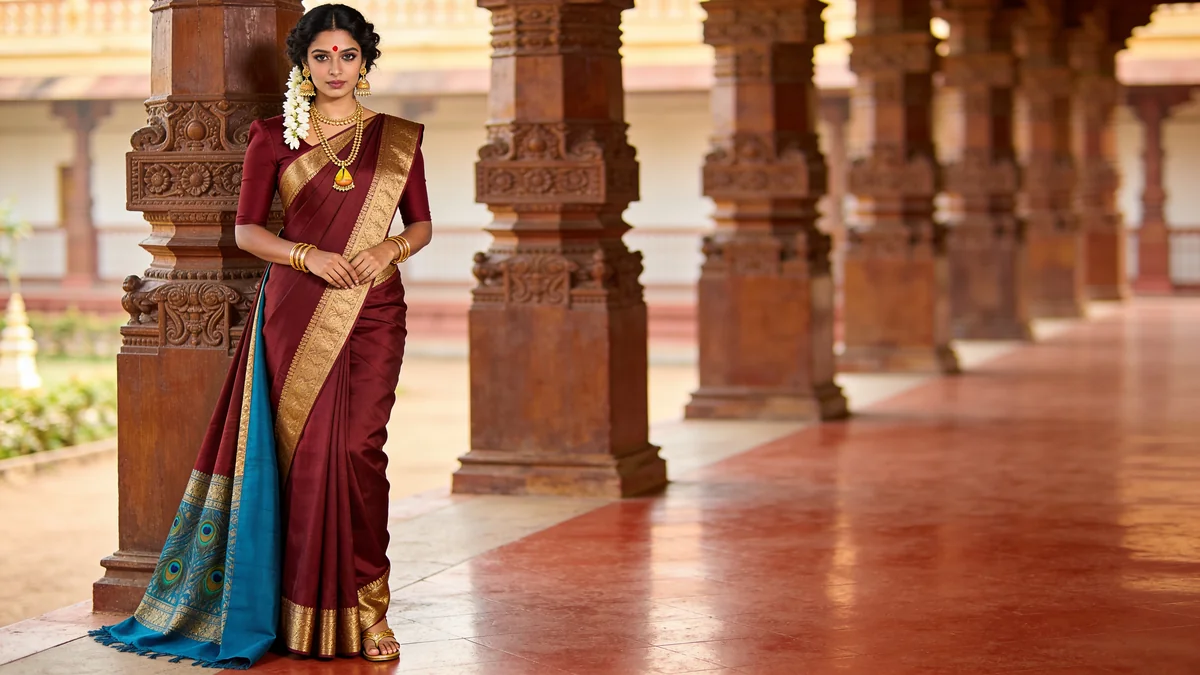
Modern & Fusion Ethnic Wear Trends 2026
Fusion ethnic wear is the biggest growth category in Indian fashion right now. The reason isn't rejection of tradition, it's that working women want one wardrobe that handles a Monday meeting, a Wednesday after-work dinner, and a Saturday family function without three full outfit changes.
A few trends defining 2026:
The dupatta as belt. Designers across FDCI's Spring 2026 showcase used the dupatta as a structural element, belted over kurtas, draped diagonally across blazers, knotted into halter tops. It's an instant traditional cue without a full ethnic look.
Crop kurta + skirt. Short, structured kurtas paired with full skirts (lehenga or otherwise) replaced the matching set in 2026 wedding-guest dressing. The proportion is more flattering, the styling is more flexible, and you can re-wear the pieces separately.
Sneakers with sarees. What started as a runway gimmick is now a Mumbai weekend brunch standard. White minimal sneakers under a cotton saree or lehenga reads as deliberate, not rebellious, particularly in 25-35 demographics.
Old-money jewel tones. Sabyasachi's 2026 palette of old rose, emerald, ivory, and oxblood replaced the millennial pastels that dominated 2022-2024. Heavier, richer, more cinematic.
Handloom revival. Cotton handlooms from West Bengal, Andhra, and Maharashtra are outpacing synthetic festive wear in premium retail. FabIndia's handloom division reported its strongest year in a decade (FDCI, 2026).
Ethnic Wear for Festivals: Diwali, Holi, Eid, Karwa Chauth
India runs on festivals, and each one has its own outfit logic. Getting the register right matters more than spending more.
Diwali (October-November) is the year's biggest dressing moment. Lehengas, sharara sets, and silk sarees in jewel tones lead. Mumbai and Delhi wedding-circuit families typically have multiple Diwali functions, so a separates-based plan (one lehenga skirt, two blouses, two dupattas) outperforms one heavy lehenga. Old rose, emerald, ivory, and oxblood are the dominant palette for 2026. Skip white and black, both still read as inauspicious to elder relatives in many Indian households.
Holi (March) is the opposite, light cottons, white or off-white kurtas, and clothes you don't mind ruining. Linen shirts with palazzos, plain white salwar suits with a simple dupatta, or a kurta you've already loved into retirement. Save the embellishment for later.
Eid (varying date) in India is a bigger fashion moment than most non-Muslim Indians realize. Light pastels, mint, peach, lilac, ivory, paired with delicate zardozi or chikankari embroidery. Anarkalis, sharara sets, and gharara suits dominate Eid dressing in Hyderabad, Lucknow, and Old Delhi.
Karwa Chauth (October-November) is a traditional Hindu women's festival where red is the dominant color. Red lehengas, red sarees with gold borders, red bangles, and red bindi are the convention. Modern interpretations lean toward maroon, oxblood, and rani pink rather than the bright crimson of older generations.
Navratri (October) runs nine nights, each with a different color theme decided by community calendars. Cotton chaniya cholis (Gujarati lehenga sets) dominate, especially in Gujarat, Mumbai, and Bangalore garba circles. Comfort and dance-ability matter more than embellishment.
Ganesh Chaturthi (August-September) in Mumbai and Pune calls for traditional Maharashtrian dressing, nauvari sarees in yellow and green, bandhgalas for men, simple cotton kurtas for daytime visits to pandals.
Visualizing how a particular set will photograph before the morning of the event saves the day-of panic; tools like Klodsy can help with that virtual try-on step before you commit.
Office Ethnic Wear: Professional Yet Cultural
A meaningful share of urban Indian women now wear ethnic to work, especially across tier-1 cities where fusion ethnic has become a daily-office default. The reason is simple: cotton kurtas with palazzos are cooler, more comfortable, and more affordable than the equivalent western work wardrobe.
A few rules keep office ethnic looking professional:
Stick to muted tones, sage, navy, ivory, terracotta, mustard, charcoal. Skip heavy mirror work and zardozi for daily wear; save embellishment for festive Fridays.
Choose breathable fabrics. Cotton, linen-blends, and chanderi look polished and survive Indian summer commutes. Polyester and synthetic georgette read as cheap and feel worse.
Keep the dupatta minimal or skip it. A long kurta with palazzos doesn't need a dupatta; it reads cleaner without one. If you wear a dupatta, drape it on one shoulder, flowing free reads casual.
Footwear is where most office ethnic outfits fail. Skip embellished juttis for daily wear. Choose clean leather flats, kolhapuri-inspired sandals in muted tones, or minimal loafers. Save the bling juttis for weddings.
Layering rescues over-air-conditioned offices. A long cotton waistcoat or short bandhgali jacket over a kurta reads polished and adds a useful layer for cold conference rooms.
Ethnic Wear vs Western Wear: When to Choose Which
The question of ethnic versus western used to imply a choice. In 2026 it's more often a calibration. Here's the rough decision logic that most stylists in Mumbai and Delhi use:
| Occasion | Lean Ethnic | Lean Western | Lean Fusion |
|---|---|---|---|
| Wedding (guest) | Yes | No | If close family event only |
| Mehendi / Sangeet | Yes (lighter) | No | Crop kurta + lehenga skirt works |
| Office (daily) | Cotton kurta sets | Tailored blouses | Kurti + jeans or trousers |
| Office (festive) | Anarkali, silk kurta | No | Embellished kurti + cigarette pants |
| Diwali party | Lehenga, sharara | No | Crop kurta + lehenga skirt |
| Coffee / brunch | Often too dressy | Yes | Short kurti + jeans + sneakers |
| Travel | Comfortable kurta sets | Yes | Long kurta + leggings |
| Family puja | Yes | No | Simple cotton kurta |
| Date night | Saree if special | Often western | Modern saree + crop blouse |
The emerging consensus across Vogue India, Harper's Bazaar India, and the FDCI's Spring 2026 commentary is that ethnic wear has become India's daytime and event wear, while western remains its casual-evening default. Fusion fills the gap where neither feels right alone.
Styling Tips: Accessories, Fabrics, Colors
Five tips that consistently separate good ethnic styling from generic ethnic styling:
Match the metal to the embroidery. Gold thread embroidery (zardozi) pairs with gold jewelry; silver thread embroidery (gota) pairs with silver or oxidized jewelry. Mixing metals reads sloppy in traditional settings.
Statement earrings, restrained neck. Indian ethnic looks generally pick one statement jewelry piece. Heavy chandelier earrings with a deep V-neck blouse and bare neck reads more sophisticated than a full set on the same outfit.
Fabric communicates season. Cotton and linen for summer (March-June). Chanderi and cotton-silk for monsoon (June-September). Silks, velvets, and tissue for winter wedding season (November-February). Wearing velvet in May reads as sweaty and out of season.
Color palettes signal occasion. Pastels for daytime functions, jewel tones for evening events, ivories and gold for religious moments. Neon and electric brights have largely faded out of the premium wedding circuit in 2026.
Bag size matters. A small embellished potli or a structured clutch elevates ethnic wear; an oversized work tote drags it down. For office ethnic, a clean leather laptop bag in tan or charcoal works better than ethnic-themed totes.
If you need help building outfit combinations from your existing wardrobe, including ethnic pieces, our outfit inspiration archive walks through the formulas in detail.
Common Mistakes to Avoid
A few patterns repeat across closet consultations and they're worth naming.
Buying matchy-matchy sets in synthetic fabric. The matching dupatta-kurta-pants set in polyester is the cheapest-looking corner of Indian ethnic retail. Spend the same budget on a single quality cotton kurta and a contrast dupatta and the look improves immediately.
Over-embellishing daily wear. Heavy mirror work and gota patti belong on festive sets, not Tuesday office wear. The reverse mistake, wearing a plain cotton kurta to a sangeet, also flattens the occasion. Match the embellishment to the event register.
Ignoring fit. Indian ethnic wear is unforgiving on fit. A well-fitted ₹2,500 cotton kurta from Biba reads better than an ill-fitting ₹15,000 designer piece. Get the side seams adjusted; alterations are inexpensive everywhere in India.
Synthetic in summer. Polyester saree blouses, synthetic crepe kurtas, and georgette dupattas read as cheap and trap heat in 35-degree Mumbai humidity. Cotton, mulmul, linen, and chanderi handle Indian summers far better.
Over-accessorizing. The Indian wedding-guest impulse is to add jewelry until every surface is covered. The rule that works: pick one statement piece (earrings, necklace, or bangles) and keep the rest minimal.
Skipping the trial run. Wedding-day, festival-day, and engagement-day are not the time to discover that the lehenga doesn't sit right or the saree pleats won't hold. A pre-event try-on, including a virtual one if needed, saves the day-of panic.
Final Thought + CTA
Ethnic wear in 2026 is more confident than it has ever been. Indian women aren't dressing around their heritage; they're dressing through it, mixing kurta with denim, saree with sneakers, lehenga with crop tops, and asking the entire global fashion industry to keep up. The one rule that hasn't changed is fit. The one rule that has changed is everything else.
If you'd like to test ethnic outfit combinations from your own wardrobe before stepping out, Try Klodsy, the virtual try-on lets you see exactly how a kurta, saree, or lehenga will sit on you before you commit, which matters more in India than almost anywhere else, where online apparel return rates remain notably high.
For more outfit guidance, visit our casual outfit ideas guide or the Easter and festival dressing post for cross-cultural festive ideas.
Frequently Asked Questions
Everything you need to know about this topic
Ethnic wear refers to traditional clothing rooted in a culture or region. In India, it covers garments like sarees, lehengas, salwar kameez, kurtas, kurtis, sharara sets, and anarkalis, often crafted from handloom fabrics and embellished with regional embroidery.