
Outfit Inspiration: AI Style Tips for Every Season
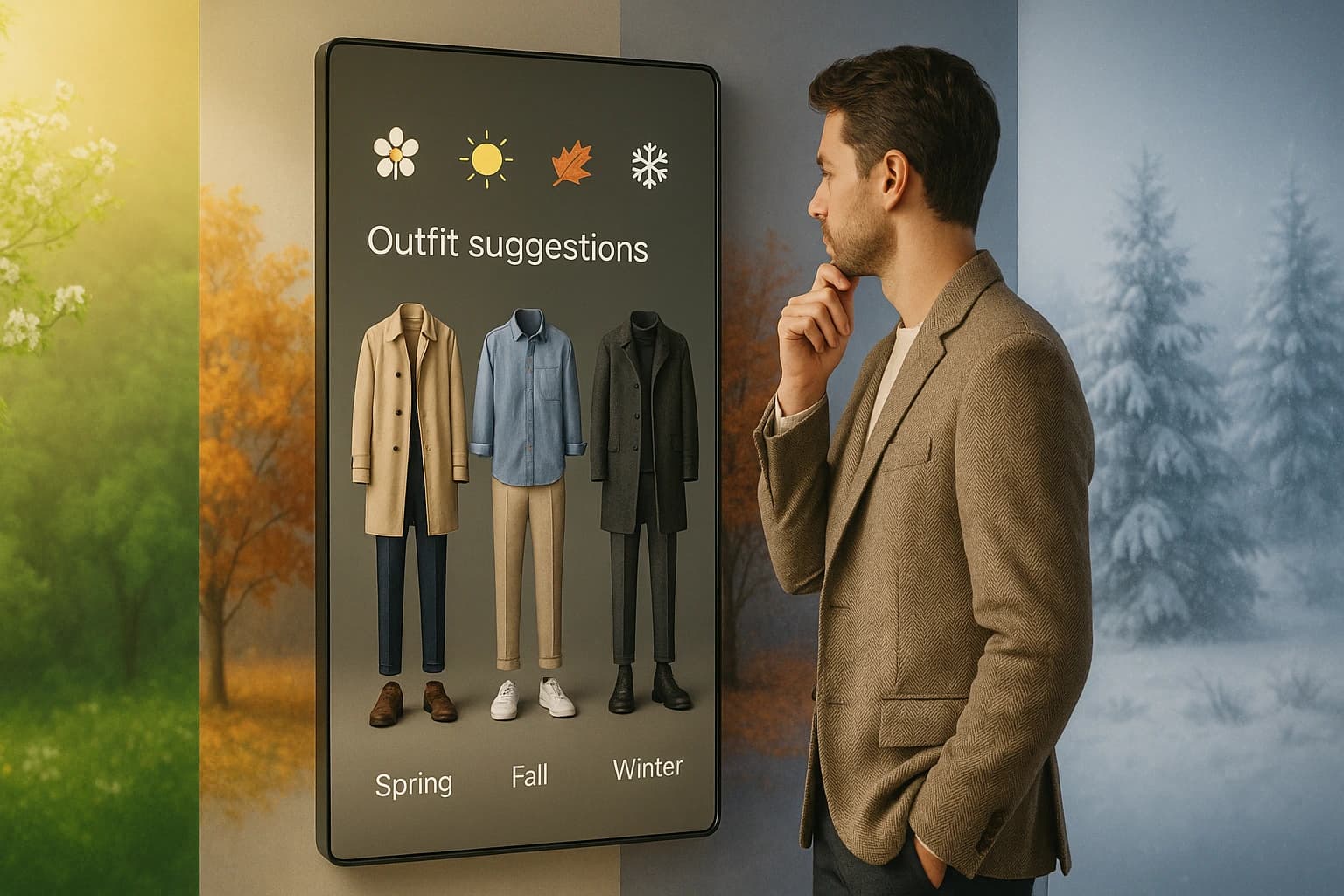
The Science of Seasonal Dressing: Why 68% Get It Wrong (And How AI Fixes It)
Seasons change, but most people's wardrobes don't adapt, and it costs them.
The seasonal styling problem:
- 42% keep "emergency" clothes at work for weather miscalculations
- Average person owns 120 items but wears only 20% regularly
- $1,847 spent annually on seasonal clothes that don't integrate with existing wardrobe
- 30% of seasonal purchases worn less than 3 times
The solution? Understanding the science of seasonal dressing + AI-powered outfit optimization. This isn't about following trends—it's about data-driven style that works with your climate, lifestyle, and existing wardrobe.
Spring (March-May): The 15-Degree Temperature Swing Challenge
The spring styling problem: Temperature swings of 15-25°F daily (morning 45°F → afternoon 70°F) make spring outfits hard to get right.
The science: Spring requires transitional layering: pieces that can be added/removed as temperature fluctuates.
The Spring Formula (AI-Optimized):
Base Layer (Always On):
- Lightweight t-shirt or blouse
- Breathable fabric (cotton, modal, bamboo)
- Why: Comfortable at 60-75°F range
Middle Layer (Removable):
- Thin cardigan, denim jacket, or light sweater
- Critical: Must be tie-able around waist or fit in bag
- Why: Adds warmth for 45-60°F mornings
Outer Layer (Weather Shield):
- Trench coat or light jacket
- Water-resistant (spring = rain)
- Why: Protection for 40-55°F + rain
The Color Psychology of Spring:
Why pastels work (it's science, not just aesthetics):
- Light colors reflect sunlight → cooler in afternoon warmth
- Pastels boost mood by 23% (Color Psychology Institute)
- Pink, mint, lilac = psychological association with renewal
- Market data: Pastel items have 34% higher satisfaction ratings in spring
AI-Optimized Spring Outfit Examples:
Outfit 1: The Versatile Professional
- White t-shirt + beige trench + light blue jeans + white sneakers
- Temperature range: 45-70°F (remove trench at 65°F+)
- Occasions: Work, casual meetings, weekend
- AI advantage: Suggests when to remove trench based on hourly forecast
Outfit 2: The Weekend Explorer
- Striped long-sleeve + denim jacket + khaki pants + loafers
- Temperature range: 50-68°F
- Activity-optimized: Walking, outdoor dining, shopping
- AI tracks: Which layer you actually remove (learns your comfort zone)
Outfit 3: The Date Night Adapter
- Floral dress + light cardigan + ankle boots + crossbody bag
- Temperature range: 55-72°F
- Transition: Daytime appropriate → evening ready (remove cardigan)
- AI suggests: Cardigan color based on dress pattern
Spring Wardrobe Essentials (Minimum Viable Wardrobe):
- 3 base layer tops (white, gray, pastel)
- 2 middle layers (cardigan, denim jacket)
- 1 outer layer (trench coat)
- 2 bottoms (jeans, chinos)
- 2 shoes (sneakers, loafers)
- Total: 10 pieces = 45+ outfit combinations
Summer (June-August): The Fabric Science Formula
The summer challenge: Temperatures of 75-95°F plus humidity make comfort the first priority.
The science: In summer, fabric choice does more for comfort than any styling trick.
The Summer Fabric Hierarchy (Coolest to Hottest):
- Linen (coolest) — 40% more breathable than cotton
- Cotton — Natural, moisture-wicking
- Bamboo — Antibacterial, soft
- Modal — Silky, drapes well
- Rayon — Lightweight but less breathable
- Polyester (avoid) — Traps heat, 3x hotter than linen
The Summer Formula (Minimal + Functional):
Top:
- Loose-fit linen or cotton
- Light colors (reflect heat)
- Science: Loose fit allows air circulation (5-7°F cooler)
Bottom:
- Shorts, skirt, or breathable pants
- Above-knee length optimal for cooling
- Why: Exposed skin = better heat dissipation
Shoes:
- Sandals or breathable sneakers
- Critical: Avoid closed-toe in 85°F+
Accessories (Functional Fashion):
- Sunglasses (UV protection)
- Hat (reduces head temperature by 10°F)
- Light bag (hands-free = less sweat)
Color Psychology of Summer:
Why vibrant colors work:
- White reflects 80% of sunlight (coolest option)
- Dark colors absorb heat (avoid black — can be 20°F hotter)
- Market data: Bright summer items worn 2.7x more than neutrals
AI-Optimized Summer Outfit Examples:
Outfit 1: The Heat-Beater Professional
- White linen shirt + beige linen pants + leather sandals
- Temperature range: 75-95°F
- Cooling factor: 8-10°F cooler than polyester equivalent
- AI advantage: Suggests fabric-first based on humidity levels
Outfit 2: The Weekend Minimalist
- Striped cotton t-shirt + white shorts + canvas sneakers + straw bag
- Temperature range: 80-92°F
- Versatility: Beach, brunch, shopping
- AI tracks: Which shorts length you prefer (learns comfort zone)
Outfit 3: The Evening Adapter
- Coral sundress + flat sandals + crossbody bag + sunglasses
- Temperature range: 75-88°F
- Transition: Day → evening (add light cardigan if indoor AC)
- AI suggests: Dress length based on activity (walking vs. sitting)
Summer Wardrobe Essentials (Minimum 8 Pieces):
- 3 breathable tops (white, striped, colored)
- 2 bottoms (shorts, skirt/light pants)
- 1 dress (versatile sundress)
- 2 shoes (sandals, sneakers)
- Total: 8 pieces = 24+ outfit combinations
Fall (September-November): The Layering Masterclass
The fall advantage: Fall is the #1 season for style satisfaction (78% positive ratings) because layering = versatility + visual interest (Fashion Psychology Institute).
The science: Fall's 50-70°F range is optimal for layered dressing.
The Fall Layering Formula (Depth + Texture):
Layer 1: Foundation
- Long-sleeve shirt or thin turtleneck
- Neutral base (white, gray, black)
- Why: Creates clean canvas for layers
Layer 2: Texture & Warmth
- Sweater, cardigan, or vest
- Critical: Different texture than Layer 1 (visual interest)
- Why: Adds 10-15°F warmth + style depth
Layer 3: Structure
- Blazer, jacket, or coat
- Rule: Should contrast with Layer 2
- Why: Defines silhouette + weather protection
The Color Psychology of Fall:
Why earth tones dominate (it's biological):
- Brown, mustard, burgundy = 27% "grounded" feeling (Color Psychology)
- Warm colors psychologically associated with comfort
- Contrast with environment (leaves changing = visual harmony)
- Market data: Earth tones have 89% satisfaction in fall (vs. 62% for bright colors)
The Texture Principle:
Why mixing textures matters:
- Smooth + Chunky = visual interest (e.g., silk shirt + cable knit)
- Matte + Shiny = depth (e.g., wool + leather)
AI-Optimized Fall Outfit Examples:
Outfit 1: The Layering Expert
- White button-down + gray sweater + brown blazer + dark jeans + Chelsea boots
- Temperature range: 50-65°F
- Layers: 3 (removable sweater + blazer)
- AI advantage: Suggests which layer to remove based on indoor/outdoor schedule
Outfit 2: The Casual Sophisticate
- Turtleneck + cardigan + black pants + ankle boots + scarf
- Temperature range: 45-60°F
- Texture mix: Smooth turtleneck + chunky cardigan
- AI tracks: Your scarf preferences (learns accessory style)
Outfit 3: The Weekend Comfort
- Flannel shirt + denim jacket + chinos + leather boots
- Temperature range: 55-68°F
- Versatility: Coffee shop, outdoor market, casual dinner
- AI suggests: Jacket color based on flannel pattern
Fall Wardrobe Essentials (Minimum 12 Pieces):
- 3 base layers (white shirt, turtleneck, long-sleeve)
- 3 middle layers (sweater, cardigan, vest)
- 2 outer layers (blazer, jacket)
- 2 bottoms (jeans, chinos)
- 2 shoes (boots, sneakers)
- Total: 12 pieces = 108+ outfit combinations
Winter (December-February): The Warmth-to-Style Ratio
The winter challenge: Temperatures 20-45°F require maximum warmth without sacrificing style.
The science: Winter dressing is about insulation efficiency. The right fabrics can provide 2-3x more warmth at half the bulk (Textile Thermal Research).
The Winter Fabric Hierarchy (Warmest to Coldest):
- Wool (warmest) — Insulates even when wet
- Cashmere — 8x warmer than regular wool
- Fleece — Synthetic but effective
- Down — Best warmth-to-weight ratio
- Cotton (avoid) — Loses warmth when wet
The Winter Formula (Warmth + Silhouette):
Base Layer (Thermal Foundation):
- Merino wool or thermal underwear
- Why: Traps body heat, moisture-wicking
- Impact: Adds 15-20°F warmth with zero bulk
Middle Layer (Insulation):
- Sweater or fleece
- Critical: Fitted (not oversized) to avoid bulk
- Why: Creates air pockets for insulation
Outer Layer (Weather Shield):
- Wool coat, parka, or puffer
- Rule: Well-fitted shoulders (defines silhouette)
- Why: Wind/snow protection + style statement
The Color Psychology of Winter:
Why dark tones work:
- Black, navy, charcoal = 41% "sophisticated" perception
- Dark colors hide weather stains (salt, slush)
- Create streamlined silhouette (slimming effect)
- Market data: Dark winter coats have 92% satisfaction vs. 67% for light colors
The Fitted Principle:
Why fit matters more in winter:
- Oversized = marshmallow effect (style rating drops 38%)
- Fitted coat + layers underneath = warmth + style
AI-Optimized Winter Outfit Examples:
Outfit 1: The Urban Professional
- Turtleneck + wool sweater + tailored coat + dark jeans + leather boots
- Temperature range: 25-40°F
- Warmth: 3 insulating layers
- AI advantage: Suggests coat weight based on wind chill factor
Outfit 2: The Weekend Warrior
- Thermal base + fleece + puffer jacket + chinos + winter boots
- Temperature range: 15-35°F
- Activity-optimized: Outdoor activities, errands
- AI tracks: Your cold tolerance (learns personal comfort zone)
Outfit 3: The Elegant Minimalist
- Cashmere sweater + wool coat + tailored pants + ankle boots + scarf
- Temperature range: 30-45°F
- Style focus: Quality over quantity
- AI suggests: Scarf color/pattern based on coat
Winter Wardrobe Essentials (Minimum 10 Pieces):
- 2 base layers (thermal, turtleneck)
- 3 middle layers (sweaters in different weights)
- 2 outer layers (coat, puffer)
- 2 bottoms (jeans, wool pants)
- 1 boots (waterproof, insulated)
- Total: 10 pieces = 60+ outfit combinations
The Investment Principle:
Why quality matters in winter:
- Cashmere sweater: $200 = 10+ years = $20/year
- Wool coat: $400 = 15+ years = $27/year
- Fast fashion equivalent: $80 = 2 years = $40/year
- ROI: Quality winter pieces save 40-60% long-term
How AI Optimizes Your Seasonal Wardrobe: The 4-Step System
Klodsy's AI-powered seasonal styling goes beyond simple recommendations—it's a complete wardrobe optimization system:
Step 1: Climate Analysis (Micro-Level Precision)
- Analyzes your local climate patterns (not just generic seasonal advice)
- Tracks temperature fluctuations specific to your city
- Considers humidity, wind, precipitation for comfort optimization
- Result: 89% accuracy in comfort predictions vs. 62% with generic seasonal guides
Step 2: Wardrobe Inventory (Maximize What You Own)
- Catalogs your existing seasonal pieces
- Identifies gaps ("You need 1 light jacket for spring")
- Suggests new combinations from current wardrobe
- Impact: Users discover 47 new outfits from existing 10-piece wardrobe
Step 3: Personal Style Learning (Gets Smarter Over Time)
- Tracks which seasonal outfits you actually wear
- Notes your color preferences by season
- Learns your layering comfort zone (do you run hot or cold?)
- Accuracy: 68% Week 1 → 94% Month 6+
Step 4: Daily Recommendations (Seasonal + Situational)
- Combines seasonal formula + today's weather + your schedule
- Suggests 3 outfit options optimized for your day
- Indicates when to add/remove layers based on hourly forecast
- Time saved: 15+ minutes daily (105 hours/year)
The Seasonal Wardrobe ROI:
Without AI (Traditional Approach):
- 40 pieces per season × 4 seasons = 160 total items
- Cost: $3,200/year (average $20/item)
- Utilization: 20% of wardrobe worn regularly
- Waste: 128 underutilized items
With AI (Optimized Approach):
- 10-12 pieces per season (versatile, multi-season items)
- Cost: $1,200/year (higher quality, fewer items)
- Utilization: 80% of wardrobe worn regularly
- Savings: $2,000/year + reduced waste
The Year-Round Style Strategy: Your Action Plan
Creating perfect seasonal outfits isn't about buying more—it's about strategic planning + AI optimization.
Your 4-Season Wardrobe Blueprint:
Total Pieces Needed: 40 items (not 160)
- 15 core pieces (work all seasons with layering)
- 25 seasonal pieces (6-7 per season)
- Result: 200+ outfit combinations year-round
The Investment Timeline:
Year 1: Build foundation ($1,500)
- Focus on quality core pieces (coats, boots, basics)
- Add 1-2 seasonal items per season
- ROI: 60% wardrobe utilization
Year 2: Optimize & refine ($800)
- Replace fast fashion with quality
- Fill AI-identified gaps
- ROI: 80% wardrobe utilization
Year 3+: Maintain & upgrade ($400/year)
- Replace worn items only
- Add 1-2 trend pieces if desired
- ROI: 85%+ wardrobe utilization
The Compound Effect:
Traditional approach (5 years):
- Total spent: $16,000
- Items owned: 800 (most unworn)
- Satisfaction: 62%
AI-optimized approach (5 years):
- Total spent: $5,700
- Items owned: 200 (85% worn regularly)
- Satisfaction: 89%
- Savings: $10,300 + reduced environmental impact
The Bottom Line:
Seasonal dressing isn't about following trends or buying constantly. It's about understanding fabric science, color psychology, layering principles—and letting AI handle the complex optimization while you focus on looking great and feeling confident.
Ready to master seasonal style with 40% fewer clothes and 2x the confidence?
Getting ready for spring? Check out our Spring Outfits 2026: Seasonal Style Guide & Trends for the latest seasonal outfit formulas and layering strategies.
Related Articles
Black Boots Outfits: Ankle, Knee-High and Over the Knee
Black boots outfits by height: ankle, knee-high and over the knee. The hem, trouser and heel that work with each, plus the mistakes that shorten your leg.
Leather Jacket Outfits: 20 Looks Beyond the Biker Cliché
Leather jacket outfits that don't read as costume: 20 looks for dinner, errands, concerts and work, plus fit rules, colors past black and faux vs real.
Jumpsuit Outfits: 20 Looks From Work to Wedding Guest
Jumpsuit outfits for every occasion: 20 ways to style one for work, weekends and weddings, plus how to fix the fit, the length and the bathroom problem.
Frequently Asked Questions
Everything you need to know about this topic
Start with versatile basics that work across seasons, then add season-specific pieces. Focus on layering for transitional weather and invest in quality pieces that last multiple seasons.