
Lehenga for Wedding 2026: Bride and Guest Guide
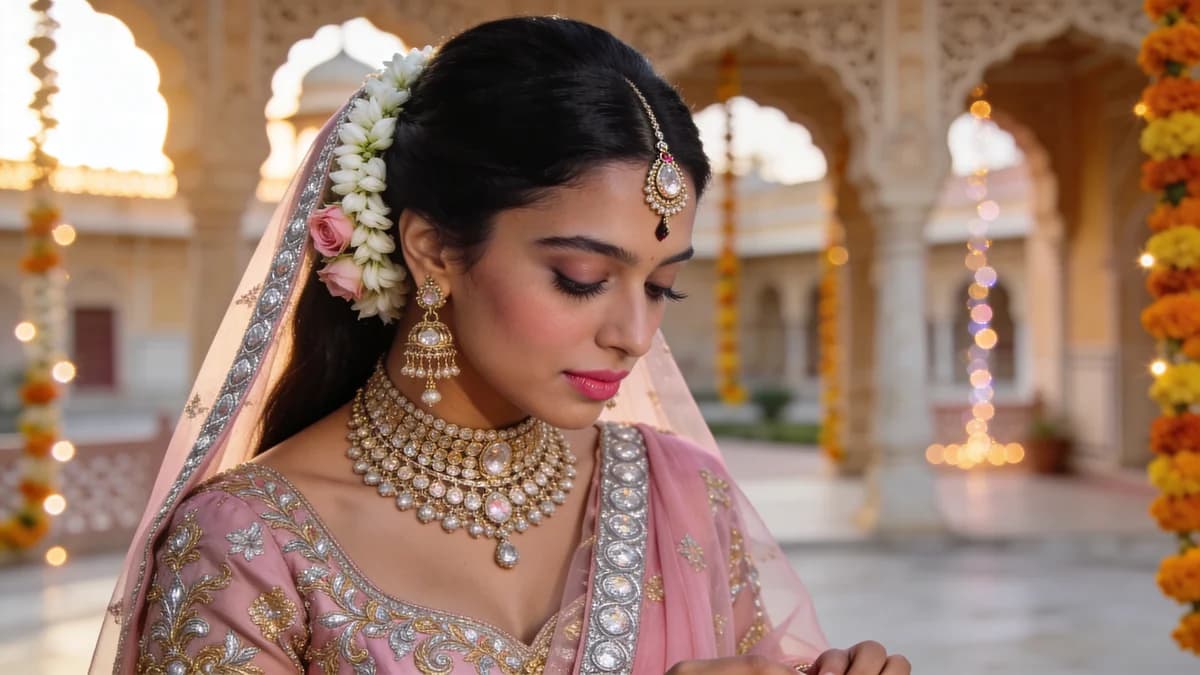
Lehenga for Wedding 2026: A Complete Bride & Guest Style Guide
The lehenga has quietly become India's most photographed wedding garment. According to the Fashion Design Council of India's Spring/Summer 2026 showcase, lehenga sales across premium retail grew 28% year-on-year, outpacing every other ethnic category. For brides, guests, sangeet outfits, engagement looks, and the reception, choosing the right lehenga for wedding season is now a multi-event decision rather than a single-piece purchase.
This guide covers the full vocabulary: how brides are picking their wedding-day lehenga in 2026, what guests should and shouldn't wear, color trends, fabric weights, dupatta draping, and the styling logic that separates a forgettable look from a photographed-into-the-album one.
If you're unsure about wedding dress codes more broadly, our wedding guest outfit guide covers global etiquette. For ethnic-wear context beyond just lehengas, see our ethnic wear ideas 2026 post.
Lehenga for Wedding: Quick Guide
A few quick takeaways before the deep dive.
- Brides in 2026 are picking lighter lehengas, Sabyasachi's atelier reported a noticeable shift toward raw silk and tissue over heavy velvet (Vogue India, March 2026).
- The leading bridal palette: oxblood, ivory, dusty pink, emerald, and old rose. Bright crimson is fading.
- Guests should avoid red, white, and black. Pastels for daytime functions, jewel tones for evening receptions.
- Separates win the wedding season. One lehenga skirt + two blouses + two dupattas reads as three different outfits.
- Lightweight is the single biggest trend. Manish Malhotra's 2026 line dropped average lehenga weight by roughly 30% versus 2022.
- The dupatta is doing more styling work than the skirt itself this year.
Bridal Lehenga: Choosing Your Wedding Day Lehenga
The bridal lehenga is the most expensive single garment most Indian women will ever buy, and 2026 has been a year of recalibration around what that piece actually needs to do. Sabyasachi Mukherjee, whose ivory tissue lehenga remains the most copied bridal silhouette in India, told Brides Today India that "the modern bride wants weight in meaning, not in fabric, she wants to walk, sit, hug her family, and dance for six hours, not survive the night in armor."
That shift shows up in three concrete decisions brides are making this year.
Color: The 2026 Bridal Palette
Bright crimson, the default Indian bridal red for decades, is no longer the only conversation. Sabyasachi's 2026 lookbook leaned heavily into oxblood, old rose, and ivory. Manish Malhotra introduced emerald and dusty pink as bridal colors for his 2026 couture week showcase. Tarun Tahiliani's signature pre-stitched ivory tissue lehenga continues to dominate Christian, intercultural, and modern Hindu weddings.
A few defining 2026 brides:
- Classic red bride. Banarasi or velvet lehenga in maroon, oxblood, or rani pink with heavy gold zardozi. Still the dominant choice in North Indian weddings, but the red is darker and richer than 2018-2022.
- Ivory bride. Sabyasachi or Tarun Tahiliani-style ivory tissue or raw silk lehenga with gold thread work. Dominant for daytime weddings, intercultural ceremonies, and Christian wedding receptions.
- Pastel bride. Anushree Reddy, Mahima Mahajan, and Anita Dongre's bridal lines lead this category, dusty pink, mint, peach, and pistachio lehengas with delicate floral embroidery.
- Jewel-tone bride. Emerald green, sapphire blue, oxblood. A growing minority among Mumbai and Bangalore brides who want photographs that don't disappear into a sea of red.
Fabric & Embroidery
Fabric carries the lehenga's actual presence. The 2026 hierarchy, in order of formality:
- Velvet: the heaviest, most traditional bridal fabric. Best for winter weddings (November-February) in Delhi, Lucknow, Jaipur. Beautiful in photos, but punishing through long ceremonies in warmer cities.
- Raw silk and tussar: mid-weight, structured, takes embroidery beautifully. The Sabyasachi go-to.
- Tissue and organza: lighter, more fluid, ideal for daytime weddings and Christian-Hindu ceremonies. Tarun Tahiliani's signature.
- Net with embroidery base: lighter weight, photographs as full and dramatic without the heat penalty.
- Chanderi and silk-cotton: for daytime functions only; not main wedding day.
Embroidery types matter as much as fabric:
- Zardozi: gold or silver thread work. The most prestigious wedding embroidery.
- Gota patti: Rajasthani metallic ribbon work. Classic for Jaipur and Delhi weddings.
- Aari and zari: fine needle work, usually floral.
- Mirror and shisha: Gujarati/Rajasthani mirror work, increasingly used in destination weddings.
- Chikankari: delicate Lucknowi white-on-color thread work, lighter, ideal for daytime.
Where Brides Are Shopping in 2026
Couture pricing has split into clear tiers:
| Tier | Range (INR) | Examples |
|---|---|---|
| Couture | 4-25 lakh+ | Sabyasachi, Manish Malhotra, Tarun Tahiliani, JJ Valaya |
| Premium designer | 1-4 lakh | Anita Dongre, Anushree Reddy, Mahima Mahajan, Ridhi Mehra |
| Multi-designer retail | 80k-3 lakh | Aza Fashions, Pernia's Pop-Up Shop, Ogaan |
| Accessible designer | 30k-80k | Anita Dongre Grassroot, FabIndia premium, Biba Studio |
| Mid-market | 15k-40k | KALKI Fashion, Indya, Lashkaraa |
A growing number of 2026 brides are also renting bridal lehengas through services like Flyrobe and Rent It Bae for the engagement and reception, saving the couture budget for the wedding day itself.
Lehenga for Wedding Guest: Etiquette & Style
The guest lehenga is where most styling mistakes happen, because guests often try to match the wedding's intensity instead of complementing it. The simple rule: do not outshine the bride, and do not disappear into the background.
A few non-negotiables:
- Skip red. It clashes with the bride's lehenga in photos and reads as competing for attention. This includes deep maroons in North Indian weddings.
- Skip white and ivory. White is associated with mourning in many Hindu families. Ivory works for the bride, not for guests.
- Avoid black. Still reads as inauspicious to elder relatives in most Indian households, particularly in conservative Hindu and Sikh families.
- Avoid heavy bridal-style embellishment. Save the full zardozi-on-velvet treatment for your own wedding.
The guest lehenga sweet spot in 2026 is mid-weight silk, chanderi, or organza in dusty rose, emerald, sage, mustard, dusty blue, or peach. Gold work is fine, silver, oxidized, or contrast-thread embroidery often photographs better than heavy gold for guests.
For a daytime wedding (mehendi, haldi, daytime ceremony), a chanderi or cotton-silk lehenga with light floral embroidery reads appropriate. For an evening reception, mid-weight raw silk in jewel tones works. For the wedding ceremony itself, a structured silk lehenga in dusty rose or sage with gold thread work splits the difference between dressed-up and respectful.
If the wedding is a destination event (Udaipur, Jaipur, Goa), pack lighter. The 38-degree pre-monsoon Delhi heat is unforgiving on velvet.
Lehenga for Sangeet, Mehendi, Haldi
Each pre-wedding event has its own outfit logic. Getting the register right for each one matters more than spending more.
Sangeet
Sangeet is the dance event, which means the lehenga has to move. The 2026 sangeet lehenga is light enough to dance in for three hours, usually net, organza, or chanderi rather than silk or velvet.
Color-wise, anything goes except red, white, and black. Sangeets are where guests have the most freedom: mirror work, gota patti, fluorescent thread embroidery, sequins. Manish Malhotra's 2026 festive line was built largely around sangeet wear, short crop blouses with high-waisted skirts, contrast dupattas, and sneakers were styled into the lookbook for a reason.
For brides, sangeet lehengas are usually pastel, lighter, and more playful than the wedding-day lehenga. Anushree Reddy's pastel lehengas dominate this category.
Mehendi
Mehendi is the morning henna ceremony. The traditional color register is yellow, green, or orange, often in cotton-silk or chanderi for daytime breathability. A short mehendi lehenga (calf-length) reads as appropriate, full-length lehengas drag in henna stains.
Forget heavy embellishment here. Mirror work, gota patti, and printed fabrics work better than zardozi. The mehendi photographs are usually informal and outdoor, so think Pinterest mehendi shoot, not red-carpet.
Haldi
Haldi is the turmeric ceremony, and the dress code is yellow. Almost universally yellow.
The traditional haldi lehenga is a simple yellow cotton or chanderi set with minimal embellishment, turmeric stains everything, so this is not the day for couture. Anita Dongre's daytime occasion line and FabIndia's chanderi sets are popular haldi picks. Marigold, mustard, and lemon yellow are all acceptable; some 2026 brides have shifted to white-and-yellow haldi sets for a more modern look.
Lehenga for Engagement & Reception
The engagement (roka or ring ceremony) and reception (the post-wedding party) bookend the wedding itself, and both have their own dress codes.
Engagement Lehenga
Engagement lehengas are typically lighter than the bridal lehenga but more structured than the sangeet outfit. Pastels dominate: dusty pink, ice blue, mint, peach. Anushree Reddy and Mahima Mahajan lead this category for brides; for the bride-to-be's friends, an emerald or dusty rose lehenga in mid-weight silk works.
A common 2026 strategy: buy a lehenga skirt for the engagement, then re-style it with a different blouse and dupatta for the reception. (More on engagement-specific styling in our engagement outfit guide.)
Reception Lehenga
The reception is the bride's chance to wear a non-traditional color, and many 2026 brides are taking it. Ivory, navy, emerald, sapphire, and even black-with-gold reception lehengas are increasingly common. Sabyasachi's ivory tissue saree-and-lehenga combination remains the most copied reception look in Indian fashion.
Reception lehengas can be lighter and more fitted than the wedding-day lehenga, because the reception is shorter and the dancing is more freestyle. A fitted corset blouse with a flared skirt and a single-shoulder dupatta drape reads as cinematic in photos.
For guests, the reception is the most fashion-forward event of the wedding circuit. Designer separates, contrast blouses, sequinned skirts, and statement jewelry all work. This is where Pernia's Pop-Up Shop and Aza Fashions make most of their bridal-circuit sales.
2026 Lehenga Color Trends
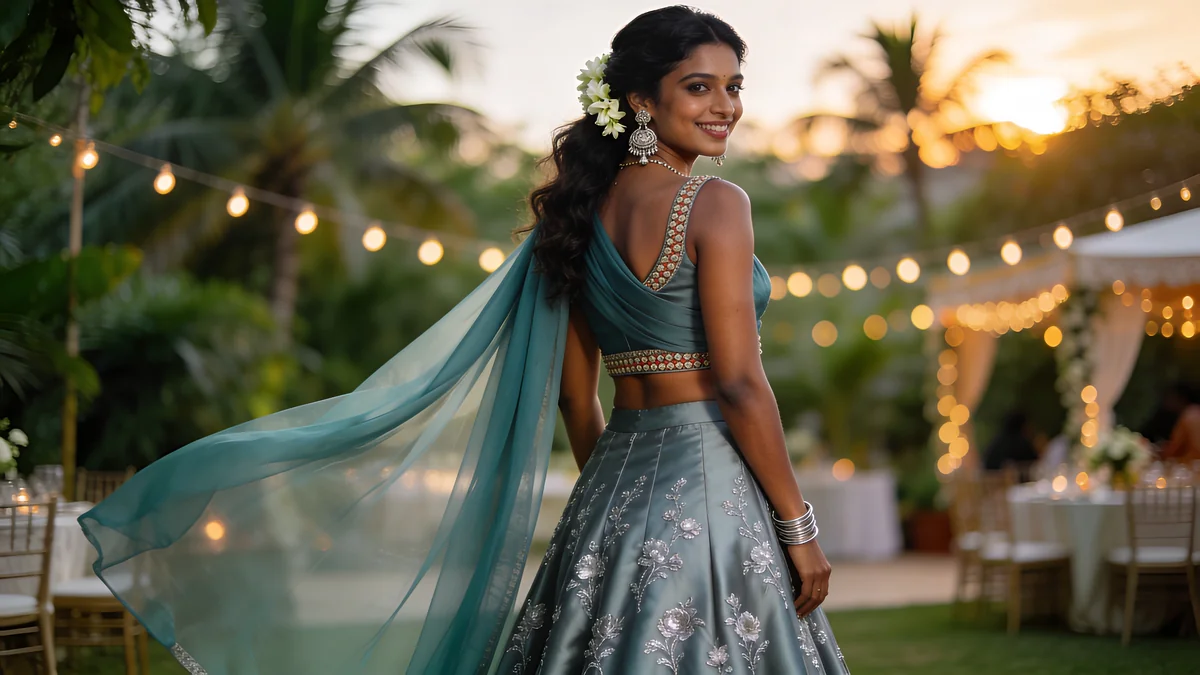
The 2026 lehenga palette has split clearly between traditional jewel tones and modern dusty pastels. Here's what's leading and what's fading.
Leading in 2026:
- Oxblood and old rose. Sabyasachi's signature palette is everywhere, from the runway down to mid-market retail.
- Dusty pink. Anushree Reddy's pastel-pink bridal lehengas continue to dominate Pinterest mood boards.
- Emerald green. A growing favorite for evening receptions and sangeets, especially for non-bridal guests.
- Ivory and gold. Tarun Tahiliani's pre-stitched ivory tissue lehenga remains the most copied bridal silhouette.
- Dusty blue and sage. Pastel blues and greens are now mainstream guest colors in 2026.
- Mustard and ochre. Particularly strong for mehendi and daytime functions.
- Peach and apricot. Soft, romantic, and photograph beautifully under daylight.
Fading in 2026:
- Bright crimson red (replaced by darker reds, oxblood, maroon).
- Hot pink and electric magenta.
- Royal blue with heavy embellishment (replaced by softer dusty blues).
- Black with neon embroidery.
Vogue India's April 2026 wedding feature noted: "The new bridal palette is whispered, not shouted. The richness comes from craft, not chroma."
Fabrics & Embroidery: Silk, Velvet, Net, Zardozi, Mirror Work
Fabric and embroidery do almost all the heavy lifting in a wedding lehenga's final read. Here's the practical guide.
Silk (raw silk, tussar, mulberry): Mid-weight, structured, takes embroidery cleanly. The Sabyasachi-Tahiliani tier of bridal lehenga is built almost entirely on silk variants. Best for the wedding day itself in temperate weather.
Velvet: Heaviest, most traditional, most opulent. Reserved for winter weddings and indoor evening ceremonies. Stunning in photos, but uncomfortable in heat.
Tissue and organza: Lightest, most fluid, photographs as ethereal. Best for daytime weddings, Christian-Hindu intercultural ceremonies, and reception lehengas where movement matters.
Net: Used as a base for embroidery, gives the visual fullness of velvet without the weight. Manish Malhotra's signature lighter bridal silhouette is built on net.
Chanderi: Lightweight, semi-sheer, ideal for daytime functions and pre-wedding events. Not bridal but excellent for guest wear.
Crepe and georgette: Modern, drape-y, a less traditional pick. Often used for reception lehengas where the bride wants something less structured.
On embroidery: zardozi (gold thread) is the most prestigious; gota patti (Rajasthani metallic ribbon) is classic for Jaipur and Delhi weddings; aari and zari are finer and more delicate; mirror work suits Gujarati and destination weddings; and chikankari (white-on-color Lucknowi thread work) is the lightest, most summer-friendly choice.
How to Drape Your Lehenga Dupatta (5 Styles)
The dupatta is doing more work than the skirt itself in 2026 wedding fashion. Five drapes that consistently photograph well:
- Single-shoulder pallu. The dupatta drapes over the left shoulder and falls down the back. Most photographed drape in 2026, works for both brides and guests.
- Double dupatta. Two dupattas, one over each shoulder, often in contrasting colors. Common for brides, especially for North Indian weddings. Adds drama and volume.
- Belted across the waist. The dupatta is pleated and belted at the waist, creating an asymmetric drape. A modern fusion drape that works for sangeets and receptions.
- Ghoonghat (head veil). Traditional drape where the dupatta covers the head, often used for the wedding ceremony itself. Sabyasachi's bridal portraits popularized this drape for modern brides.
- V-shape pinned drape. Both ends of the dupatta are pinned to the shoulders, creating a clean V-shape across the chest. Sabyasachi-style, photographs cinematically.
A practical tip: get the dupatta starched and pre-pleated by your tailor before the event. A loose dupatta unravels mid-photograph.
Lehenga Styling Tips: Jewelry, Hair, Makeup
Five tips that consistently elevate a wedding lehenga look.
Match the metal to the embroidery. Gold zardozi pairs with gold jewelry; silver gota patti pairs with silver or oxidized. Mixing metals in a traditional setting reads as accidental rather than deliberate.
Statement earrings or statement neck, pick one. A heavy chandbali earring with a deep V-neck blouse and bare neckline photographs more sophisticated than a full set of earrings, necklace, and choker on the same outfit.
Hair: low bun for traditional, side-swept open for modern. Brides usually go with a low bun adorned with fresh flowers (jasmine for South Indian brides, marigold for Hindu Punjabi brides). Guests can wear it open with a side parting and minimal accessories.
Makeup: dewy over matte for 2026. The 2024-2025 matte foundation look has shifted to a dewy, glowing finish in 2026 wedding makeup, particularly for daytime functions. Mumbai-based makeup artist Namrata Soni and Delhi-based Ojas Rajani have both moved their bridal kits in this direction.
Footwear: kolhapuris, juttis, or block heels, never stilettos. Indian wedding venues are usually lawn or marble, both punishing on stilettos. Kolhapuri-style block heels and embellished juttis are far more comfortable and photograph better with lehengas.
For a separates approach, Try Klodsy to test how your existing blouses, skirts, and dupattas combine before committing to a final outfit, particularly useful when you're wearing one lehenga skirt across multiple events.
Common Mistakes to Avoid
A few patterns that repeat in wedding-circuit closet consultations:
Buying a heavier bridal lehenga than the venue can handle. A 25-kilo velvet lehenga in a 38-degree May Delhi summer is a slow, hot evening. Match the fabric weight to the season and venue.
Matching the bride's color. Wedding-guest red, white, or ivory pulls focus from the bride. Stick to the dusty pastels and jewel tones that complement rather than compete.
Skipping the pre-event try-on. Lehenga blouses are unforgiving on fit; a side-zip pulling the wrong way on the wedding day is the day-of disaster nobody talks about. A virtual try-on or a physical trial run a week before saves the panic.
Over-accessorizing. Heavy chandbali earrings + maang tikka + nath + multiple necklaces + arm cuffs + bangles + payal reads as costume rather than couture. Pick three jewelry pieces, leave the rest off.
Polyester saree-style blouses with lehenga skirts. The synthetic blouse is the cheapest-looking corner of Indian bridal retail. Spend the same money on a well-fitted cotton-silk or raw-silk blouse.
Not breaking up the lehenga across events. A single 4-lakh lehenga worn only once is a missed opportunity. Buying separates, one skirt, two blouses, two dupattas, across the wedding season makes better use of the budget.
Final Thought + CTA
A wedding lehenga in 2026 is more thoughtfully chosen than it has ever been. Brides are picking lighter weights, dustier palettes, and more wearable silhouettes. Guests are dressing more confidently in pastels and modern separates. The dupatta is the styling hero. Fit matters more than embellishment. And the wedding wardrobe is no longer one piece, it's a kit.
If you want to test how a lehenga skirt, blouse, and dupatta combine before the big day, Try Klodsy, the virtual try-on is particularly useful when you're stretching one lehenga across multiple wedding events.
For more wedding-season guidance, see our engagement outfit guide for ring-ceremony specifics, and the wedding guest outfit post for cross-cultural dress codes.
Frequently Asked Questions
Everything you need to know about this topic
For brides, raw-silk or velvet lehengas in jewel tones (oxblood, emerald, ivory) lead 2026. For guests, mid-weight silk or chanderi lehengas in dusty rose, sage, or pastel pistachio work best. Match weight to the event: lighter for daytime, heavier for the main wedding ceremony.