
What to Wear Running: Activewear Guide for Every Season
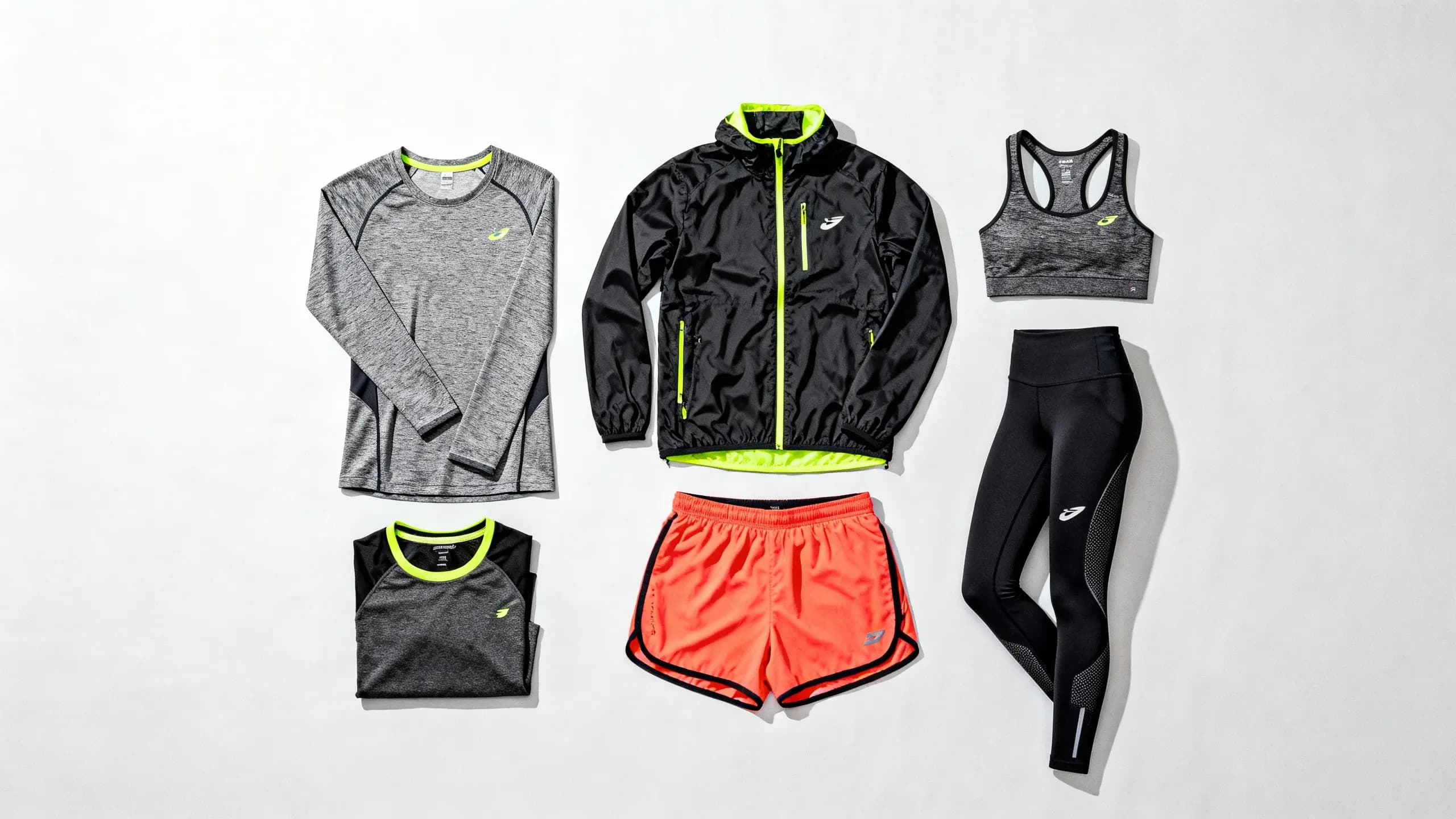
What to Wear Running: The Complete Activewear Guide for Every Season and Temperature in 2026
Running is one of the most accessible forms of exercise—until you step outside and realize you're either freezing or overheating. According to a 2024 running survey, 68% of runners struggle with choosing appropriate clothing for different weather conditions, with 45% having cut runs short due to uncomfortable attire and 52% unsure what to wear in extreme temperatures.
The challenge? Running generates significant body heat, but you also need protection from the elements. What feels comfortable standing still will feel very different after running a few miles. Understanding how to dress for running in different conditions can make the difference between an enjoyable run and a miserable one.
This comprehensive guide covers everything you need to know about what to wear running in 2026. We'll explore temperature-based outfit recommendations, seasonal considerations, layering strategies, and essential activewear pieces. Plus, we'll show you how AI tools like Klodsy can help you visualize and plan your running outfits.
"I used to skip runs because I couldn't figure out what to wear. Learning proper layering and temperature-based dressing completely changed my running experience. Now I run comfortably in any weather, from freezing winters to hot summers." — David K., Marathon Runner, Boston
The Running Temperature Rule: Dressing for Active Body Heat
The most important principle for running attire: Dress as if it's 10-15 degrees Fahrenheit (5-8 degrees Celsius) warmer than the actual temperature. This accounts for the heat your body generates while running.
Why this matters:
- Your body temperature rises significantly during exercise
- Starting too warm leads to overheating and discomfort
- You should feel slightly cool at the start of your run
- You'll warm up within the first mile
Examples:
- If it's 40°F (4°C), dress for 50-55°F (10-13°C)
- If it's 20°F (-7°C), dress for 30-35°F (-1 to 2°C)
- If it's 60°F (15°C), dress for 70-75°F (21-24°C)
Exception: For very hot weather (above 75°F/24°C), this rule doesn't apply—you'll need minimal clothing regardless.
Understanding Running Fabrics: What Works and What Doesn't
The fabric of your running clothes matters more than you might think. Different materials have different properties that affect comfort, moisture management, and temperature regulation.
Moisture-Wicking Fabrics (Best for Running)
What they are: Synthetic fabrics that pull moisture away from your skin to the outer surface where it can evaporate.
Examples:
- Polyester
- Nylon
- Spandex/Elastane blends
- Technical synthetic blends
Benefits:
- Keep you dry
- Regulate body temperature
- Reduce chafing
- Lightweight and breathable
When to use: All running conditions, especially important for longer runs.
Merino Wool (Excellent for Cold Weather)
What it is: Natural fiber from merino sheep, processed for athletic wear.
Benefits:
- Natural moisture-wicking
- Temperature regulating
- Odor-resistant
- Works even when wet
When to use: Cold weather running, longer runs, multi-day activities.
Avoid Cotton (The Runner's Enemy)
Why to avoid:
- Retains moisture (stays wet and heavy)
- Doesn't regulate temperature
- Causes chafing
- Feels cold when wet
- Takes forever to dry
When cotton might be acceptable: Very short, casual runs in perfect weather (but even then, technical fabrics are better).
Other Fabric Considerations
Bamboo: Moisture-wicking and breathable, good for moderate temperatures.
Silk: Lightweight and smooth, good for base layers in cold weather.
Compression fabrics: Provide muscle support, can help with recovery.
The Three-Layer System for Running
The three-layer system is the foundation of proper running attire for cool to cold weather:
Layer 1: Base Layer (Moisture Management)
Purpose: Keep your skin dry by wicking sweat away from your body.
What to wear:
- Moisture-wicking tank top or t-shirt
- Long-sleeve base layer for cooler weather
- Running shorts with built-in liner or moisture-wicking briefs
- Moisture-wicking socks
Key features:
- Should fit snugly but not constricting
- Made of synthetic, moisture-wicking material
- Seamless or flat seams to prevent chafing
When to use: Always, in any weather condition. Even in hot weather, a moisture-wicking base layer is essential.
Layer 2: Middle Layer (Insulation)
Purpose: Trap body heat and provide warmth.
What to wear:
- Lightweight fleece or technical jacket
- Long-sleeve running shirt
- Running tights or pants (for legs)
Key features:
- Lightweight but insulating
- Breathable to allow moisture to escape
- Can be removed if you get too warm
When to use: Cool to cold weather (below 50°F/10°C).
Layer 3: Outer Layer (Weather Protection)
Purpose: Protect from wind, rain, and extreme cold.
What to wear:
- Windproof running jacket
- Waterproof jacket (for rain)
- Lightweight shell
Key features:
- Windproof and/or waterproof
- Breathable to allow moisture to escape
- Lightweight and packable
- Reflective elements for visibility
When to use: Cold, windy, or rainy conditions.
Temperature-Based Running Outfit Guide
What to Wear Running: 60°F and Above (15°C+)
Warm to hot weather running:
Outfit:
- Moisture-wicking tank top or short-sleeve t-shirt
- Running shorts (with or without liner)
- Moisture-wicking socks
- Running shoes
- Optional: Cap or visor, sunglasses
Key considerations:
- Light colors reflect heat
- Minimal layers
- UV protection important
- Stay hydrated
Adjustments:
- 70-80°F (21-27°C): Add sunscreen, consider lighter shorts
- 80-90°F (27-32°C): Minimal clothing, early morning or evening runs
- Above 90°F (32°C): Consider indoor alternatives or very early morning runs
What to avoid:
- Cotton clothing
- Dark colors (absorb heat)
- Overdressing
What to Wear Running: 50-60°F (10-15°C)
Perfect running temperature:
Outfit:
- Short-sleeve moisture-wicking t-shirt or tank top
- Running shorts or capris
- Moisture-wicking socks
- Running shoes
- Optional: Light gloves, arm sleeves
Key considerations:
- You may feel cool at start but will warm up
- Light layers work well
- Can remove layers if needed
Adjustments:
- Near 50°F (10°C): Consider light long-sleeve top
- Near 60°F (15°C): Shorts and t-shirt perfect
What to Wear Running: 40-50°F (4-10°C)
Cool weather running:
Outfit:
- Long-sleeve moisture-wicking top
- Running tights or capris
- Moisture-wicking socks
- Running shoes
- Light gloves
- Headband or light hat
Key considerations:
- Dress for 50-60°F feeling (remember the 10-15° rule)
- May feel cool at start
- Will warm up significantly
Adjustments:
- Near 40°F (4°C): Add light jacket or vest
- Windy conditions: Add windproof layer
What to Wear Running: 30-40°F (-1 to 4°C)
Cold weather running:
Outfit:
- Long-sleeve base layer
- Lightweight fleece or running jacket (middle layer)
- Running tights or pants
- Moisture-wicking socks (consider thicker)
- Running shoes
- Gloves
- Hat or headband
- Optional: Neck gaiter
Key considerations:
- Layering essential
- Protect extremities (hands, head, feet)
- May start cool but will warm up
- Consider wind conditions
Adjustments:
- Windy: Add windproof outer layer
- Very cold (near 30°F/-1°C): Add extra middle layer
- Consider face protection if very cold
What to Wear Running: 20-30°F (-7 to -1°C)
Very cold weather running:
Outfit:
- Long-sleeve base layer
- Insulating middle layer (fleece or lightweight jacket)
- Windproof outer layer (jacket or shell)
- Running tights (may need two layers)
- Thick moisture-wicking socks
- Running shoes (consider trail shoes if icy)
- Warm gloves
- Hat or beanie
- Neck gaiter or face mask
- Optional: Hand warmers
Key considerations:
- Full three-layer system
- Protect all exposed skin
- May need to slow pace to maintain warmth
- Watch for ice and slippery conditions
Adjustments:
- Icy conditions: Consider trail shoes or traction devices
- Windy: Extra wind protection essential
- Very cold (near 20°F/-7°C): Consider indoor alternative or extra layers
What to Wear Running: Below 20°F (-7°C)
Extreme cold weather running:
Outfit:
- Long-sleeve base layer
- Multiple middle layers or heavy fleece
- Windproof and insulated outer jacket
- Running tights (may need two layers or windproof tights)
- Thick moisture-wicking socks (may need two pairs)
- Running shoes (trail shoes recommended if snowy/icy)
- Warm gloves or mittens
- Warm hat or balaclava
- Face protection (neck gaiter, face mask)
- Hand warmers
- Consider: Windproof pants over tights
Key considerations:
- Full protection essential
- May need to adjust running pace
- Be prepared to cut run short if too cold
- Watch for frostbite warning signs
- Consider indoor alternatives
Safety note: Running in extreme cold requires experience and proper gear. Beginners should consider indoor alternatives when temperatures drop below 15°F (-9°C).
Seasonal Running Outfit Guides
Spring Running Outfits
Transitional weather requires flexibility:
Early Spring (40-50°F / 4-10°C):
- Long-sleeve top, tights, gloves, headband
- Light jacket for wind/rain
Mid-Spring (50-60°F / 10-15°C):
- Short-sleeve top, capris or shorts, optional light layers
- Perfect running weather
Late Spring (60-70°F / 15-21°C):
- Shorts and t-shirt
- Light, breathable fabrics
Key considerations:
- Weather changes quickly
- Layer for morning/evening runs
- Prepare for rain
- Use Klodsy to plan spring running outfits
Summer Running Outfits
Hot weather requires special attention:
Outfit essentials:
- Lightweight, moisture-wicking tank or t-shirt
- Running shorts (with liner)
- Moisture-wicking socks
- Running shoes with good ventilation
- Cap or visor
- Sunglasses
- Sunscreen
Key considerations:
- Run early morning or evening
- Stay hydrated
- Light colors reflect heat
- UV protection important
- Minimal clothing
- Consider indoor alternatives during extreme heat
Hydration: Critical in hot weather. Carry water or plan routes with water sources.
Fall Running Outfits
Cooling temperatures require layering:
Early Fall (60-70°F / 15-21°C):
- Shorts and t-shirt, perfect weather
Mid-Fall (50-60°F / 10-15°C):
- Long-sleeve top, shorts or capris
Late Fall (40-50°F / 4-10°C):
- Layers, tights, gloves, headband
Key considerations:
- Temperatures dropping
- Morning runs can be chilly
- Prepare for rain
- Adjust layers as needed
Winter Running Outfits
Cold weather requires proper gear:
Outfit essentials:
- Full three-layer system
- Running tights or pants
- Warm gloves and hat
- Face protection if very cold
- Reflective gear (shorter days)
- Appropriate footwear for conditions
Key considerations:
- Layer appropriately
- Protect extremities
- Watch for ice
- Reflective clothing for visibility
- May need to slow pace
- Consider indoor alternatives in extreme cold
Safety: Running in winter requires extra caution. Watch for ice, shorten stride on slippery surfaces, and be visible to traffic.
Special Conditions: Rain, Wind, and Extreme Weather
Running in the Rain
What to wear:
- Moisture-wicking base layer (still important!)
- Waterproof or water-resistant jacket
- Cap with brim to keep rain off face
- Avoid cotton (will get heavy when wet)
- Consider waterproof shoes or accept wet feet
Key considerations:
- You'll still get wet, but proper gear helps
- Visibility reduced, use reflective gear
- Traction may be reduced
- Running in rain can be enjoyable with right gear
Running in Windy Conditions
What to wear:
- Windproof outer layer essential
- May need extra layers for wind chill
- Secure hat and accessories
- Consider running into wind first, with wind on return
Key considerations:
- Wind adds significant chill factor
- Adjust layers for wind
- Protect exposed skin
- Be aware of wind direction in route planning
Running in Snow/Ice
What to wear:
- Full cold weather gear
- Trail shoes or traction devices
- Extra caution with footing
- Bright, visible clothing
- Face protection
Key considerations:
- Traction essential
- Slow down and shorten stride
- Visibility important
- Consider indoor alternatives for safety
Essential Running Gear Beyond Clothing
Running Shoes
Critical for comfort and injury prevention:
- Proper fit is essential
- Replace every 300-500 miles
- Consider gait analysis
- Different shoes for different surfaces
Socks
Don't underestimate good socks:
- Moisture-wicking essential
- Proper fit prevents blisters
- Consider thickness for weather
- Avoid cotton
Accessories
Important additions:
- Gloves: Essential in cold weather
- Hat/Headband: Protect head and ears
- Neck Gaiter: Face protection and warmth
- Arm Sleeves: Adjustable warmth
- Reflective Gear: Safety in low light
- Hydration: Water bottles or hydration packs for long runs
Common Running Outfit Mistakes to Avoid
1. Overdressing:
- Mistake: Too many layers, getting too hot
- Solution: Remember the 10-15° rule, start slightly cool
2. Underdressing:
- Mistake: Not enough layers in cold weather
- Solution: Use three-layer system, protect extremities
3. Wearing cotton:
- Mistake: Cotton retains moisture, causes chafing
- Solution: Always use moisture-wicking fabrics
4. Ignoring extremities:
- Mistake: Forgetting gloves, hat in cold weather
- Solution: Protect hands, head, and feet
5. Not adjusting for conditions:
- Mistake: Same outfit for all conditions
- Solution: Adjust layers based on temperature, wind, rain
6. Poor fit:
- Mistake: Clothes too tight or too loose
- Solution: Proper fit prevents chafing, allows movement
How Klodsy Can Help You Plan Running Outfits
Klodsy's AI-powered tools can assist with running outfit planning:
Temperature-Based Recommendations
Get outfit suggestions based on:
- Current weather conditions
- Expected temperature during your run
- Wind and precipitation forecasts
- Your personal comfort preferences
Outfit Visualization
See how different combinations work:
- Test layering options
- Visualize complete running outfits
- Plan for different weather scenarios
- Coordinate colors and styles
Wardrobe Planning
Build your running wardrobe:
- Identify missing pieces
- Plan purchases based on needs
- See how items work together
- Create versatile running outfits
Building Your Running Wardrobe: Essential Pieces
Base Layers
Must-haves:
- Moisture-wicking tank tops (2-3)
- Short-sleeve t-shirts (2-3)
- Long-sleeve base layers (2-3)
Tops
Variety for different conditions:
- Lightweight running jackets
- Fleece or insulating layers
- Windproof/waterproof outer layers
Bottoms
Essential pieces:
- Running shorts with liner (2-3 pairs)
- Running capris (1-2 pairs)
- Running tights (1-2 pairs)
- Running pants (1 pair for very cold weather)
Accessories
Weather protection:
- Running gloves (light and heavy)
- Hats and headbands
- Neck gaiters
- Arm sleeves
- Reflective gear
Seasonal Additions
As needed:
- Sun protection (caps, visors)
- Cold weather extras (balaclava, extra layers)
- Rain gear (waterproof jacket)
- Traction devices (for ice/snow)
Conclusion: Run Comfortably in Any Weather
Proper running attire makes a significant difference in your running experience. By understanding temperature-based dressing, layering principles, and fabric choices, you can run comfortably and safely in any weather condition.
Key takeaways:
- Dress for 10-15°F warmer than actual temperature
- Always use moisture-wicking fabrics (avoid cotton)
- Use the three-layer system for cool to cold weather
- Protect extremities in cold weather
- Adjust layers based on conditions
- Use Klodsy to plan and visualize running outfits
Remember: Comfort and safety are more important than fashion when running. Proper attire prevents discomfort, injury, and weather-related issues, allowing you to focus on your run.
Ready to optimize your running wardrobe? Try Klodsy's outfit planner to visualize running outfits for different temperatures and conditions, plan your activewear purchases, and ensure you're properly dressed for every run.
Related Articles
What to Wear Fishing: Complete Outfit Guide for Every Season
What to wear fishing in any season or water type. Layering tips, sun protection picks, footwear guide, and outfit ideas for lake, ocean, and river trips.
What to Wear to Pilates: Complete Outfit Guide 2026
Discover what to wear to Pilates for mat, reformer, and wall classes. Learn about fabrics, fit requirements, grip socks, and outfit formulas for every Pilates type.
What to Wear to the Gym: Workout Outfit Guide 2026
Complete guide on what to wear to the gym for every workout. Gym outfit ideas for cardio, weightlifting, HIIT, and classes plus fabric and footwear tips.
Frequently Asked Questions
Everything you need to know about this topic
For cold weather running, use a three-layer system: moisture-wicking base layer, insulating middle layer (fleece or lightweight jacket), and windproof/waterproof outer layer if needed. Add running tights or pants, gloves, hat, and appropriate socks. Dress as if it's 10-15 degrees warmer than the actual temperature since you'll heat up while running.