
What to Wear in Italy: Packing Guide by City & Season
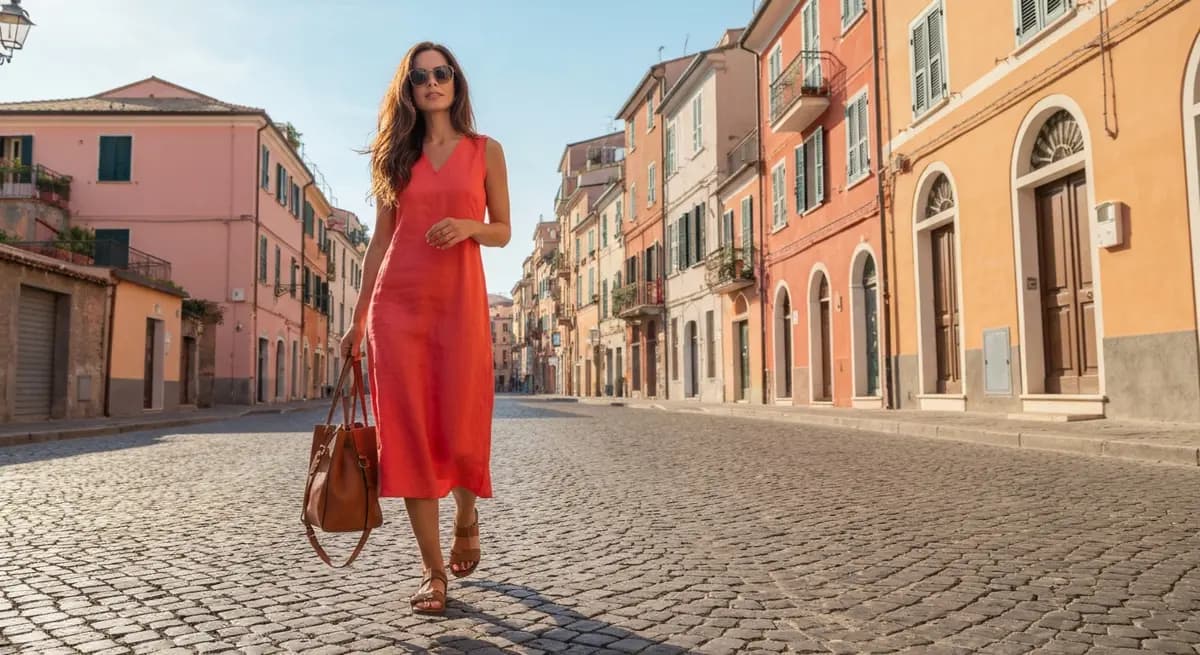
What to Wear in Italy: The Only Guide You Need for Every City and Season
What to wear in Italy is one of the most common questions travelers ask before a trip to Europe, and for good reason. Italy is one of the few countries where clothing choices directly shape your experience. The wrong outfit can mean being turned away at the Vatican, receiving cold service at a trattoria, or standing out as a target for pickpockets on a crowded Roman bus.
A 2024 Conde Nast Traveler survey found that 72% of travelers to Italy feel underdressed compared to locals. That number reflects a real cultural gap. Italian fashion tips for tourists start with understanding one principle: la bella figura. This concept goes beyond clothing into behavior, grooming, and respect for public spaces. "Italian style is not about following trends," explains Valerie Steele, director of The Museum at the Fashion Institute of Technology. "It is about an innate understanding of quality, fit, and appropriateness that is taught from childhood."
This guide covers what to wear in Rome, Milan, Florence, Venice, and the Amalfi Coast across every season. Whether you are planning a summer trip or a winter holiday, you will find city-specific outfit formulas, Vatican dress code details, and a clear list of what NOT to wear in Italy. If you are also exploring other European destinations, our guides on what to wear in Spain, what to wear in Paris, and what to wear in Japan cover similar cultural dress codes.

Understanding Italian Style: La Bella Figura
Before packing, you need to understand the philosophy behind Italian fashion. La bella figura is not a dress code you memorize. It is a cultural mindset that values quality over quantity, fit over brand names, and intentionality over trends.
According to McKinsey's 2025 State of Fashion report, Italian consumers spend 40% more per garment than the European average but purchase 30% fewer items annually. This buying pattern explains what you see on Italian streets: fewer outfits overall but dramatically better fit, fabric, and coordination in each one.
The practical takeaway for travelers is simple. One beautifully cut blazer serves you better than three mediocre jackets. A single pair of quality leather shoes takes you further than three pairs of casual sneakers. Italians notice the drape of fabric and whether shoes are clean. The details communicate respect.
Core principles of la bella figura:
- Fit matters most — baggy, oversized clothing reads as carelessness, not style. Even casual pieces should follow the body's lines.
- Shoes are judged first — Italians assess footwear before anything else. White athletic sneakers with jeans is the top tourist marker in Italy.
- Natural fabrics signal awareness — linen, cotton, wool, silk, and leather communicate understanding of material culture.
- Color coordination is expected — matching your belt to your shoes and coordinating your bag with your outfit are baseline expectations, not bonus effort.
La bella figura does not require designer labels. Many of the best-dressed Italians wear Zara, COS, or local market finds with impeccable styling. It does not require formality either. Well-fitted jeans with a clean white t-shirt and leather loafers is perfectly acceptable in most Italian contexts. As Brunello Cucinelli, the Italian fashion designer, puts it: "Italians do not dress to impress others. They dress to respect themselves and the spaces they inhabit."
For mastering the dress code that Italians live by daily, our smart casual outfit ideas guide breaks down this exact approach.
What to Wear in Rome: Outfit Ideas for the Eternal City
What to wear in Rome requires balancing ancient streets with modern expectations. You will walk 15 to 20 kilometers daily on uneven cobblestones, make spontaneous church visits, and navigate the Roman expectation to look composed while doing it all.
Roman temperatures shift between shaded narrow alleys and sunlit piazzas, between air-conditioned museums and steamy outdoor markets. A scarf or cardigan is not optional — it doubles as a church cover-up and a temperature regulator.
Rome outfit formula:
Linen blouse or cotton button-down + Tailored pants or midi skirt + Leather sneakers or cushioned loafers + Crossbody bag (pickpocket-resistant) + Lightweight scarf for churches
Footwear in Rome deserves special planning. The city's sampietrini cobblestones are hard on feet and dangerous in heels or thin-soled shoes. Leather sneakers with cushioned insoles or well-constructed loafers hit the sweet spot — polished enough for a restaurant, functional enough for Palatine Hill. Avoid flip-flops entirely. Beyond the style issue, they are a genuine injury risk on Roman streets.
Avoid in Rome: Large backpacks (pickpocket magnet, especially on the 64 bus to the Vatican), athletic shorts and tank tops (churches and some trattorias will turn you away), and anything too precious for a crowded tram.
What to Wear in Milan: Meeting the Fashion Capital's Standards
What to wear in Milan demands more precision than any other Italian city. As the headquarters of Armani, Prada, Versace, and Dolce and Gabbana, Milan's streets function as a permanent informal runway. According to the Camera Nazionale della Moda Italiana, Milan's fashion industry contributes over EUR 100 billion to Italy's GDP — fashion is a civic identity here.
Milanese style is distinct from the rest of Italy. Where Romans favor earthy casualness and Florentines lean into artisan warmth, Milanese dressers pursue architectural precision. Black, navy, charcoal, and white form the backbone of the local wardrobe. Clean lines dominate. Accessories are singular and statement-making rather than layered.
Milan outfit formula:
Black turtleneck or tailored button-down + Slim trousers or structured pencil skirt + Polished leather boots or pointed-toe flats + Minimalist structured bag + One statement accessory (quality watch, architectural earrings, or designer sunglasses)
If your trip coincides with Milan Fashion Week (February and September), expect elevated energy across the city. You do not need to dress like a runway model, but awareness of the moment helps. The most respected dressers in Milan are those whose outfits look effortless despite being carefully considered.
What to Wear in Florence: Renaissance Refinement
Florence is smaller, quieter, and more consistently refined than Rome. The Florentine aesthetic connects to the city's artisan heritage — leather working, gold smithing, textile production. According to the Florence Chamber of Commerce, the city's leather industry alone generates over EUR 1.2 billion annually, and Florentines take material quality personally.
The Florentine color palette draws from the city's architecture: warm terracotta, deep olive, aged cream, burgundy, and rich amber. Wearing earth tones creates a visual harmony with the surroundings that both locals and your photographs will appreciate. Bright neons and loud graphic prints stand out negatively.
Florence outfit formula:
Cashmere or merino crewneck + Tailored trousers or A-line midi skirt + Leather ankle boots or quality loafers + Structured leather bag + Minimal gold jewelry
Florence has hills. The walk up to Piazzale Michelangelo, the climb to San Miniato al Monte, and the approach to Fiesole involve steep inclines. Sturdy soles with proper grip matter here more than in flat Rome.
What to Wear in Venice: Practical Elegance on Water
What to wear in Venice involves challenges no other Italian city shares. You will navigate water taxis, climb over 400 stepped bridges, dodge spray from vaporetto wakes, and possibly wade through acqua alta flooding. According to UNESCO conservation reports, Venice experiences significant flooding events an average of four times per year, with October through March being highest risk.
Venetians balance elegance with pragmatism born from living on water. They avoid anything too precious for a city where salt air corrodes metal and lagoon mist dampens everything. Layers are essential because wind off the Adriatic shifts temperatures rapidly.
Venice outfit formula:
Layered knits (easy to add or remove) + Water-resistant jacket or trench coat + Comfortable waterproof ankle boots + Compact crossbody bag + Warm wool scarf (essential October through April)
Venice footwear tip: If visiting between October and March, bring or buy rubber over-boots (available cheaply at every Venice tourist shop). For drier months, leather ankle boots with sealed soles or waterproof leather sneakers handle bridges and boat boarding well.
What to Wear in Italy in Summer
What to wear in Italy in summer tests your commitment to la bella figura. Temperatures regularly hit 28 to 38 degrees Celsius (82 to 100 Fahrenheit), and southern cities like Rome occasionally exceed 40 degrees. The Italian National Institute of Statistics (ISTAT) reported that summer 2025 set record temperatures in 12 Italian regions, yet Italians maintained their polished appearance throughout.
Summer essentials:
- Breathable linen trousers and shirts in white, cream, and pastels (linen wrinkles are expected and accepted)
- Cotton midi dresses and skirts for airflow
- Structured leather sandals or espadrilles (never rubber flip-flops)
- Quality sunglasses and a stylish sun hat (avoid baseball caps)
- A lightweight cardigan or scarf for air-conditioned interiors and church visits
- One slightly elevated evening outfit for dinners
The summer fabric rule is non-negotiable: natural fibers only. Cotton, linen, silk, and lightweight wool blends breathe in Italian heat. Polyester traps heat and odor. Italians recognize the difference from across a room.
Amalfi Coast summer note: Coastal towns like Positano, Amalfi, and Ravello operate on a more relaxed register — breezy linens, leather sandals, and oversized sunglasses — but swimwear is strictly for the beach. Italian coastal culture expects you to change before entering a restaurant, shop, or even a casual bar.
What to Wear in Italy in Winter
What to wear in Italy in winter surprises many visitors who expect mild Mediterranean weather. Central and southern Italy (Rome, Naples) hovers between 2 and 12 degrees Celsius (36 to 54 Fahrenheit) with persistent rain. Northern Italy — Milan, Venice, Turin — drops below zero with regular snow.
Winter essentials:
- A quality wool or wool-blend coat, ideally knee-length (your most visible garment)
- Warm base layers (merino thermal tops and leggings hidden under clothing)
- Wool sweaters and structured knitwear
- Waterproof boots with solid traction for cobblestones, rain, and possible ice
- Leather gloves, a wool or cashmere scarf, and a knit beanie or beret
- An umbrella (winter rain is frequent in Rome, Florence, and Naples)
Winter color strategy: Italians wear black, navy, charcoal, and camel as staples, with jewel tones — burgundy, forest green, deep teal — providing warmth and visual interest. All-black is always acceptable, especially in Milan. Adding one element of color like a red scarf prevents the look from reading as stark.
Spring and fall sit between these extremes. Spring (March through May) calls for light trench coats, layering knits, and soft pastels. Fall (September through November) is peak Italian style season — golden light, harvest mood, and temperatures perfect for tailored coats, leather boots, and rich earth tones. If you want to experience Italian fashion culture from the inside, visit in October.
Vatican Dress Code: Rules That Are Actually Enforced
The Italy dress code is mostly cultural and unwritten, but church dress codes are explicit and enforced. According to Vatican Museums visitor guidelines, approximately 3 to 5 percent of visitors are denied entry daily for dress code violations. At peak season, that means hundreds of people turned away because of a tank top.
Vatican and St. Peter's rules, enforced by guards at every entrance:
- Shoulders must be fully covered — no tank tops, spaghetti straps, or off-shoulder tops
- Knees must be covered — shorts and skirts must reach below the knee, not at the knee
- No see-through clothing, including sheer blouses, mesh panels, and heavily ripped jeans
- No hats inside the basilica (permitted in outdoor areas and museums)
- Rules apply to everyone — men, women, and children
The scarf solution: A lightweight cotton or silk scarf resolves most coverage issues instantly. Wrap it around shoulders over a sleeveless top, or tie it at the waist to extend a short skirt. Experienced travelers keep one in their bag year-round. For detailed guidance on modesty for religious spaces, our what to wear to church guide covers principles that apply throughout Italy.
Other Italian churches follow similar standards. The Duomo di Milano requires covered shoulders and knees and specifically prohibits shorts of any length. Florence's Duomo enforces the same. Even where rules are not formally enforced, entering an Italian church in beachwear is considered genuinely disrespectful.
What NOT to Wear in Italy: 7 Tourist Mistakes
Knowing what not to wear in Italy is just as important as knowing what to pack. These are the most common ways tourists undermine their experience through clothing.
-
White athletic sneakers with jeans — the single most reliable tourist identifier in Italy. Every local spots it instantly. Switch to leather sneakers, suede sneakers in muted colors, or minimalist sneakers without prominent branding.
-
Large backpacks in cities — beyond the style issue, backpacks in Rome, Florence, and Naples make you a pickpocket target. According to ANSA Italian news agency, tourist-targeted theft in Italian cities rises 35% during peak summer months. A slim crossbody bag keeps belongings safer and your silhouette cleaner.
-
Flip-flops outside the beach — rubber flip-flops in cities communicate a casualness Italians find disrespectful. They are also dangerous on wet cobblestones. Leather sandals or espadrilles achieve the same coolness with credibility.
-
Athletic wear for sightseeing — gym shorts, moisture-wicking tanks, and tracksuits are for the gym. Lightweight linen or cotton achieves the same comfort with appropriate context.
-
Forgetting church cover-ups — being turned away from the Vatican or Florence's Duomo wastes time and causes frustration. Keep a scarf in your bag always.
-
Visible logo overload — overt designer logos are considered tasteless by Italian standards. Dr. Emanuela Mora, professor of sociology of fashion at Universita Cattolica del Sacro Cuore in Milan, notes: "The Italian approach to luxury is understated. Quality communicates through fabric and construction, not through visible branding." Quiet luxury is the norm.
-
Only wearing dark colors in summer — black absorbs heat, and an all-black outfit in a Roman August leaves you miserable. Italians shift to lighter tones (white, cream, pale blue, blush) in warm months. Follow their lead.
For more universal style guidance, our what not to wear guide covers pitfalls that apply to any destination.
Italy Packing List: The Capsule Wardrobe Approach
Smart packing for Italy means fewer pieces that work harder together. According to Statista travel data, the average European traveler packs 60% more clothing than they actually wear. A targeted capsule wardrobe eliminates waste while meeting la bella figura standards.
The 10-Piece Italy Capsule (1 to 2 Weeks)
- 2 bottoms — one tailored trouser and one casual option, both in neutral tones
- 3 tops — one dressy blouse, one quality casual tee, one versatile button-down
- 1 light layer — cardigan, linen blazer, or lightweight jacket
- 1 outer layer — coat or jacket appropriate for the season, stylish enough for evening
- 1 dress or jumpsuit — your one-piece solution for dinners and simplified days
- 1 pair of walking shoes — leather sneakers or cushioned loafers
- 1 pair of elevated shoes — ankle boots, elegant flats, or structured sandals depending on season
Essential accessories: one quality scarf (church cover-up, evening wrap, warmth layer, style accent), one secure crossbody bag, quality sunglasses, and minimal jewelry.
Color strategy: Build around 2 to 3 neutral tones. Black plus tan plus white is a classic foundation. Navy plus cream plus olive works for autumn. Every piece should pair with every other piece. For help planning combinations digitally before packing, Klodsy's AI outfit planner can help you build vacation outfits and test what works together.
Plan Your Italy Wardrobe With Confidence
Planning what to wear in Italy involves cultural expectations, weather variability, activity demands, and luggage limits — all at once. Upload your wardrobe to Klodsy, test outfit combinations digitally, identify gaps before departure, and generate a day-by-day packing list matched to your itinerary.
Whether you are heading to Rome in summer, Milan in winter, or Venice in spring, having outfits planned in advance lets you focus on what actually matters: experiencing Italy.
More travel style guides:
- What to Wear in Spain — Mediterranean style and cultural dress tips
- What to Wear in Paris — French fashion essentials for visitors
- What to Wear in Japan — Cultural dress codes and seasonal packing
- What to Wear on a Cruise — Cruise packing and dress code guide
- What to Wear in New York in December — Winter city trip packing
Related Articles
Airport Outfit Ideas: What to Wear for Comfort and Style
Discover the best airport outfit ideas for every season. TSA-friendly tips, layering tricks, and outfit formulas for comfortable, stylish travel.
What to Wear in Paris: Style Guide for Every Season
Plan what to wear in Paris with our seasonal style guide. Parisian outfit ideas, restaurant dress codes, and French fashion rules every traveler needs.
What to Wear in Spain: Complete Travel Style Guide 2026
Plan what to wear in Spain with our city-by-city style guide. Madrid, Barcelona, Andalusia outfits, restaurant dress codes, and seasonal packing tips.
Frequently Asked Questions
Everything you need to know about this topic
Italy has no official dress code, but Italians follow 'la bella figura' — the cultural expectation to present yourself well. Smart casual is the baseline everywhere. Avoid athletic wear, flip-flops, and overly casual clothing in cities. Churches require covered shoulders and knees.