
What to Wear in 60 Degree Weather: Outfit Ideas & Tips
Why 60 Degree Weather Is Deceptively Tricky to Dress For
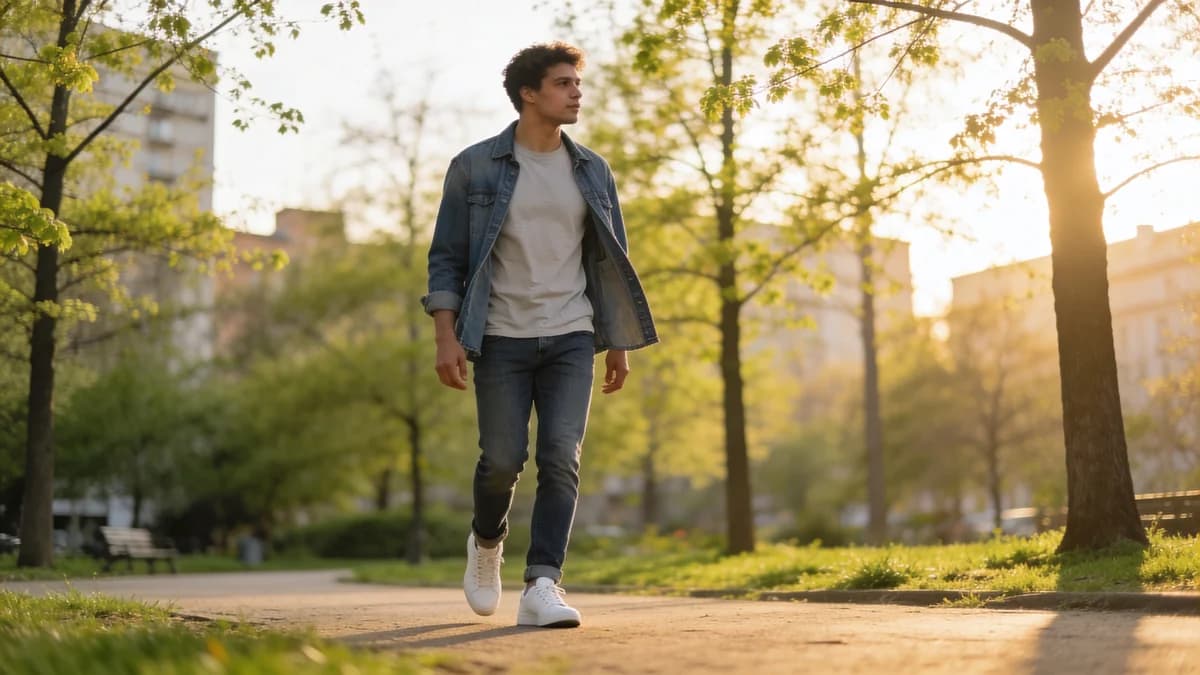
What to wear in 60 degree weather catches people off guard because 60 degrees Fahrenheit (15 to 16 degrees Celsius) feels like completely different temperatures depending on the time of day, wind, and sun exposure. A calm, sunny 60-degree afternoon can feel like summer. A breezy, overcast 60-degree morning can send you reaching for a heavier jacket. According to NOAA climate data, spring days that peak at 60 degrees Fahrenheit typically start in the mid-40s at dawn and can swing 15 to 20 degrees between morning and afternoon.
This makes 60 degree weather a prime layering challenge — not cold enough for a real coat, not warm enough to walk out in just a t-shirt. The key is building outfits with one reliable base layer, one light outer layer, and an optional mid layer you can add or remove as the day unfolds.
"The biggest mistake people make in transitional weather is dressing for one moment instead of the full day," says stylist and author Stacy London, co-host of What Not to Wear. "Sixty degrees at 8 a.m. and 60 degrees at 3 p.m. in full sun are completely different experiences. Your outfit needs to flex with both."
This guide covers occasion-specific 60 degree outfits for work, weekends, date nights, and outdoor activities, plus the best fabrics, layering strategies, and common mistakes to avoid. If you are also dealing with colder mornings in the upper 40s and low 50s, our guide to dressing for 50 degree weather covers the heavier layering strategies you may need early in the day.
The 60 Degree Layering Strategy: Base + Light Outer
At 60 degrees, you can simplify your layering system from three layers down to two — with a third layer on standby. Unlike 50 degree weather where a full 3-layer system is essential, 60 degrees gives you more room to breathe. The insulating mid layer becomes optional, and the outer layer shifts from a necessity to smart insurance.
A 2024 study in Advanced Materials on thermoregulating textiles confirmed that layered fabric systems regulate skin temperature more effectively than single heavy garments — but the number of layers should match the temperature. At 60 degrees, two layers provide the ideal balance of warmth and breathability for most body types during moderate activity.
Your Base Layer at 60 Degrees
The base layer is the one piece you will wear all day, so it needs to work indoors and outdoors, in sun and in shade.
Best base layer options for 60 degree weather:
- Cotton t-shirt (short or long sleeve) — the default choice for most people. Short sleeves work on sunny, calm days. Long sleeves provide a safety margin for mornings and wind.
- Lightweight knit top — a thin cotton or cotton-blend sweater works as both a base layer and a standalone top when the afternoon warms up.
- Button-down shirt (untucked or tucked) — ideal for work or polished casual settings. An oxford cloth or chambray shirt breathes well and layers neatly under a jacket.
- Merino wool tee — naturally temperature-regulating and moisture-wicking. The International Wool Textile Organisation reports that merino wool maintains skin comfort within a 2-degree temperature zone, making it exceptionally effective for fluctuating conditions.
At 60 degrees, your base layer choice matters more than at colder temperatures because you may not add anything on top for stretches of the day. Pick something you feel confident wearing on its own.
Your Outer Layer at 60 Degrees
The light outer layer is your safety net for morning chill, evening cool-downs, and unexpected wind. At 60 degrees, you want something easy to throw on, easy to take off, and light enough to carry without annoyance.
Best outer layers for 60 degree weather:
| Outer Layer | Best For | Weight | Style Level |
|---|---|---|---|
| Denim jacket | Casual, weekends, errands | Light-medium | Relaxed |
| Light blazer | Work, date night, brunch | Light | Polished |
| Shacket | Casual, outdoor plans | Medium | Trend-forward |
| Windbreaker | Running, hiking, outdoor sports | Ultra-light | Sporty |
| Cardigan (worn open) | Office, afternoon errands | Light | Easy-going |
| Bomber jacket | Casual, evening plans | Light-medium | Streetwear-cool |
The right outer layer depends on where you are going. A denim jacket handles 80% of casual 60-degree situations. A light blazer covers professional and elevated settings. A windbreaker is essential for outdoor activities where wind exposure is a factor.
When to Add a Mid Layer
You only need a mid layer at 60 degrees in three specific situations: early mornings when temperatures are still in the upper 40s or low 50s, windy days where the wind chill pushes the perceived temperature down, or evenings when the sun has dropped and temperatures are falling.
A thin fleece, open flannel, or cotton vest works as an easy mid layer that packs away once the day warms up. If you find yourself consistently reaching for a mid layer at 60 degrees, you may want to review our 50 degree weather dressing guide — your "feels like" temperature may actually be in the 50s.
60 Degree Outfit Ideas by Occasion
The best 60 degree weather outfit depends on your plans for the day. A Monday morning commute, a Saturday afternoon hike, and a Friday evening dinner all call for different approaches to the same temperature. Here are ready-to-wear outfit formulas for five common scenarios.
Work and Office Outfits for 60 Degree Weather
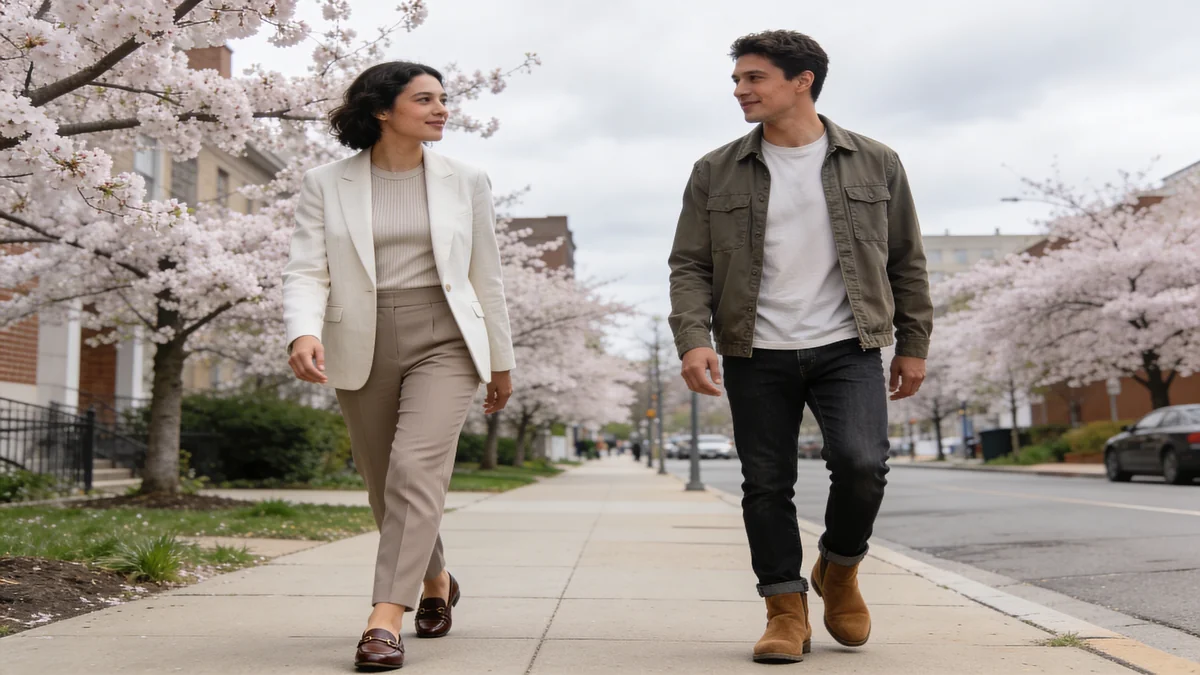
At 60 degrees, your commute is comfortable enough to skip the heavy coat entirely — which means your jacket becomes part of the outfit rather than something you shed and hide at your desk.
Women: Tailored trousers or a midi skirt with tights + fitted blouse or lightweight knit top + light blazer + loafers or low-heeled ankle boots. The blazer doubles as your commute layer and your polished office layer. According to a Harvard Business Review study on workplace dress, employees who feel confident in their outfit report higher performance self-ratings, making intentional dressing a professional advantage, not vanity.
Men: Chinos or tailored trousers + oxford shirt or lightweight crewneck sweater + unstructured sport coat + clean leather sneakers or loafers. Skip the tie unless the occasion demands it — a well-fitted sport coat carries enough formality at 60 degrees.
Key tip: Most offices keep interior temperatures between 68 and 72 degrees Fahrenheit year-round. Your base layer should be comfortable at those indoor temperatures, with the outer layer reserved for the commute and lunch breaks. For more professional outfit strategies, see our guide on what to wear to work.
Casual Weekend Outfits for 60 Degree Weather
Weekends at 60 degrees are the sweet spot for effortless, relaxed dressing. You have enough warmth for lighter fabrics but enough chill to make layering look intentional rather than unnecessary.
Women: Well-fitted jeans + cotton t-shirt or Breton stripe top + denim jacket or oversized shacket + white sneakers or canvas slip-ons. Add a lightweight scarf if the morning is breezy.
Men: Dark jeans or chinos + henley or crewneck tee + bomber jacket or denim jacket + clean sneakers or suede desert boots.
The one-swap rule from our casual outfit ideas guide works perfectly here. Swap sneakers for ankle boots, or swap the denim jacket for a blazer, and the same base outfit goes from errand-running to restaurant-ready. At 60 degrees, the outer layer swap is the fastest way to change your entire look.
Date Night Outfits for 60 Degree Weather
Sixty degrees is arguably the best temperature for date night dressing. It is warm enough for lighter fabrics and sleeker silhouettes without the bulk of cold-weather layering, and cool enough that you will not arrive sweating.
Women: Slip midi dress + light leather or suede jacket + ankle boots or low block heels + crossbody bag. Alternatively, tailored wide-leg trousers + a fitted top in a rich color + structured blazer. A 2025 Match.com Singles in America survey found that "thoughtful style" ranked among the top three first-impression factors, ahead of accessories and grooming.
Men: Dark slim-fit jeans or tailored trousers + quality button-down shirt (top button open) + navy or charcoal blazer + clean leather shoes or Chelsea boots. A pocket square adds a finishing touch without trying too hard.
Key tip: Restaurants are often warmer than outdoor temperature. If you are wearing a blazer or jacket, choose a base layer you are comfortable wearing alone — a well-fitted t-shirt, a thin knit, or a good button-down.
Outdoor and Active Outfits for 60 Degree Weather
Running, hiking, and outdoor exercise at 60 degrees require different thinking than everyday dressing. The key principle: dress 10 to 15 degrees warmer than the thermometer shows, because your body generates significant heat during activity.
Running or cycling: Moisture-wicking short-sleeve tee or tank + light running shorts or capris + thin running vest or arm sleeves for the warm-up. The American Council on Exercise notes that body temperature rises substantially within the first ten minutes of moderate exercise — starting slightly cool ensures you hit your comfort zone once your body warms up.
Hiking or long walks: Moisture-wicking long-sleeve base + packable windbreaker in a daypack + hiking pants or athletic joggers + trail shoes. At 60 degrees on exposed trails, wind and elevation can drop the perceived temperature into the low 50s, so keep that windbreaker accessible.
Picnics, outdoor events, and spectating: Long-sleeve cotton layer + light jacket + jeans or comfortable trousers + comfortable shoes you can stand in. When you are not generating body heat through activity, 60 degrees feels cooler than you expect after sitting for an hour.
Morning-to-Evening Dressing: Handling the Temperature Swing
One of the biggest challenges at 60 degrees is not the temperature itself — it is the swing. A day that peaks at 60 degrees Fahrenheit typically starts in the mid-40s and may drop to the low 50s after sunset. According to National Weather Service data, spring diurnal temperature ranges in temperate U.S. climates average 15 to 25 degrees, meaning you could experience 45 degrees at 7 a.m., 62 degrees at 2 p.m., and 52 degrees at 8 p.m.
The morning-to-evening formula:
- Morning (45-55 degrees): Wear your full layered outfit — base layer + optional mid layer + outer layer
- Midday (58-65 degrees): Remove the outer layer. A crossbody bag or tote keeps it accessible without cluttering your hands.
- Evening (50-55 degrees): Put the outer layer back on. If dining outdoors, add the mid layer back for seated comfort.
This is exactly the kind of daily outfit planning where tools like Klodsy's daily outfit planner help most — when you need to visualize how your layers work together across a full day of temperature changes.
Best Fabrics for 60 Degree Weather
At 60 degrees, fabric choice shifts from insulation toward breathability. You still need some warmth retention for mornings and evenings, but the primary risk is overheating in the afternoon, not being too cold. A 2024 study published in the Textile & Leather Review on fabric breathability and thermal comfort found that breathable natural fibers outperform heavy synthetics in the 50 to 65 degree range because they release excess heat while retaining baseline warmth.
Best fabrics for 60 degree weather:
- Cotton — breathable, lightweight, and comfortable for all-day wear. The ideal base layer fabric at 60 degrees. Works for t-shirts, button-downs, and lightweight sweaters.
- Chambray — a lighter alternative to denim with a soft texture and natural breathability. Excellent for shirts and shackets.
- Lightweight denim — perfect for jackets and jeans. Provides enough structure to block light wind without trapping heat.
- Merino wool (lightweight) — still relevant at 60 degrees for its temperature-regulating properties. A thin merino t-shirt adapts to both 48-degree mornings and 63-degree afternoons.
- Cotton-linen blends — add a touch of breathability beyond pure cotton while maintaining enough weight for cooler moments. Great for casual shirts and relaxed trousers.
- French terry — a mid-weight knit that works for sweatshirts and casual layers. Warm enough for mornings, breathable enough for afternoons.
Fabrics to avoid at 60 degrees:
- Heavy wool knits — too warm for anything above 55 degrees. You will overheat by midday.
- Fleece as a standalone outer layer — better suited to 50 degrees and below. At 60 degrees, fleece traps too much heat during moderate activity.
- Thick synthetic base layers — designed for sub-40 temperatures. At 60 degrees, they create a sauna effect against your skin.
Dressing for the 55-70 Degree Range — Quick Adjustments
Every five-degree shift above or below 60 changes your approach. This table gives you a quick reference for adjusting your outfit across the broader mild weather range.
| Temperature Range | Base Layer | Mid Layer | Outer Layer | Notes |
|---|---|---|---|---|
| 55-58°F (13-14°C) | Long-sleeve tee or light knit | Light cardigan or vest | Denim jacket, blazer, or shacket | Mid layer recommended for most of the day |
| 58-62°F (14-17°C) | Short or long-sleeve tee | Optional — open flannel or vest | Carry a light jacket | The core 60-degree formula |
| 62-65°F (17-18°C) | Short-sleeve tee or blouse | Not needed | Optional — bring just in case | Jacket only needed for evening plans |
| 65-70°F (18-21°C) | T-shirt, tank, or light top | Skip it | Skip it | Light layers only if dining outdoors at night |
The critical insight: below 58 degrees, you are closer to 50-degree dressing and need genuine layering. Above 65 degrees, you are approaching warm-weather dressing where a jacket is optional. The 58 to 62 degree zone is the true "light jacket weather" sweet spot.
Common Mistakes When Dressing for 60 Degree Weather
Avoiding the wrong choices is just as important as making the right ones. These are the mistakes that lead to discomfort, overheating, or being underprepared when the temperature drops in the evening.
- Overdressing with a heavy coat — the most common error. A winter coat at 60 degrees causes sweating within minutes and leaves you hauling it around all afternoon. A light jacket is all you need.
- Going out in just a t-shirt with no layer backup — fine for a 30-minute errand in afternoon sun, but risky for a full day. Without a light jacket on hand, you will be cold the moment the sun dips or the wind picks up.
- Wearing dark, heat-absorbing colors head to toe — an all-black outfit in direct 60-degree sun can feel 10 degrees warmer. Mix in lighter tones or save the all-black look for evening plans.
- Ignoring wind chill — the National Weather Service wind chill calculations begin at 50 degrees Fahrenheit, and a 15 mph wind at 60 degrees makes it feel closer to 53 degrees. Check the "feels like" temperature, not just the actual temperature.
- Skipping socks with loafers or sneakers — no-show socks exist for a reason. Bare feet in shoes at 60 degrees lead to cold toes and blisters by midday.
- Wearing flip-flops or sandals all day — fine for a quick outdoor lunch in the sun, but your feet will be cold within an hour if you are walking, shopping, or sitting outdoors in shade.
Accessories That Complete a 60 Degree Outfit
At 60 degrees, accessories are about function and finishing touches — not warmth. You do not need scarves, gloves, or beanies. Instead, focus on accessories that solve practical problems and elevate your look.
- Sunglasses — essential in spring. The sun sits lower on the horizon in March through May, creating intense glare during commutes and outdoor plans. Polarized lenses reduce eye strain significantly.
- Light crossbody bag or tote — you will be removing your jacket by midday. A bag that can hold a folded denim jacket or blazer keeps your hands free.
- Baseball cap or wide-brim hat — blocks direct sun, reduces glare, and adds a relaxed style element to casual outfits. Especially useful for outdoor activities and spectating.
- Canvas belt — a small detail that signals intentional dressing. A woven or canvas belt complements the relaxed fabrics that work best at 60 degrees.
- Light watch — swap heavy metal bands for canvas or leather straps. A lighter watch matches the overall weight of 60-degree dressing.
What to skip at 60 degrees: wool scarves, gloves, beanies, heavy jewelry, and thick belts. These signal cold-weather dressing and clash with the lighter layers that 60 degrees calls for.
Plan Your 60 Degree Outfit in Minutes
Dressing for 60 degree weather comes down to one principle: light layers you can add and remove without rethinking your entire outfit. A breathable base, a light outer layer, and one optional mid layer for mornings and evenings cover everything from a brisk dawn walk to a warm afternoon on a patio.
The real challenge is not knowing what works — it is seeing how your specific clothes layer together before you walk out the door. Klodsy's AI outfit planner lets you build layered outfits from your own wardrobe, test combinations with virtual try-on, and save go-to looks for 60 degree days. No more standing in front of your closet at 7 a.m. trying to guess whether that jacket is too heavy or that shirt is warm enough.
Whether spring is arriving or fall is settling in, 60 degrees is the temperature where smart layering replaces heavy dressing. Pick one outfit formula from this guide, test it on your next mild day, and adjust from there. For more seasonal outfit inspiration, explore our spring outfit ideas for 2026.
Related Articles
What to Wear Golfing: Dress Code Guide for Every Course
What to wear golfing for women and men, from public courses to country clubs. Golf dress codes, outfit formulas, tournament attire, and seasonal tips.
What to Wear Hiking: Trail Outfit Guide by Season
What to wear hiking in spring, summer, fall, and winter. Layering systems, outfit formulas for women and men, footwear picks, and common clothing mistakes.
Minimalist Style Guide: How to Dress With Intention
Master minimalist style with outfit formulas, color palettes, and design principles. Learn to build a minimalist aesthetic that looks expensive and effortless.
Frequently Asked Questions
Everything you need to know about this topic
It depends on the activity. For running or active outdoor exercise, lightweight shorts are fine once your body warms up. For everyday errands or work, most people find shorts too cool at 60°F, especially in wind or shade. Opt for jeans or chinos instead.