
What to Wear Ice Skating: Cute & Warm Outfit Ideas
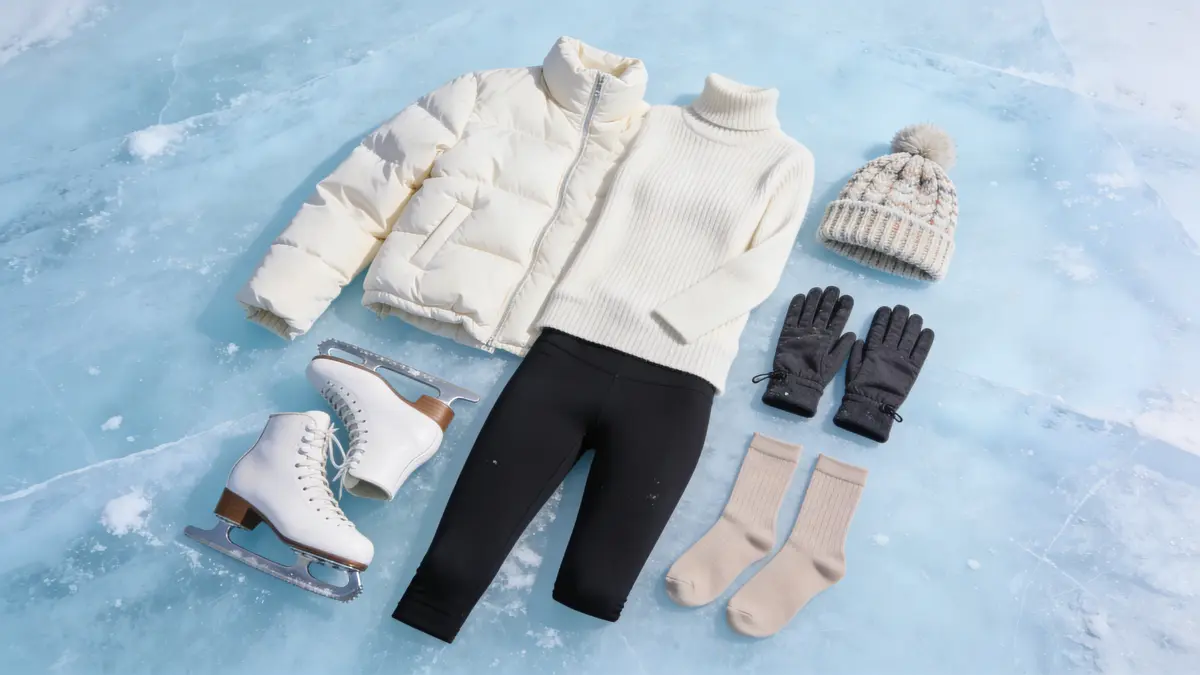
What to Wear Ice Skating: A Complete Guide to Rink-Ready Outfits
Figuring out what to wear ice skating is trickier than it looks. You need clothes that keep you warm on a cold rink surface, allow your legs and arms to move freely, protect you if you fall, and ideally look good while doing all of that. Get it wrong and you spend the session tugging at a bulky coat, shivering in a thin top, or slipping because your jeans are too stiff for proper balance.
The stakes are real. According to the Canadian Injury Data Program (2016-2024), falls account for 85.4% of all ice skating injuries, and what you wear directly affects your ability to balance and recover. Loose, restrictive, or poorly layered clothing reduces your range of motion and increases the risk of a tumble.
Ice skating participation continues to grow. The Statista Sports Participation Report recorded approximately 11.44 million ice skating participants in the United States in 2023, up from around 10 million the previous year. Whether you are heading to a local indoor rink, lacing up at an outdoor holiday pop-up, or planning an ice skating date, the outfit principles in this guide will keep you comfortable, safe, and stylish.
What this guide covers:
- The three-layer system adapted specifically for ice skating conditions
- Indoor rink versus outdoor rink outfit differences
- Cute ice skating date outfit formulas that balance style and function
- Tops, bottoms, socks, gloves, and accessories that work on the ice
- What not to wear ice skating and the most common clothing mistakes
- First-timer tips and kids outfit considerations
The Ice Skating Layering System: Base, Mid, and Outer
Layering is the foundation of every good ice skating outfit because rink temperatures and your body temperature shift constantly. You start cold, warm up once you begin skating, and cool down again during breaks. Removable layers let you regulate without committing to one temperature extreme.
"The biggest mistake recreational skaters make is overdressing with one thick layer instead of building a system of thin, flexible layers," says Jo Jackson, British figure skating champion and coaching consultant. "Three thin layers will keep you warmer than one bulky coat, and you can peel off the outer one when you get moving."
Base Layer: Moisture Management
Your base layer sits against your skin and wicks sweat away from your body. Even in a cool rink, skating is a physical activity and you will perspire.
Best base layer materials:
- Merino wool: Regulates temperature naturally, wicks moisture, stays warm even when damp, and resists odors
- Synthetic blends (polyester/nylon): Lightweight, fast-drying, affordable, and widely available in athletic stores
- Avoid cotton: Cotton absorbs moisture and holds it against your skin, making you cold and clammy within minutes
According to Darn Tough, merino wool fibers can hold up to 30% of their weight in water without feeling wet, which is why outdoor and sport professionals overwhelmingly recommend it over cotton for any cold-weather activity.
Base layer fit: Snug but not constricting. A fitted long-sleeve thermal top and leggings or thermal tights create a smooth foundation that won't bunch under your outer layers.
Mid Layer: Insulation
The mid layer traps body heat. This is the layer you will remove first when you warm up and put back on during breaks.
Best mid layer options:
- Fleece pullover or zip-up: Lightweight, warm, breathable, and easy to remove
- Lightweight wool sweater: Warm and stylish, works well for casual skating sessions and dates
- Thin down or synthetic insulated vest: Keeps your core warm while leaving arms free for movement
The mid layer should fit comfortably over your base layer without restricting shoulder or arm movement. You need full range of motion for balance and arm extension on the ice.
Outer Layer: Weather Protection
Your outer layer depends entirely on whether you are skating indoors or outdoors.
Indoor rink: A light jacket, fitted fleece, or even just your mid layer may be enough. Indoor rinks maintain air temperatures around 55 to 65 degrees Fahrenheit, which feels cool but not freezing. Once you start skating, your body generates significant heat.
Outdoor rink: A proper insulated jacket is essential. Choose a fitted puffer, insulated softshell, or cropped winter jacket that allows arm movement. Avoid floor-length coats or oversized parkas that restrict your legs and arms.
Key outer layer features for skating:
- Fitted or slightly cropped silhouette (does not hang past mid-thigh)
- Stretch panels or athletic cut for arm mobility
- Zippered front for quick removal
- Zippered pockets to secure your phone and keys
Indoor Rink vs. Outdoor Rink: How Your Outfit Changes
The venue changes your outfit strategy significantly. Understanding this difference prevents both overdressing and underdressing.
Indoor Ice Skating Outfits
Indoor rinks are temperature-controlled, sheltered from wind, and maintain consistent conditions. The Riedell Skates ice rink guide explains that while the ice surface itself sits at 17 to 29 degrees Fahrenheit, the air temperature several feet above the ice is significantly warmer at 55 to 65 degrees.
Indoor rink outfit formula:
- Moisture-wicking base layer top
- Fleece pullover or lightweight knit sweater
- Fitted athletic leggings or stretchy pants
- Thin merino wool socks
- Light gloves (you will appreciate these even indoors)
You likely will not need a heavy outer jacket while actively skating indoors. Bring one to wear during breaks or while lacing up, but expect to take it off once you start moving.
Outdoor Ice Skating Outfits
Outdoor rinks expose you to wind, precipitation, and temperatures that can drop below freezing. Every layer matters more.
Outdoor rink outfit formula:
- Thermal base layer top and bottom
- Insulating mid layer (fleece, wool sweater, or light down)
- Fitted insulated jacket (puffer, softshell, or ski-style jacket)
- Fleece-lined leggings or insulated athletic pants
- Merino wool socks (medium weight)
- Insulated gloves or mittens
- Warm hat or headband covering ears
- Thin neck gaiter (not a long dangling scarf)
"For outdoor skating, treat it like a moderate-intensity winter hike rather than standing still in the cold," advises Dr. Emily Splichal, functional podiatrist and human movement specialist. "You are exerting energy, so your body generates heat. Layering allows you to match your clothing to your actual temperature rather than the ambient temperature."
Ice Skating Date Outfit Ideas: Cute Meets Practical
An ice skating date is one of the most popular winter date activities, and the outfit challenge is real: you want to look attractive while staying warm and being able to actually skate. The good news is that fitted, athletic-inspired pieces naturally look polished on the ice.
According to a 2025 Match.com Singles in America survey, 72% of respondents said their date's appearance influenced their first impression, but "well-dressed" mattered significantly more than "expensively dressed." On an ice skating date, well-dressed means looking intentional and put-together within the context of the activity.
Women's Ice Skating Date Outfits
Formula 1: The Classic Rink Date
- Black fleece-lined leggings with a smooth, matte finish
- Cream or camel fitted turtleneck sweater (cashmere or merino blend)
- Cropped puffer jacket in a flattering color (burgundy, forest green, or classic black)
- Thin touchscreen-compatible gloves
- Small crossbody bag secured close to the body
- Hair pulled back or in a low bun to stay out of your face
This formula works because the turtleneck adds sophistication, the cropped puffer keeps your silhouette defined, and the leggings allow full freedom of movement. The color palette reads intentional without trying too hard.
Formula 2: The Sporty-Chic Date
- High-waisted athletic leggings in a dark neutral
- Fitted half-zip fleece pullover in a soft color (dusty rose, sage, or light gray)
- Lightweight vest over the pullover for core warmth
- Clean white sneakers or low-profile boots
- Minimal jewelry (small studs or a thin chain necklace under the pullover)
This formula leans into the athletic setting and works especially well if you are comfortable on skates and plan to actually move rather than cling to the wall.
Men's Ice Skating Date Outfits
Formula 1: The Polished Winter Date
- Dark slim-fit joggers or athletic chinos with stretch
- Quarter-zip merino pullover in navy, charcoal, or olive
- Fitted insulated jacket (quilted or softshell)
- Clean leather boots or minimalist winter sneakers
- Leather or knit gloves
Formula 2: The Relaxed Active Date
- Slim-fit dark athletic pants or tapered joggers
- Crewneck fleece sweatshirt layered over a thermal base
- Fitted puffer vest
- Clean sneakers with grip
- Knit beanie (adds personality without looking overdone)
The key for men on an ice skating date: fit matters more than brand. Well-fitted, clean layers in coordinated colors look significantly better than expensive gear that is baggy or mismatched. For more date night outfit ideas beyond the rink, our dedicated guide covers every scenario.
Best Tops for Ice Skating
Your upper body layers determine both warmth and range of motion. The right top keeps your core warm while allowing your arms to extend naturally for balance.
Best choices:
- Fitted fleece pullover: The most versatile ice skating top. Warm, breathable, and allows full arm movement
- Merino wool turtleneck or mock neck: Keeps your neck warm without a scarf, looks polished for dates or casual sessions
- Quarter-zip athletic top: Easy to vent when you warm up, sporty and functional
- Light puffer vest over a long-sleeve top: Keeps your core insulated while leaving arms completely unrestricted
- Cropped puffer jacket: Stays above hip level so it does not interfere with leg movement
Avoid:
- Oversized or boxy sweaters that bunch up and restrict movement
- Long cardigans or open-front layers that can flap and catch
- Anything you would be devastated to get wet or dirty (falls happen)
Best Bottoms for Ice Skating
Your bottom half needs to prioritize flexibility and a close fit. The skating stride requires a full range of hip and knee motion, and loose or stiff fabrics fight against that.
Best choices:
- Fleece-lined leggings: The gold standard for ice skating. Warm, stretchy, close-fitting, and fast-drying
- Athletic or yoga pants: Excellent stretch and moisture management
- Slim-fit joggers: Comfortable and functional, tapered fit avoids catching on skate blades
- Stretchy ponte pants: A dressier option that still allows movement, good for dates
Avoid:
- Jeans: Restrict movement at the knee and hip, absorb moisture, and take forever to dry after a fall. According to Sports Direct's skating guide, jeans are one of the most commonly cited mistakes among first-time skaters
- Wide-leg pants or flares: Excess fabric near the ankle can catch on skate blades or drag on the ice
- Long skirts or dresses: Restrict stride and create a tripping hazard
- Short shorts or exposed skin: The ice surface is cold and abrasive during falls
The ideal length is full-length or slightly cropped above the ankle. You want the hem to sit above the top of the skate boot without excess fabric bunching inside or around it.
Socks: The Most Underrated Ice Skating Decision
Sock choice can make or break your ice skating experience. The wrong socks cause blisters, cold feet, and reduced control inside the skate boot.
The rules:
- Wear ONE pair of thin to medium-weight socks. Doubling up creates friction points and blisters
- Choose merino wool or synthetic moisture-wicking material. Heat Holders research confirms that merino wool maintains insulation even when damp and is six times more durable than cotton
- Sock height matters. They should extend above the top of the skate boot (usually mid-calf or knee-high) to prevent the boot from rubbing directly against your skin
- Avoid thick, cushioned cotton socks. They absorb sweat, bunch inside the boot, reduce your feel for the blade, and increase blister risk
"The number one mistake I see with new skaters is wearing thick cotton socks," says Figure Skating Boutique's gear guide. "A single pair of thin wool or technical socks gives you better warmth, better fit, and better control than two pairs of cotton."
Gloves and Accessories That Work on the Ice
Accessories complete your ice skating outfit, but they need to be functional on a slippery surface where falls are common.
Gloves
Gloves are essential for ice skating, even indoors. Your hands are exposed, close to the ice, and vulnerable during falls. Cold, stiff fingers also make it harder to grip the railing or help yourself up.
Best options:
- Thin insulated gloves: Provide warmth without bulk, allowing you to zip jackets and handle your phone
- Touchscreen-compatible gloves: Practical for photos and checking your phone between sessions
- Water-resistant gloves: Ideal for outdoor rinks where your gloves may contact snow or slush
- Mittens (outdoor only): Warmer than gloves but reduce dexterity. Choose convertible mittens with fold-back fingers for flexibility
Head and Neck
- Fitted beanie or fleece headband: Keeps ears warm without obstructing vision. Choose a snug fit that will not slide over your eyes during movement
- Thin neck gaiter or buff: Provides neck warmth and can be pulled up over your chin in cold conditions. Far safer than a traditional scarf
- Avoid long scarves: A dangling scarf is a serious safety hazard on the ice. It can catch on another skater, get pulled into your own movement, or trip you during a fall
What to Do with Your Belongings
- Leave your large bag in a locker or with a non-skating companion
- Carry only essentials in a small crossbody bag worn close to your body or in zippered jacket pockets
- Avoid backpacks, which shift your center of gravity and affect balance
What NOT to Wear Ice Skating: Common Mistakes
Knowing what to avoid is just as important as knowing what to wear. These are the most common ice skating clothing mistakes, each one reducing either comfort, safety, or both.
| Mistake | Why It Fails | Better Alternative |
|---|---|---|
| Bulky winter parka | Restricts arm and leg movement, causes overheating | Fitted puffer or layered fleece system |
| Jeans | Stiff, absorb moisture, restrict knee bend | Fleece-lined leggings or stretchy athletic pants |
| Long scarf | Tripping and catching hazard | Thin neck gaiter or buff |
| Thick cotton socks | Cause blisters, absorb sweat, reduce skate control | Single pair of thin merino wool socks |
| Wide-leg or flared pants | Catch on skate blades, drag on ice | Slim-fit leggings or tapered joggers |
| High heels to the rink | Impossible on rubber matting around rinks | Flat boots or sneakers you can swap easily |
| No gloves | Cold hands, painful falls, no grip on rails | Thin insulated or touchscreen gloves |
| Multiple sock layers | Friction, blisters, loss of skate control | One pair of proper-weight skating socks |
According to Mass General Brigham's ice skating safety guide, wearing appropriate, well-fitted clothing is one of the key preventive measures against ice skating injuries. Loose clothing that restricts vision or movement directly contributes to falls.
First-Time Ice Skater Outfit Tips
If you have never been ice skating before, your clothing choices are especially important. You will spend more time off-balance, more time holding the wall, and you are more likely to fall. Dressing strategically makes the learning curve less painful.
First-timer checklist:
- Wear close-fitting layers that do not restrict movement or catch on anything
- Always wear gloves to protect your hands during falls (your hands hit the ice first instinctively)
- Choose pants with knee padding or wear thin knee pads underneath. Falls for beginners often land on knees
- Bring a change of clothes in case you get wet from falls. A dry base layer and socks in your bag makes the drive home comfortable
- Skip fashion-first choices for your first session. Prioritize comfort and flexibility until you find your balance
- Wear your hair up and secure. Hair in your face impairs vision and balance
A study published in the PMC journal on figure skating epidemiology found that beginners and recreational skaters have the highest injury rates, with wrist and forearm fractures being the most common among new skaters. Gloves, close-fitting clothing, and even wrist guards significantly reduce the impact of falls.
If you are a beginner figuring out what to wear for various activities, our winter wear guide covers the layering fundamentals that apply across all cold-weather settings.
Figure Skating Inspired Fashion vs. Casual Skating Looks
There is a clear difference between what competitive figure skaters wear and what recreational skaters should aim for. Understanding this distinction helps you dress appropriately for the setting.
Competitive and practice figure skating:
- Skating-specific practice pants (water-resistant, boot-length, extra stretch)
- Fitted skating jacket designed for rink temperatures
- Competition dresses and costumes (for performances only)
- Tights designed for skating boots
Recreational and casual skating:
- Athletic leggings and fleece layers as described throughout this guide
- Everyday winter clothing adapted for movement and warmth
- No special skating-specific gear required
If you enjoy skating regularly and want to explore the figure skating aesthetic, brands like Mondor, Jerry's Skating World, and ChloeNoel make practice wear that combines the sleek look of skating fashion with practical warmth and flexibility. These pieces also work well for everyday casual outfit ideas when paired with regular shoes and accessories.
Kids Ice Skating Outfit Guide
Dressing kids for ice skating follows the same principles as adults but with a few extra considerations for smaller bodies that lose heat faster and are more likely to fall.
Kids ice skating essentials:
- Waterproof outer layer: Kids spend more time sitting on the ice than adults. A waterproof or water-resistant jacket and snow pants keep them dry
- Thin, warm layers underneath: Long-sleeve thermal top, fleece pullover, and thermal leggings or snow pants
- Helmet: Strongly recommended for children, especially beginners. According to CORE Orthopedics, helmets and wrist guards significantly reduce injury severity in young skaters
- Waterproof gloves or mittens: Kids will touch the ice constantly. Waterproof materials prevent cold, wet hands from ending the session early
- Thin wool socks: The same rule applies to kids. One pair of thin, warm socks provides better skate control than thick cotton ones
- Knee pads and wrist guards: Optional but highly recommended for first-timers under 10
Avoid for kids:
- Loose scarves or hood drawstrings that could catch
- Bulky snowsuits that restrict movement
- Multiple layers of thick socks
For more on dressing children for winter activities with sustainability in mind, our guide to eco-friendly kids' fashion covers ethical brands and durable materials that hold up to active winter play.
Outfit Formulas: Copy-Paste Combinations
Here are three complete ice skating outfits you can replicate directly from your closet.
Formula 1: Indoor Rink Casual
- Black fleece-lined leggings
- Long-sleeve moisture-wicking base layer
- Lightweight fleece half-zip in any color
- Thin merino wool crew socks
- Touchscreen gloves
- Hair tied back, small crossbody bag
Formula 2: Outdoor Rink Date Night
- Dark matte leggings or slim ponte pants
- Fitted turtleneck sweater in cream, burgundy, or forest green
- Cropped puffer jacket
- Merino wool mid-calf socks
- Insulated touchscreen gloves
- Fitted beanie or fleece headband
- Thin neck gaiter in a coordinating color
Formula 3: First-Timer Protection Priority
- Thermal base layer top and bottom
- Fleece pullover
- Fitted waterproof jacket
- Stretchy athletic pants (dark color hides ice marks)
- Merino wool socks
- Padded gloves or wrist guards
- Helmet (especially for kids and cautious adults)
- Change of dry clothes in your bag
These formulas work for all body types and genders. Adjust colors, brands, and specific pieces to match your personal style. If you want to visualize how these combinations look before heading to the rink, Klodsy's AI outfit planner lets you test layered outfits using your own wardrobe photos.
Plan Your Ice Skating Outfit with Klodsy
Layering for ice skating involves more pieces than a typical outfit, which makes it harder to visualize the final look. Klodsy's AI-powered outfit planner helps you combine tops, layers, bottoms, and accessories from your own wardrobe to see the complete outfit before you get dressed.
Upload your pieces, experiment with layer combinations, and save your favorite ice skating outfits. Whether you are planning a date night look at the rink, dressing for an outdoor winter activity, or building a winter wardrobe that works across multiple cold-weather scenarios, Klodsy removes the guesswork and helps you show up feeling confident.
Related Articles
What to Wear to Mardi Gras 2026: Outfit Ideas & Style
Plan your Mardi Gras 2026 outfit with festive ideas for parades, parties, and balls. Get tips on purple, gold, and green styling, accessories, and comfort.
What to Wear in 50 Degree Weather: Layering Tips & Outfits
What to wear in 50 degree weather? Master the 3-layer formula for 50°F outfits with jacket picks, occasion ideas, and fabric tips for transitional weather.
Date Night Outfit Ideas: What to Wear on a Date
Find the perfect date night outfit for any scenario. Outfit formulas for casual, romantic, energetic, and adventurous dates with tips for both women and men.
Frequently Asked Questions
Everything you need to know about this topic
Wear fitted, flexible layers you can move in. Start with a moisture-wicking base layer, add a fleece or light sweater, and finish with a fitted jacket. Choose leggings or stretchy pants, thin wool socks, and bring gloves. Avoid bulky coats, jeans, and long scarves that could catch on the ice.