
What to Wear Fishing: Complete Outfit Guide for Every Season
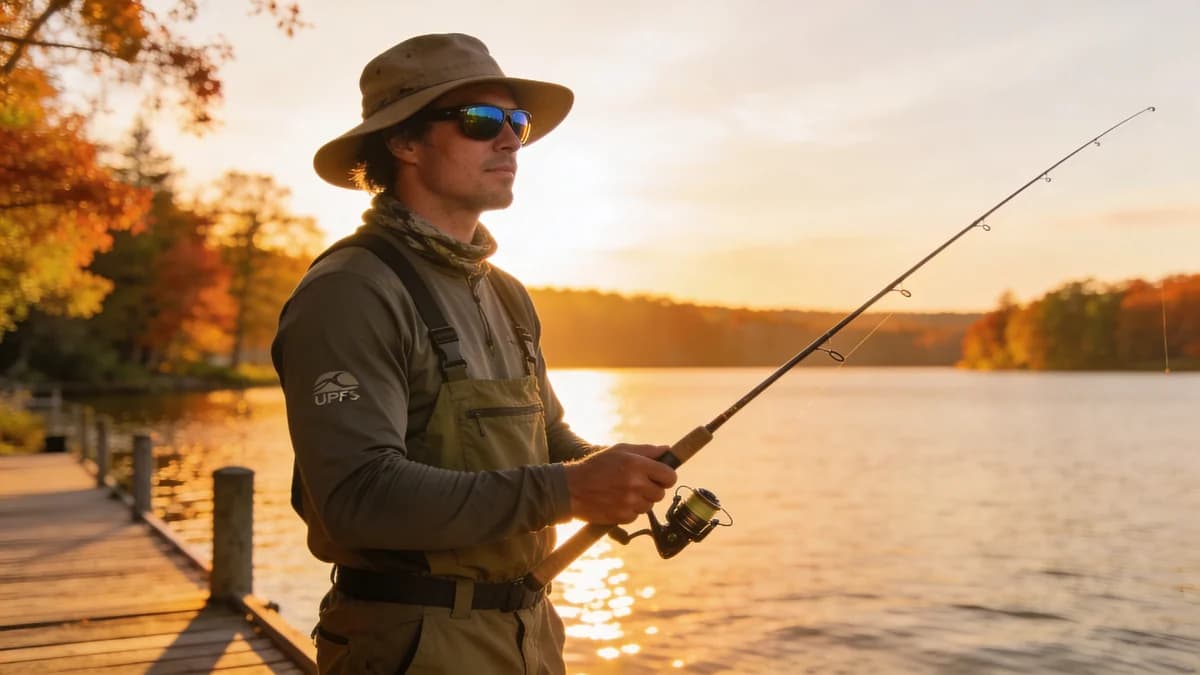
Why What You Wear Fishing Matters More Than You Think
What to wear fishing is not just a style question — it is a comfort, safety, and performance decision that determines whether you enjoy your trip or spend hours fighting discomfort. The wrong clothing choice on the water can mean sunburn, hypothermia, restricted movement, or a miserable day cut short.
Fishing is more popular than ever. According to the Recreational Boating & Fishing Foundation (RBFF), a record 57.9 million Americans went fishing in 2024 — 19 percent of the U.S. population and the highest participation rate since tracking began in 2007. Of those, 5.1 million were first-time anglers who likely faced the exact question you are asking right now: what should I actually wear?
The global fishing clothing market reflects this demand. Verified Market Research values the fishing apparel market at $1.6 billion in 2024, projected to reach $2.5 billion by 2032. The growth is driven by advances in performance fabrics — moisture-wicking, UPF-rated, quick-dry materials that make modern fishing clothes far more functional than a flannel shirt and old jeans.
This guide covers the right fishing outfit for every water type, season, and activity level. Whether you are planning a casual lake day, a deep sea charter, or a fly fishing trip in the mountains, the clothing recommendations here are practical, data-backed, and ready to wear.
"Layering is the most underutilized skill in everyday dressing," says fashion consultant Tim Gunn, author of Tim Gunn's Fashion Bible. "The difference between being uncomfortable all day and being perfectly comfortable often comes down to one removable layer." That principle applies to fishing even more than city streets — water, wind, and sun make temperature management critical.
The Fishing Outfit Formula: 4 Layers That Cover Every Condition
The single most reliable approach to fishing attire is a structured layering system. Unlike land-based outdoor activities, fishing exposes you to water reflection, wind off open water, and sudden weather shifts — sometimes all in the same hour. A layered fishing outfit lets you adapt without changing clothes entirely.
Layer 1: The Moisture-Wicking Base
Your base layer sits against your skin all day and manages sweat and moisture. This is where fabric choice matters most. A 2024 study published in Advanced Materials on thermoregulating textiles confirmed that layered fabric systems regulate skin temperature significantly more effectively than single heavy garments because air trapped between layers acts as natural insulation.
Best base layer fabrics for fishing:
| Fabric | Pros | Cons | Best For |
|---|---|---|---|
| Polyester blend | Fast drying, affordable, durable | Can retain odor | Most fishing trips |
| Merino wool | Odor-resistant, temperature-regulating | Higher cost, slower drying | Cold-weather fishing |
| Nylon blend | Lightweight, abrasion-resistant | Less breathable in heat | Active fishing, wading |
| Bamboo/Modal | Soft, naturally antimicrobial | Less durable | Casual fishing days |
Avoid cotton as a base layer. Cotton absorbs moisture, takes hours to dry, and loses all insulating properties when wet. On the water, where splashes and rain are inevitable, a wet cotton shirt can drop your core temperature rapidly — a genuine safety concern in cool conditions.
Layer 2: The Insulating Mid Layer
The mid layer traps warmth between your base and outer shell. On warm fishing days, you skip this layer entirely. On cool mornings that warm up by midday, it is the layer you remove and stow.
Effective mid layer options:
- Fleece pullover — lightweight, warm even when damp, the most popular choice among experienced anglers
- Synthetic insulated vest — keeps your core warm while freeing arm movement for casting
- Merino zip-up — temperature-regulating and professional-looking for guided trips or fishing dates
- Light down jacket — excellent warmth-to-weight ratio for cold early mornings, but loses insulation when wet
Layer 3: The Weatherproof Shell
Your outer layer defends against wind, rain, and spray. On a boat, wind chill and saltwater spray can make a 65-degree day feel like 50. On a river, a sudden rain shower with no shelter nearby demands waterproof protection.
Best outer layer options for fishing:
- Waterproof rain jacket — essential for any boat fishing or unpredictable weather conditions
- Lightweight windbreaker — sufficient for calm days with light breeze
- Softshell jacket — balances water resistance with breathability for active wading
- Gore-Tex or similar membrane jacket — premium option that breathes while blocking rain completely
Look for jackets with adjustable cuffs, a high collar, and sealed seams. Pit zips (underarm ventilation) are a valuable feature for active fishing like fly casting or wading, where overheating under a waterproof shell is common.
Layer 4: Sun Protection
Sun protection is arguably the most critical layer for fishing. According to research published in the Journal of the American Academy of Dermatology, anglers face up to 25 percent more UV exposure than land-based outdoor enthusiasts due to UV rays reflecting off water. Consistent use of UPF 50+ clothing reduced squamous cell carcinoma incidence by 40 percent compared to sunscreen alone.
A first-of-its-kind study by Oregon Health & Science University (OHSU) found that UPF-rated fabrics block more than 99 percent of UVB rays, while sunscreens block only 76 to 94 percent. Unlike sunscreen, fabric protection does not degrade with sweating, water exposure, or time.
Sun protection essentials for fishing:
- UPF 50+ long-sleeve shirt — the single most important piece of fishing clothing
- Wide-brim hat or bucket hat — protects face, ears, and neck simultaneously
- Neck gaiter or buff — shields the neck and lower face from reflected UV
- Polarized sunglasses — reduces glare, protects eyes, and lets you see below the water surface
Fishing Outfits by Activity Type
The best fishing clothes depend heavily on where and how you fish. A calm morning at a stocked pond requires different gear than a deep sea charter in the Gulf. Here is what to wear for each major fishing style.
Lake and Pond Fishing (Freshwater)
Lake fishing is the most common and most forgiving when it comes to clothing. You are usually on shore or in a small boat, close to your vehicle, and able to adjust if conditions change.
Recommended outfit:
- UPF long-sleeve shirt or breathable tee (warm days)
- Quick-dry pants or shorts depending on temperature
- Lightweight hiking shoes or water-friendly sandals with back straps
- Baseball cap or wide-brim hat
- Polarized sunglasses
- Light windbreaker (stowed in pack)
Lake fishing is where casual clothing works best. If you are fishing a familiar local pond on a mild day, quick-dry shorts, a performance tee, and sneakers are perfectly adequate.
Deep Sea and Boat Fishing
Boat fishing introduces wind, spray, bigger temperature swings, and the need for non-slip footwear on wet surfaces. Deep sea charters amplify all of these factors. The deck of an offshore fishing boat is one of the most demanding clothing environments in any outdoor activity.
Recommended outfit:
- UPF 50+ long-sleeve shirt (non-negotiable for offshore)
- Quick-dry pants or board shorts
- Waterproof jacket (even on sunny days — spray is constant)
- Non-slip boat shoes or deck boots
- Wide-brim hat with chin strap (wind will take unstrapped hats)
- Polarized sunglasses with retainer strap
- Neck gaiter for sun and wind protection
Bring an extra layer even in summer. Once you are 20 miles offshore, you cannot run back for a jacket. Wind chill on open water routinely drops the felt temperature 10 to 15 degrees below the forecast.
Fly Fishing and River Wading
Fly fishing involves the most physical movement and the most contact with water. Wading in a river up to your waist requires specialized gear, and the constant arm motion of casting demands unrestricted upper body movement.
Recommended outfit:
- Moisture-wicking base layer (long-sleeve for sun and brush protection)
- Fishing vest or chest pack (keep gear accessible)
- Waders (chest or hip, depending on water depth) with wading boots
- Quick-dry pants under waders or standalone for warm-water wading
- Lightweight sun shirt with roll-up sleeves
- Brimmed hat for sun and to spot fish through surface glare
- Wading boots with felt or rubber soles (check local regulations — felt is banned in some waters to prevent invasive species transfer)
Fly fishing clothing should prioritize freedom of movement above all else. Tight or restrictive shirts interfere with casting. Baggy clothing catches on brush, hooks, and line. The sweet spot is fitted but not tight — performance athletic wear works well.
Shore and Surf Fishing
Surf fishing from a beach or rocky shoreline means standing in sand, wading in shallow surf, and dealing with salt spray and wind. Clothing needs to handle sand abrasion, saltwater, and direct sun exposure with no shade.
Recommended outfit:
- UPF 50+ long-sleeve shirt
- Board shorts or quick-dry pants (you will get wet to the knees at minimum)
- Water shoes or wading sandals with good grip
- Wide-brim hat or sun cap with neck flap
- Neck gaiter
- Lightweight waterproof windbreaker for unexpected weather
If your shore fishing spot also doubles as a beach day, you can layer fishing-specific sun protection over standard beachwear and switch between activities.
What to Wear Fishing by Season
Seasonal conditions change every aspect of your fishing outfit. Here is a temperature-based reference guide for fishing clothing choices throughout the year.
| Season | Temperature Range | Base Layer | Mid Layer | Outer Layer | Key Concern |
|---|---|---|---|---|---|
| Spring | 45-65°F (7-18°C) | Long-sleeve moisture-wicking tee | Fleece pullover or vest | Light waterproof jacket | Rain and temperature swings |
| Summer | 70-95°F (21-35°C) | UPF 50+ long-sleeve or short-sleeve | None | Light windbreaker (boat only) | Sun exposure and overheating |
| Fall | 45-65°F (7-18°C) | Merino or synthetic long-sleeve | Fleece jacket or insulated vest | Waterproof shell | Wind chill and morning cold |
| Winter | 20-45°F (-6-7°C) | Thermal base layer | Insulated fleece or down | Heavy waterproof jacket | Hypothermia and extremity warmth |
Spring Fishing Outfits
Spring is the trickiest season for fishing attire. Mornings can hover near freezing while afternoons reach the mid-60s. Pair this with spring rain and you need the full 4-layer system ready to deploy. According to NOAA climate data, spring months in temperate U.S. zones average diurnal temperature swings of 15 to 25 degrees Fahrenheit — meaning you might shed two full layers between dawn and midday.
For more spring outfit strategies that translate to fishing, the 3-layer transition formula works identically on the water.
Summer Fishing Outfits
Summer fishing is all about sun management and staying cool. Light colors reflect heat. Ventilated shirts with mesh back panels increase airflow. A UPF long-sleeve shirt actually keeps you cooler than bare skin because it blocks radiant heat from the sun while allowing evaporative cooling through the fabric.
Hydration affects clothing comfort directly. Dehydration reduces your body's ability to cool itself through sweating, making breathable fabrics even more important on hot fishing days.
Fall Fishing Outfits
Fall fishing mirrors spring in layering strategy but adds the factor of declining daylight. Mornings are darker and colder, and temperature drops accelerate through the afternoon. A warm-weather layering approach designed for 50-degree conditions applies directly to most fall fishing mornings.
Winter Fishing Outfits
Winter fishing demands the most clothing investment and the least room for error. Cold water, wind, and limited sun mean every layer needs to perform. Extremity protection — insulated gloves, wool socks, and a thermal beanie — is non-negotiable. Hypothermia can set in at water temperatures below 70 degrees Fahrenheit, and winter anglers frequently handle cold water, wet lines, and icy surfaces.
Fishing Outfit Ideas for Women and Men
Ready-to-wear fishing outfit formulas take the guesswork out of packing. These combinations cover the most common fishing scenarios and work across body types.
Women's Fishing Outfit Formulas
Casual Lake Day:
UPF long-sleeve tee in sage or dusty blue + Quick-dry joggers or convertible hiking pants + Trail running shoes or water-friendly sandals + Baseball cap + Polarized sunglasses
Charter Boat Trip:
UPF 50+ button-front fishing shirt + Board shorts or quick-dry capris + Non-slip boat shoes + Wide-brim hat with chin strap + Waterproof windbreaker + Neck gaiter
Fly Fishing Trip:
Fitted moisture-wicking base layer + Quick-dry hiking pants (or waders for deeper water) + Lightweight fishing vest + Brimmed sun hat + Wading boots + Polarized sunglasses
Cool Weather Fishing:
Merino wool long-sleeve base + Fleece vest + Waterproof softshell jacket + Insulated quick-dry pants + Waterproof hiking boots + Beanie and fleece-lined gloves
Men's Fishing Outfit Formulas
Casual Lake Day:
Performance tee or UPF polo + Quick-dry cargo shorts or hiking pants + Trail shoes or sport sandals + Baseball cap + Polarized sunglasses
Charter Boat Trip:
UPF 50+ long-sleeve fishing shirt + Board shorts or quick-dry pants + Non-slip deck shoes + Wide-brim hat with chin strap + Packable rain jacket + Buff or neck gaiter
Fly Fishing Trip:
Moisture-wicking long-sleeve tee + Convertible hiking pants (or chest waders) + Fishing vest or pack + Wading boots + Brimmed hat + Polarized sunglasses with retainer
Cool Weather Fishing:
Thermal base layer top and bottom + Fleece mid-layer jacket + Waterproof insulated outer shell + Insulated wading pants or lined cargo pants + Waterproof boots + Insulated gloves and warm beanie
For outfit combinations using clothes you already own, Klodsy's AI outfit planner can help you identify which existing pieces work for fishing and which gaps to fill.
Footwear Guide: What Shoes to Wear Fishing
Footwear is the most consequential clothing choice for fishing comfort and safety. Wrong shoes lead to slipping on wet boat decks, cold feet that end your trip early, or blisters that make walking back to the car painful. Here is what works for each fishing environment.
| Environment | Best Footwear | Key Feature | Avoid |
|---|---|---|---|
| Boat/Deck | Non-slip deck shoes, rubber-soled boat shoes | Non-marking, grippy soles | Flip-flops, smooth-sole sneakers |
| Lake Shore | Trail shoes, hiking sandals with straps | Traction on mud and grass | Open-toe sandals, dress shoes |
| River/Wading | Wading boots (felt or rubber sole) | Ankle support, water drainage | Regular hiking boots (waterlogged) |
| Surf/Beach | Water shoes, neoprene booties | Sand and surf resistance | Bare feet (hooks, shells, stingrays) |
| Winter | Insulated waterproof boots | Warmth and waterproofing | Uninsulated leather boots |
Universal fishing footwear rules:
- Always wear closed-toe shoes on boats — dropped hooks, knives, and tackle are real hazards
- Break in new footwear before your trip — blisters on the water with no alternatives are miserable
- Bring a backup pair when possible, especially for boat trips where shoes will get wet
Essential Fishing Accessories That Make the Difference
Beyond clothing layers and footwear, several accessories significantly improve your fishing comfort and safety.
Hats
Wide-brim hat: The gold standard for fishing sun protection. A 3-inch brim blocks UV from your face, ears, and neck — the three areas most vulnerable to sun damage during fishing. Choose one with a chin strap for windy conditions.
Baseball cap: Works for casual fishing but leaves ears and neck exposed. Pair with a neck gaiter to compensate.
Bucket hat: Good compromise between coverage and packability. Modern fishing bucket hats often include mesh ventilation and UPF ratings.
Sunglasses
Polarized lenses are not optional for fishing — they are functional equipment. Polarization eliminates surface glare, allowing you to see fish, structure, and underwater terrain that non-polarized lenses cannot reveal. This is a safety and performance advantage, not just a style preference.
Best lens colors for fishing:
- Copper/amber — best all-around, enhances contrast in most light conditions
- Gray — truest color representation, best for bright offshore days
- Yellow/light amber — low-light conditions, overcast days, dawn and dusk
Gloves
Fishing gloves protect against line cuts, hook pricks, cold water, and UV exposure on hands. Fingerless designs preserve the dexterity needed for tying knots and handling tackle. Full-finger gloves with grip palms suit cold-weather fishing and handling toothy fish.
Buff/Neck Gaiter
A multi-functional tube of UPF-rated fabric that protects your neck and lower face. Buffs weigh almost nothing, pack into a pocket, and solve the neck-sunburn problem that ruins many fishing trips. They also provide wind protection in cool conditions.
Common Fishing Outfit Mistakes to Avoid
Even experienced outdoor enthusiasts make these clothing errors when fishing. Each mistake has a straightforward fix.
| Mistake | Why It Fails | The Fix |
|---|---|---|
| Wearing all cotton | Absorbs water, dries slowly, loses warmth | Switch to synthetic or merino base layers |
| Skipping sun protection | Water reflects 25% more UV than land | UPF 50+ shirt, hat, and sunglasses minimum |
| Overdressing in summer | Overheating and dehydration risk | Light UPF layers actually cool better than bare skin |
| Forgetting rain gear | Weather changes faster on water than land | Pack a lightweight rain jacket every trip |
| Wearing loose jewelry | Catches on hooks, lines, and tackle | Remove rings, bracelets, and necklaces before fishing |
| New shoes on trip day | Blisters guaranteed with no alternative | Break in footwear at least a week before |
| Dark colors in hot sun | Absorbs heat, increasing body temperature | Light khaki, gray, white, or sage instead |
| Open-toe shoes on boats | Hook, knife, and equipment hazards on deck | Closed-toe deck shoes or boat shoes always |
"Consumers who invest in versatile, quality pieces rather than trend-chasing report higher wardrobe satisfaction and lower cost-per-wear," notes Anusha Couttigane, Principal Fashion Analyst at Kantar. That principle applies directly to fishing clothing — one quality UPF shirt and one pair of quick-dry pants serve you better than five cheap cotton alternatives that underperform on the water.
For a broader guide on building an activity-ready wardrobe without buying everything new, our casual everyday style guide covers how to repurpose athleisure and outdoor basics across multiple activities.
Building a Fishing Wardrobe Without Starting from Scratch
You likely already own several pieces that work for fishing. Before buying specialized fishing apparel, audit your closet for these crossover items:
- Athletic moisture-wicking shirts — any gym or running shirt works as a fishing base layer
- Quick-dry hiking pants or shorts — identical function to branded fishing pants at a fraction of the cost
- Trail running shoes — excellent traction and drainage for shore and lake fishing
- Lightweight rain jacket — your hiking or commuter rain shell works perfectly on the water
- Baseball caps and sunglasses — fishing does not require fishing-branded versions of these
The items worth buying fishing-specific versions of are UPF 50+ shirts (standard athletic wear rarely carries UPF ratings), non-slip boat shoes (regular sneakers are dangerous on wet decks), and waders (nothing else substitutes for chest or hip waders in river fishing).
If you want to see how your existing outdoor clothing combines into complete fishing outfits, tools like Klodsy's AI wardrobe planner can visualize combinations from your own closet and identify the specific gaps worth filling. Upload your activewear and outdoor gear to generate fishing-ready outfit combinations before your next trip.
What to Wear for a Fishing Date
Fishing dates are increasingly popular, especially during spring and summer. The challenge is looking put-together while still wearing functional clothing that can handle hooks, bait, and the occasional splash.
Women's fishing date outfit:
Fitted UPF long-sleeve in a flattering color (sage, dusty rose, or slate blue) + Well-fitted quick-dry joggers or hiking pants + Clean trail shoes + Stylish baseball cap or wide-brim hat + Polarized sunglasses
Men's fishing date outfit:
Performance polo or clean UPF button-front + Quick-dry chinos or tailored hiking pants + Clean boat shoes or trail shoes + Baseball cap + Polarized sunglasses
The key to a fishing date outfit is choosing performance fabrics in flattering cuts and intentional colors. A fitted UPF shirt in sage green looks significantly more put-together than an oversized cotton tee. Apply the same everyday casual styling principles you would anywhere else — fit matters, one step above the minimum always reads better, and neutral colors with one accent look intentional.
Planning what to wear today for a fishing trip or any other activity? Our daily outfit decision guide provides a quick framework that adapts to any scenario.
Plan Your Fishing Outfit with Klodsy
Fishing outfit planning is exactly the kind of activity-specific wardrobe challenge that AI handles well. You need pieces that balance performance, weather, and personal style — a multivariable problem that benefits from seeing all your options at once.
- Upload your activewear and outdoor clothing to see which existing pieces combine into functional fishing outfits
- Use virtual try-on to test new fishing shirts, hats, and jackets against your body before buying — online apparel returns average around 30 percent, often because items looked different than expected
- Save fishing outfit formulas for different conditions — a warm-weather lake day, a cold-weather boat trip, and a fly fishing wading outfit ready to grab in seconds
- Plan vacation outfits that include fishing alongside other travel activities, ensuring everything packs efficiently and mixes across your trip
Try Klodsy free to build fishing outfit combinations from your own wardrobe and see exactly what to pack before your next trip.
Related Articles
What to Wear to a Music Festival 2026: Complete Guide
Plan your music festival outfits for 2026 with trending styles, outfit formulas for Coachella to Glastonbury, footwear picks, and layering tips for any weather.
What to Wear to Prom 2026: Complete Style Guide
Find the perfect prom outfit for 2026 with trending dress styles, suit ideas, color palettes, accessories, and budget tips. Your complete prom style guide.
What to Wear to Mardi Gras 2026: Outfit Ideas & Style
Plan your Mardi Gras 2026 outfit with festive ideas for parades, parties, and balls. Get tips on purple, gold, and green styling, accessories, and comfort.
Frequently Asked Questions
Everything you need to know about this topic
Jeans are acceptable for casual pond or lake fishing on mild days, but they are not ideal. Denim absorbs water, dries slowly, and becomes heavy and uncomfortable when wet. Quick-dry pants, nylon hiking pants, or convertible cargo pants perform far better in most fishing conditions.