
Vintage Clothing Style Guide: How to Wear Retro
Why Vintage Clothing Style Is the Biggest Fashion Movement of 2026
Vintage clothing style is no longer a niche hobby for flea market enthusiasts. It is the dominant force shaping how people dress in 2026. Google Trends data shows a 98 out of 100 interest score for vintage clothing this March, placing it at the very top of global fashion searches. The secondhand apparel market reflects that demand: the U.S. resale market grew 14% in 2024, outpacing the broader retail clothing market by five times, according to ThredUp's 2025 Resale Report.
The shift is being driven by a generation that values individuality over uniformity. A record 58% of U.S. consumers shopped secondhand in 2024, up six percentage points from 2023. Among younger shoppers, 48% said secondhand was the first place they looked when shopping for apparel. They are not settling for used clothes out of necessity. They are choosing vintage because it offers what fast fashion cannot: character, quality construction, and pieces that no one else at the party is wearing.
This guide provides a practical framework for building vintage clothing style that works in real life. You will learn which decades offer the most wearable pieces, how to mix vintage and modern without looking costumey, thrift shopping strategies that save time and money, and ready-to-wear outfit formulas you can use immediately.
"Fashion fades, only style remains the same." -- Coco Chanel, founder of Chanel
Whether you are new to thrifting or looking to refine a vintage wardrobe you have already started building, the principles here apply to every budget and body type.
The One-Vintage-Piece Rule: How to Mix Vintage and Modern Clothes
The fastest way to ruin a vintage outfit is to go full costume. Head-to-toe 70s looks belong in period films, not on the street. The styling principle that separates vintage enthusiasts from vintage costumers is the one-vintage-piece rule: build every outfit around a single vintage statement item and ground everything else in modern basics.
Fashion historian and author Dr. Kimberly Chrisman-Campbell explains: "The most stylish people throughout history have always mixed eras. Wearing a complete look from one decade signals costume, not style. The tension between old and new is what creates visual interest."
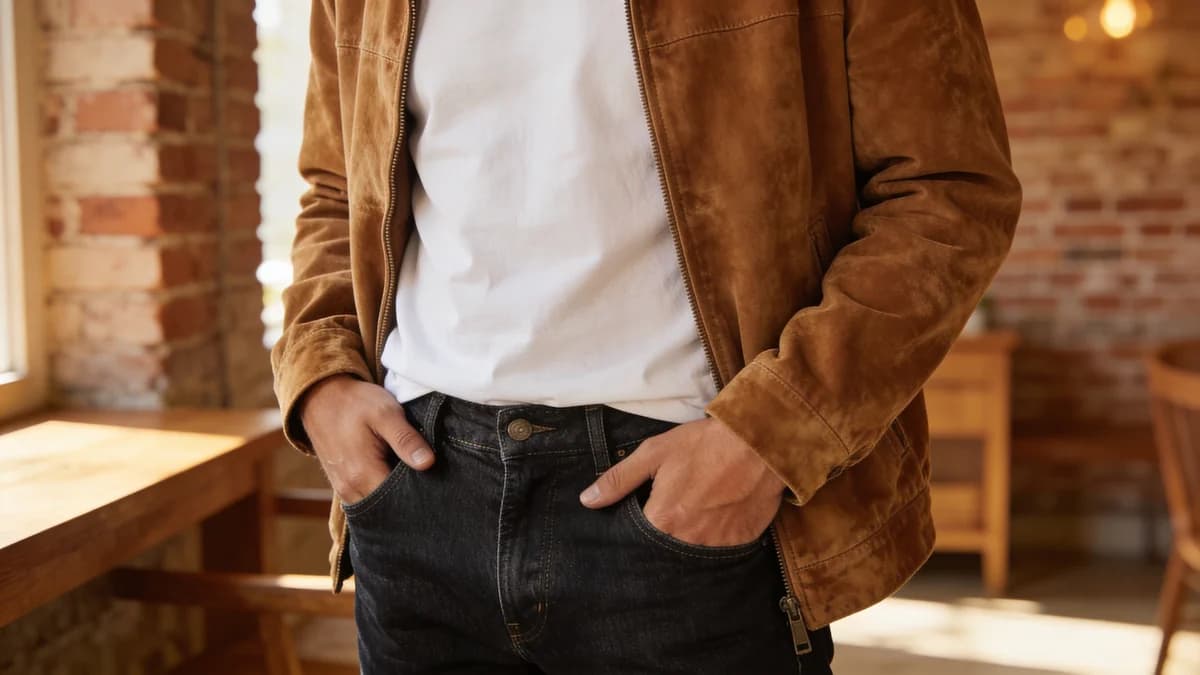
The rule works because contrast creates intention. A 1970s suede fringe jacket over a plain white t-shirt and modern slim jeans reads as deliberate and curated. That same jacket over bell-bottoms, a peasant blouse, and platform shoes reads as a Halloween outfit.
The Vintage-Modern Balance Table
| Vintage Piece | Modern Pairing | Why It Works |
|---|---|---|
| 70s suede jacket | White tee + modern jeans | Texture contrast, era contrast |
| 80s oversized blazer | Fitted tank + slim trousers | Structure against sleek modernity |
| 90s slip dress | Leather jacket + chunky sneakers | Feminine against edge |
| Y2K mini bag | Minimalist outfit in neutrals | Pop of personality on clean canvas |
| Vintage band tee | Tailored trousers + loafers | Casual against polished |
| 70s flared jeans | Modern crop knit + clean sneakers | One retro silhouette, rest is current |
| Vintage silk scarf | Modern blazer + jeans | Subtle vintage accent, big impact |
Putting the Rule Into Practice
Weekend brunch: Vintage oversized cardigan + modern fitted jeans + clean white sneakers. The cardigan does all the vintage work while everything else anchors the outfit in the present.
Office casual: Vintage structured blazer + modern crew-neck tee + tailored trousers. The blazer's shoulder shape and fabric whisper vintage without screaming it, and it pairs naturally with pieces from your everyday casual wardrobe.
Evening out: Vintage silk blouse + modern high-waisted black trousers + heeled boots. The blouse's fabric and print carry the vintage weight. Everything else is timeless.
Era-by-Era Vintage Fashion Guide: What to Look for in Each Decade
Not all vintage is equally wearable. Some decades produce pieces that slot directly into a modern wardrobe. Others require more styling effort. This era-by-era breakdown ranks the best vintage clothing eras by versatility and identifies the specific pieces worth hunting for.
1970s: The Most Versatile Vintage Era
Why it works in 2026: The 70s aesthetic features earth tones, natural textures, and relaxed silhouettes that align perfectly with current fashion. Eva Trends reports that boho-inspired elements like peasant blouses, maxi skirts, fringe jackets, and suede vests are seeing a massive resurgence in 2026.
Best 70s vintage pieces to hunt for:
- Suede jackets and vests: The texture is impossible to replicate cheaply. Vintage suede has a patina that new versions lack
- Wrap dresses: Universally flattering and seasonless. Diane von Furstenberg's original wraps from this era are highly collectible
- Flared and wide-leg jeans: High-waisted with genuine denim weight that modern reproductions rarely match
- Earth-toned knitwear: Chunky cardigans and sweater vests in rust, mustard, olive, and cream
70s Vintage Outfit Formula: Vintage suede vest + modern white button-down + modern straight-leg jeans + ankle boots + leather belt
1980s: Best for Statement Pieces and Outerwear
Why it works in 2026: The 80s power dressing revival focuses on strong silhouettes and structured outerwear. According to GlamStyled's 2026 trend report, shoulder pads and bold colors are making a comeback with a more refined, gender-fluid approach, pairing strong silhouettes with minimalist accessories and earthier tones.
Best 80s vintage pieces to hunt for:
- Oversized blazers: Double-breasted with padded shoulders. The original construction quality surpasses most modern versions
- Leather jackets: Bomber and moto styles from the 80s feature heavier leather and better hardware
- Statement earrings and jewelry: Gold-toned, geometric, bold. These accessories transform any outfit
- High-waisted trousers: Pleated, wide-leg, often in quality wool blends
80s Vintage Outfit Formula: Vintage oversized blazer + modern fitted tank top + modern tailored trousers + minimalist sneakers + one statement earring
1990s: The Minimalist Foundation
Why it works in 2026: The 90s produced the cleanest, most modern-looking vintage pieces. Rue Sophie's 2026 style analysis defines 90s minimalism as clean lines, neutral palettes, straight-leg denim, slip dresses, simple tanks, and leather blazers, all of which remain wardrobe staples today.
Best 90s vintage pieces to hunt for:
- Slip dresses: Bias-cut silk or satin. Layer under or over modern pieces for year-round wear
- Leather blazers: Oversized, boxy cuts that work as jackets. Quality 90s leather is significantly thicker than current fast-fashion alternatives
- Straight-leg and mom jeans: The original high-waisted cuts that inspired every modern reproduction
- Simple knit tops: Ribbed tanks, mock-neck sweaters, fitted crew-necks in muted tones
90s Vintage Outfit Formula: Vintage slip dress + modern leather jacket + chunky sneakers + minimal gold jewelry
Y2K Era (Late 1990s-Early 2000s): Playful and Trend-Forward
Why it works in 2026: Y2K fashion brings energy and fun to a wardrobe built on basics. The aesthetic features futuristic materials, metallics, and that synthetic holographic shine from new-millennium optimism. Demand for Y2K styles is growing at approximately 15% annually through 2026.
Best Y2K vintage pieces to hunt for:
- Mini bags and accessories: Baguette bags, tiny sunglasses, butterfly clips
- Low-rise denim: Returned as a styling option for those who want it (pair with cropped tops)
- Mesh and sheer layers: Mesh tops, sheer overlays. Layer over modern basics
- Logo pieces: Brand-heavy items from this era now carry ironic, nostalgic value
Y2K Vintage Outfit Formula: Vintage logo tee + modern high-waisted wide-leg jeans + Y2K mini bag + platform sneakers
Thrift Shopping Tips for Beginners: A Strategic Approach
Thrift shopping without a strategy is how people end up with bags of cheap impulse buys they never wear. The difference between a productive vintage hunt and a wasted Saturday is preparation. These thrift store strategies are built on what experienced vintage shoppers actually do.
Before You Walk In: The Preparation Checklist
1. Know your gaps. Before entering any thrift store, review your current wardrobe and identify what is missing. Looking for a quality blazer? A suede jacket? A specific color? Going in with a target prevents aimless browsing. Tools like Klodsy's capsule wardrobe planner can help you identify exactly which pieces would multiply your outfit options.
2. Understand your measurements. Vintage sizing is inconsistent. A 1970s size 8 is roughly equivalent to a modern size 2-4. A 1990s medium runs smaller than a 2026 medium. Bring a tape measure and know your bust, waist, hip, and inseam measurements. This single step eliminates 80% of fitting room disappointment.
3. Dress for efficiency. Wear fitted, easy-to-remove clothing. A simple tank and leggings let you try pieces quickly, sometimes over your existing outfit if fitting rooms are occupied.
Inside the Store: What to Examine
Fabric composition is the strongest quality indicator. Check the label before evaluating anything else.
| Fabric | What It Signals | Worth Buying? |
|---|---|---|
| 100% wool | Quality construction, durability | Almost always yes |
| 100% silk | Luxury piece, timeless | Yes, if no stains |
| 100% cotton (heavy) | Workwear quality, durable | Yes |
| Cotton/polyester blend | Mass production, less durable | Only if design is exceptional |
| 100% polyester | Often fast fashion | Rarely, unless vintage designer |
| Cashmere or cashmere blend | High-value find | Yes, inspect for pilling |
Construction quality checks:
- Seams: Finished edges, not raw or fraying. French seams indicate quality
- Buttons: Material buttons (horn, shell, metal) versus plastic
- Zippers: YKK or metal zippers outperform plastic
- Lining: Lined garments indicate higher original quality
- Labels: Union-made labels, ILGWU tags, or country-of-origin labels help date pieces
Strategic Timing and Location
According to the National Association of Resale Professionals, thrift store inventory turns over fastest on Monday and Tuesday mornings, after weekend donations are processed and shelved. Shopping during these windows gives you first access to fresh stock.
Location strategy: Thrift stores in affluent neighborhoods consistently stock higher-quality items. Donated wardrobes from higher-income households contain more designer labels, natural fiber garments, and well-maintained pieces.
Pricing awareness: Most thrift stores use color-coded tags that rotate to discount status weekly. Learning your local store's tag rotation schedule can reduce prices by 25-50% on items that would have been full price the previous week.
Vintage Wardrobe Essentials: The Starter Collection
You do not need a closet full of vintage to have vintage style. Five strategically chosen vintage pieces, integrated with your existing modern wardrobe, create dozens of outfit combinations that feel curated and intentional.
The Five Foundation Vintage Pieces
1. A vintage leather or denim jacket. This is the single most versatile vintage purchase you can make. A quality vintage leather jacket or denim jacket works over dresses, tees, blouses, and sweaters across all four seasons. The leather on a 1980s moto jacket has developed a patina that no new jacket can replicate, and the denim on a 1990s trucker jacket has a weight and character that modern fast-fashion denim cannot match.
2. A quality wool or cashmere sweater. Vintage knitwear is often made from heavier, higher-quality yarns than contemporary equivalents. A 1970s cable-knit fisherman sweater or a 1990s cashmere crew-neck provides warmth, texture, and an obvious quality difference that people notice even if they cannot articulate why.
3. High-waisted trousers or jeans. Vintage high-waisted bottoms predate the modern trend revival and offer superior fabric weight, construction, and fit. A pair of 1990s Levi's 501s or 1980s pleated wool trousers anchors dozens of outfits and pairs with virtually any top in your closet.
4. A structured blazer. The vintage blazer, particularly from the 1980s or early 1990s, features construction details that have largely disappeared from affordable modern clothing: canvas interlining, horn buttons, fully lined interiors, and padded shoulders that create a strong silhouette. It works for work, weekends, and evening, making it one of the highest-versatility pieces you can own.
5. A silk scarf or statement accessory. Vintage accessories carry the lowest risk and highest visual impact for beginners. A printed silk scarf from any decade works as a neck accessory, hair tie, bag accent, or belt. Vintage brooches, belt buckles, and quality sunglasses add personality to modern outfits without requiring size matching.
Starter Combination Table
| Vintage Piece | Modern Pairings | Outfits Created |
|---|---|---|
| Leather jacket | 5+ tops, 4+ bottoms, dresses | 15-20 combinations |
| Wool sweater | 4+ bottoms, layered under jackets | 8-12 combinations |
| High-waisted trousers | 5+ tops, 3+ layers | 10-15 combinations |
| Structured blazer | 5+ tops, 4+ bottoms | 15-20 combinations |
| Silk scarf | Adds to any of the above outfits | Multiplier across all |
Total from just five vintage pieces: 48-67 new outfit combinations with your existing wardrobe. That is the power of strategic vintage shopping.
The Sustainability Case for Vintage Clothing
Vintage clothing is not just a style choice. It is a sustainability decision with measurable environmental impact. The fashion industry accounts for 10% of global carbon emissions, and the secondhand market offers a direct alternative to the production-heavy cycle of new clothing manufacturing.
According to ThredUp's 2025 Resale Report, the global secondhand apparel market is expected to reach $367 billion by 2029, growing at a compound annual growth rate of 10%. That growth is not accidental. Consumers are connecting their purchasing decisions to their environmental values.
Stella McCartney, a pioneer in sustainable luxury fashion, has stated: "The future of fashion must be circular. Vintage and secondhand clothing represent the simplest form of circularity: extending the life of garments that already exist rather than producing new ones."
The numbers behind vintage sustainability:
| Impact Area | New Garment | Vintage Alternative | Savings |
|---|---|---|---|
| Water usage | ~700 gallons per t-shirt | 0 gallons (already produced) | 100% |
| Carbon emissions | ~33 lbs CO2 per garment | 0 (already produced) | 100% |
| Landfill contribution | 85% end up in landfills | Diverted from landfill | Direct reduction |
| Chemical use | Dyeing, finishing, treating | No additional processing | 100% |
The connection between vintage style and sustainability has also driven growth in eco-friendly fashion movements for families, where secondhand and vintage shopping extends to children's wardrobes as well.
Common Vintage Styling Mistakes and How to Avoid Them
These six mistakes are what separate someone who "wears old clothes" from someone who "has incredible style."
1. Going full-decade costume. The fix: one vintage piece per outfit, maximum two if they are from different eras. A 70s jacket with 90s jeans creates eclectic style. A full 70s outfit creates a costume.
2. Ignoring fit. Vintage sizing is wildly inconsistent. A piece that looked great on the hanger but fits poorly on you will sit unworn. Budget $15-30 for tailoring on key vintage finds. Hemming trousers, taking in a blazer waist, or adjusting sleeve length transforms a "close enough" vintage piece into a "perfect" one.
3. Neglecting garment condition. Small stains, loose buttons, or minor tears are fixable and worth buying around. Moth holes in wool, permanent discoloration, broken zippers, or structural damage are not. Learn the difference before you spend.
4. Hoarding instead of curating. The thrill of the hunt leads many vintage shoppers to accumulate pieces they never wear. Apply the same capsule wardrobe principles to your vintage collection: does this piece pair with at least five items you already own? If not, pass.
5. Ignoring proportion. Vintage silhouettes often run extreme: very wide legs, very padded shoulders, very fitted waists. Balance extreme vintage proportions with modern counterparts. Wide-leg vintage trousers need a fitted modern top. An oversized vintage blazer needs slim bottoms.
6. Overlooking accessories as an entry point. Many beginners think vintage means vintage clothing. Some of the highest-impact vintage finds are accessories: scarves, belts, jewelry, sunglasses, and bags. These require no size matching, cost less, and transform modern outfits instantly.
Vintage Outfit Formulas by Occasion
These copy-and-adapt formulas eliminate the guesswork from vintage styling. Each combines one or two vintage elements with modern basics for a look that reads as intentional, not random.
Casual Weekend
Women: Vintage band tee + modern high-waisted jeans + clean sneakers + vintage belt Men: Vintage flannel shirt (open, layered) + modern fitted tee + straight-leg jeans + boots
Smart Casual / Date Night
Women: Vintage silk blouse + modern tailored trousers + heeled boots + minimal jewelry Men: Vintage blazer + modern crew-neck tee + dark jeans + leather shoes + vintage watch
Office Appropriate
Women: Vintage structured blazer + modern blouse + tailored trousers + loafers + vintage brooch Men: Vintage wool trousers + modern button-down + leather belt + dress shoes
Festival or Concert
Women: Vintage crochet top + modern denim shorts + cowboy or ankle boots + layered vintage jewelry Men: Vintage graphic tee + modern cargo pants + sneakers + vintage sunglasses
For more occasion-based outfit inspiration across seasons, vintage pieces work as accent items in nearly every category.
How Klodsy Helps You Build a Vintage-Modern Wardrobe
The hardest part of vintage style is not finding great pieces. It is figuring out how to wear them with what you already own. This is where AI outfit planning bridges the gap between a bag of thrift store finds and a cohesive wardrobe.
Klodsy's AI analyzes your existing clothes alongside your vintage additions and surfaces combinations you would not think to try. Upload a 1970s suede jacket and the AI will pair it with modern pieces from your closet that create balanced, wearable outfits. The virtual try-on feature lets you test whether a vintage find actually works with your wardrobe before committing to the purchase.
Practical applications for vintage shoppers:
- Gap analysis: See exactly which vintage pieces would multiply your outfit options based on what you already own
- Era mixing: The AI balances vintage and modern proportions, preventing the costume effect
- Color coordination: Match vintage pieces with your existing color palette for cohesive styling
- Occasion planning: Tell Klodsy you need a casual weekend look or a date night outfit, and get suggestions that incorporate your vintage finds naturally
Ready to see how your vintage finds work with your existing wardrobe? Try Klodsy free to upload your clothes, test vintage combinations with virtual try-on, and build a vintage-modern wardrobe that is uniquely yours.
Your Vintage Style Starting Point
Vintage clothing style is a skill that improves with practice. You do not need to overhaul your wardrobe overnight. Start with one strategic vintage piece, one that fills a gap in your current closet, and style it using the one-vintage-piece rule.
Carry these principles forward:
- One vintage piece per outfit creates style. A full vintage outfit creates a costume
- Fabric quality and construction matter more than brand or era
- Thrift strategically: know your measurements, your wardrobe gaps, and your store's restocking schedule
- Tailoring is the secret weapon that makes vintage fit like it was made for you
- Vintage is inherently sustainable, and every secondhand purchase is a choice that benefits both your style and the planet
The secondhand market is projected to reach $74 billion in the U.S. alone by 2029. The vintage movement is not a passing trend. It is a fundamental shift in how people think about clothing: from disposable to durable, from mass-produced to individually curated, from trend-chasing to style-building.
Your next step: Visit a local thrift store this week with your measurement card and a list of three wardrobe gaps. Walk out with one quality vintage piece and style it three different ways before your next visit. That is how a vintage wardrobe begins.
Related Articles
What to Wear Golfing: Dress Code Guide for Every Course
What to wear golfing for women and men, from public courses to country clubs. Golf dress codes, outfit formulas, tournament attire, and seasonal tips.
Minimalist Style Guide: How to Dress With Intention
Master minimalist style with outfit formulas, color palettes, and design principles. Learn to build a minimalist aesthetic that looks expensive and effortless.
Street Style Outfits: Your Complete Guide for 2026
Master street style outfits with layering formulas, sneaker pairings, and 2026 streetwear trends. Practical urban outfit ideas for beginners and beyond.
Frequently Asked Questions
Everything you need to know about this topic
Follow the one-vintage-piece rule: anchor your outfit with one statement vintage item, then ground everything else in modern basics. A 70s suede jacket works over a plain white tee and modern jeans. The contrast between eras is what creates a styled look rather than a costume.