
What to Wear to Yoga: Complete Outfit Guide 2026
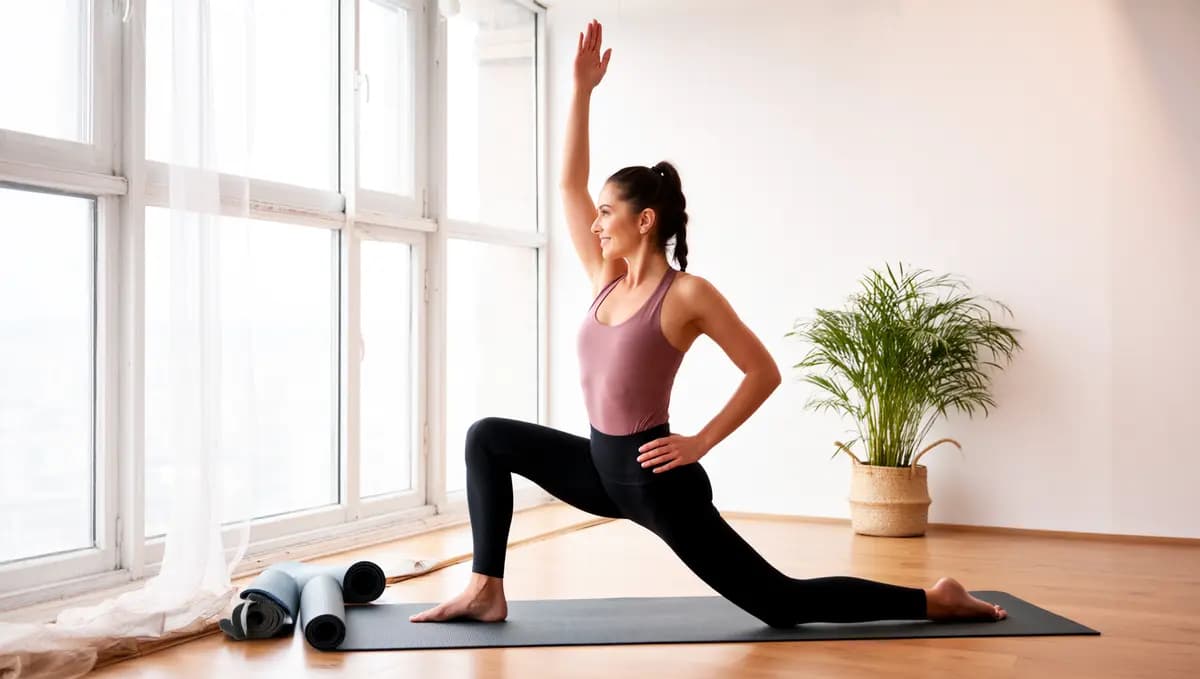
What to Wear to Yoga: Your Complete Outfit Guide for Every Style
Walking into your first yoga class wondering if you're dressed appropriately is a universal experience. The reality is that what you wear to yoga directly impacts your practice—the wrong outfit can distract you, restrict movement, or even cause wardrobe malfunctions during inversions.
The good news? Once you understand the basics of yoga attire, dressing for class becomes simple. Whether you're flowing through Vinyasa, sweating through Bikram, or relaxing in Yin, there's an optimal outfit formula for every yoga style.
This guide covers everything you need to know about what to wear to yoga in 2026. We'll explore outfit requirements for different yoga types, break down fabric science, provide ready-to-copy outfit formulas for both men and women, and help you avoid the most common yoga wardrobe mistakes.
Quick Guide: What to Wear to Yoga
Before we dive deep, here's the essential checklist for any yoga class:
Do Wear:
- Fitted, stretchy clothing that moves with you
- Moisture-wicking fabrics (especially for heated classes)
- High-waisted bottoms that stay in place
- Supportive sports bra (medium to high impact)
- Layers you can remove as you warm up
Don't Wear:
- Loose, baggy clothing that falls over your head in inversions
- 100% cotton (absorbs sweat, becomes heavy)
- Jewelry that can catch or distract
- Zippers, buttons, or hardware that digs into skin
- Strong perfumes or lotions (shared studio space)
The Universal Rule: If your clothes require constant adjustment, they're not right for yoga.
Understanding Different Yoga Styles and Their Clothing Needs
Not all yoga is created equal, and neither are yoga outfits. What works perfectly for a gentle Yin class might be completely wrong for hot yoga. Here's how to dress for each major style:
Vinyasa and Flow Yoga
The style: Continuous movement linking breath to poses. Moderate to intense physical activity with frequent transitions between standing, seated, and inverted positions.
What to wear:
- Bottoms: Full-length leggings or capris with four-way stretch
- Tops: Fitted tank top or form-fitting t-shirt
- Support: Medium-impact sports bra
- Fit: Close to body but not restrictive
Why it matters: Vinyasa involves constant movement and transitions. Loose clothing will shift, bunch, and distract you. You need fabric that moves seamlessly with your body through sun salutations, warriors, and inversions.
Pro tip: Choose leggings with a gusseted crotch for better range of motion in wide-legged poses.
Hot Yoga and Bikram
The style: Practiced in rooms heated to 95-105°F (35-40°C). Intense sweating is expected and intentional. Bikram follows a specific 26-pose sequence; hot yoga varies by studio.
What to wear:
- Bottoms: Shorts, capris, or moisture-wicking leggings
- Tops: Sports bra alone, fitted tank, or moisture-wicking shirt
- Support: High-impact sports bra (sweat adds weight)
- Fabric: Quick-dry, moisture-wicking synthetics only
Why it matters: You will sweat more than you've ever sweated. Cotton becomes a heavy, clingy mess. Synthetic moisture-wicking fabrics pull sweat away from your skin and dry quickly. Less clothing means less fabric to become saturated.
Pro tip: Bring a change of clothes. You'll want dry clothes for after class. Also bring a yoga towel—your mat will become slippery with sweat.
Yin and Restorative Yoga
The style: Slow, passive stretching with poses held for 3-5 minutes or longer. Minimal physical exertion. Focus on relaxation and deep connective tissue release.
What to wear:
- Bottoms: Comfortable leggings, joggers, or even loose pants
- Tops: Comfortable t-shirt, long-sleeve, or cozy layer
- Support: Low-impact sports bra or comfortable bralette
- Extras: Warm layers (socks, light sweater)
Why it matters: Without active movement generating heat, you'll cool down quickly. Comfort takes priority over performance. You're holding passive positions, so fitted clothing matters less—but avoid anything with buttons or seams that dig in when you're lying still.
Pro tip: Bring warm socks. Your feet get cold when you're not moving, and cold feet make relaxation difficult.
Power Yoga and Ashtanga
The style: Physically demanding, athletic yoga with strength-building sequences. Expect to sweat, hold challenging poses, and build serious heat.
What to wear:
- Bottoms: Performance leggings or fitted shorts with compression
- Tops: Fitted tank or performance t-shirt
- Support: High-impact sports bra
- Fit: Athletic, close-fitting, nothing loose
Why it matters: Power yoga is a workout. Treat it like one. You need supportive, performance-oriented clothing that can handle intense movement, sweat, and challenging poses like arm balances and deep backbends.
Pro tip: High-waisted leggings with a wide waistband prevent slipping during core work and inversions.
The Complete Yoga Fabric Guide
The fabric of your yoga clothes matters more than brand or price. Here's what to look for and what to avoid:
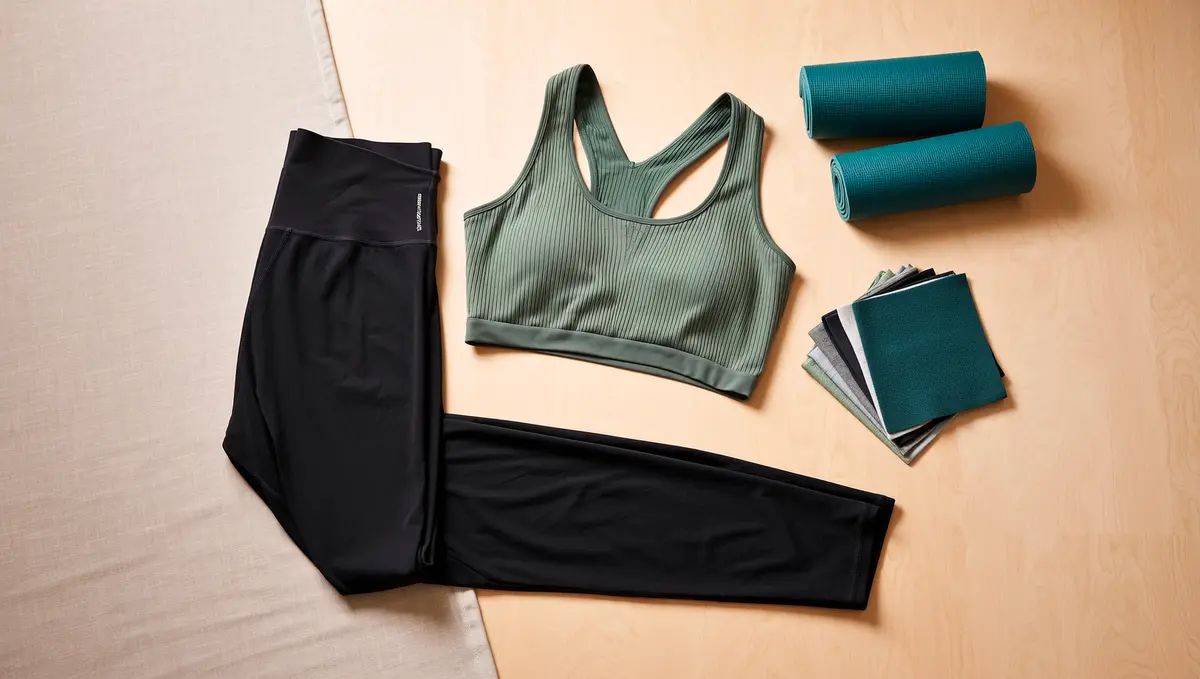
Best Fabrics for Yoga
Nylon/Spandex Blends:
- Excellent stretch and recovery
- Smooth against skin
- Moisture-wicking
- Durable and maintains shape
- Best for: All yoga styles
Polyester/Elastane Blends:
- Quick-drying
- Lightweight
- Affordable
- Good moisture management
- Best for: Hot yoga, power yoga
Bamboo Blends:
- Naturally moisture-wicking
- Soft and comfortable
- Temperature regulating
- Eco-friendly option
- Best for: Yin, restorative, gentle yoga
Merino Wool Blends:
- Natural temperature regulation
- Odor-resistant
- Moisture-wicking
- Soft against skin
- Best for: Outdoor yoga, temperature variations
Fabrics to Avoid
100% Cotton:
- Absorbs sweat instead of wicking it
- Becomes heavy and clingy when wet
- Takes forever to dry
- Can cause chafing
- Exception: Light cotton is fine for very gentle, non-heated classes
Non-Stretch Fabrics:
- Restricts movement
- Can tear during deep stretches
- Uncomfortable for yoga poses
- Avoid: Denim, non-stretch polyester, stiff materials
Fabric Features That Matter
Four-Way Stretch: Fabric stretches both horizontally and vertically, moving with your body in all directions. Essential for yoga.
Moisture-Wicking: Pulls sweat away from skin to the fabric's surface where it can evaporate. Keeps you dry and comfortable.
Quick-Dry: Fabric dries rapidly after getting wet. Important for hot yoga and sweaty practices.
Compression: Gentle pressure that supports muscles and improves circulation. Good for intense practices.
Opacity: Fabric remains non-see-through when stretched. Test leggings by bending over—if you can see through them, find a better pair.
Yoga Outfit Formulas That Work
Stop overthinking your yoga wardrobe. Here are complete outfit formulas you can copy for each yoga style:
Vinyasa Flow Formula
Women:
- High-waisted full-length leggings (nylon/spandex blend)
- Fitted racerback tank top
- Medium-impact sports bra
- Hair tie for ponytail or bun
- Optional: Light zip-up hoodie for before/after
Men:
- Fitted athletic shorts (7-9 inch inseam) with liner
- Moisture-wicking fitted t-shirt or tank
- Optional: Compression shorts underneath
Hot Yoga Formula
Women:
- High-waisted shorts or capris
- Sports bra (can be worn alone) or fitted crop tank
- Hair tie plus headband for sweat
- Yoga towel for mat
- Change of clothes for after
Men:
- Short athletic shorts (5-7 inch inseam)
- Fitted tank top or go shirtless (studio dependent)
- Headband for sweat
- Yoga towel for mat
- Change of clothes for after
Yin/Restorative Formula
Women:
- Comfortable full-length leggings or joggers
- Soft long-sleeve shirt or oversized t-shirt
- Low-impact bralette or sports bra
- Warm socks
- Light cardigan or wrap for warmth
Men:
- Comfortable joggers or loose athletic pants
- Soft long-sleeve shirt or comfortable t-shirt
- Warm socks
- Light hoodie or pullover
Power Yoga Formula
Women:
- High-waisted performance leggings (compression)
- Fitted tank with built-in bra or separate high-impact sports bra
- Moisture-wicking fabric throughout
- Hair secured away from face
Men:
- Performance shorts with compression liner
- Fitted moisture-wicking tank or t-shirt
- Headband if needed for sweat
Women's Yoga Outfit Guide
Women have the widest range of yoga clothing options. Here's how to build a functional yoga wardrobe:
Leggings: The Foundation
What to look for:
- High waistband (at least 3 inches) that stays put
- Four-way stretch for full range of motion
- Gusseted crotch for comfort in wide stances
- Squat-proof opacity (do the bend test before buying)
- Flatlock seams to prevent chafing
Length options:
- Full-length: Best for most yoga, provides coverage
- 7/8 length: Hits above ankle, popular choice
- Capri: Good for hot yoga, warm weather
- Shorts: Best for hot yoga, personal preference
Sports Bras: Support Matters
Impact levels by yoga style:
- High impact: Hot yoga, power yoga, Ashtanga
- Medium impact: Vinyasa, flow, general classes
- Low impact: Yin, restorative, gentle stretching
Features to consider:
- Moisture-wicking fabric
- Wide straps that don't dig in
- Smooth seams
- Removable padding (optional)
- Racerback for full arm movement
Tops: Fitted vs. Flowy
Fitted tanks and tees:
- Stay in place during inversions
- Don't expose you during forward folds
- Allow instructors to see your alignment
- Best for active, flowing practices
Looser tops:
- More comfortable for some body types
- Work well for gentle, slow practices
- Choose cropped versions to avoid bunching
- Pair with high-waisted bottoms
Use Klodsy to visualize different yoga outfit combinations before purchasing. Upload potential items to see how they work together and ensure coverage during various poses.
Men's Yoga Outfit Guide
Men's yoga clothing is straightforward but requires attention to a few key details:
Shorts vs. Pants
Athletic shorts:
- Most common choice for yoga
- Choose fitted over baggy (prevents riding up)
- 7-9 inch inseam provides good coverage
- Built-in liner or compression shorts underneath recommended
- Avoid: Basketball shorts, loose running shorts
Joggers or fitted pants:
- Good for cooler studios or outdoor yoga
- Choose athletic fabric, not cotton sweats
- Tapered leg prevents catching on feet
- Good for restorative and Yin classes
Tops for Men
Fitted t-shirts:
- Moisture-wicking fabric
- Stays tucked during inversions
- Allows instructor to see alignment
- Best for beginners and most classes
Tank tops:
- Greater arm freedom
- Cooler for hot classes
- Choose fitted over loose
- Standard for power and hot yoga
Going shirtless:
- Acceptable in hot yoga (studio dependent)
- Check studio policy first
- Bring a towel for mat and sweat
Compression and Support
Why compression helps:
- Provides muscle support
- Prevents chafing
- Offers coverage during inversions
- Keeps everything in place during movement
Where to use compression:
- Shorts with built-in compression liner
- Compression shorts under loose shorts
- Compression leggings for cooler practices
Layering for Studio vs. Outdoor Yoga
Your layering strategy depends entirely on where you're practicing:
Studio Yoga Layering
Arriving at the studio:
- Wear a light layer over your yoga clothes
- Zip-up hoodie or pullover you can easily remove
- Studios vary in temperature before class starts
During practice:
- Start with an extra layer for warm-up
- Remove as body temperature rises
- Keep a layer nearby for savasana (final relaxation)
After practice:
- Have a dry layer ready
- You may feel chilled after cooling down
- Change clothes if you sweated heavily
Outdoor Yoga Layering
Morning outdoor classes:
- Start with more layers (cooler temperatures)
- Remove as the sun rises and you warm up
- Bring a light jacket in case of wind
Evening outdoor classes:
- Temperature may drop during practice
- Keep warm layers accessible
- Consider the ground temperature (extra layer to sit/lie on)
Park or beach yoga:
- Dress for unpredictable conditions
- Layer with easy-on/off pieces
- Consider sun protection (light long sleeves)
Layering pieces that work:
- Light zip-up hoodie (easy removal)
- Wrap cardigan (stays out of the way)
- Cropped pullover
- Arm warmers (keep core cool, warm extremities)
What NOT to Wear to Yoga
Avoid these common yoga wardrobe mistakes:
Loose, Baggy Clothing
The problem: Falls over your face in downward dog, forward folds, and inversions. Constantly requires adjustment. Hides your alignment from instructors.
What to wear instead: Fitted or semi-fitted pieces that stay in place. If you prefer looser fits, choose cropped tops that won't flip over.
100% Cotton (Especially for Hot Yoga)
The problem: Absorbs sweat and becomes heavy, clingy, and uncomfortable. Takes forever to dry. Can cause chafing when wet.
What to wear instead: Moisture-wicking synthetic blends or performance fabrics designed for exercise.
Jewelry and Accessories
The problem: Rings can scratch the mat or your face. Necklaces swing and distract. Bracelets catch on clothing. Earrings can get caught.
What to wear instead: Remove all jewelry before class. Simple stud earrings are generally fine.
Zippers, Buttons, and Hardware
The problem: Metal zippers dig into skin during lying poses. Buttons press into your body. Hardware can scratch wooden floors or damage mats.
What to wear instead: Pull-on pieces with no hardware. If you need a jacket, choose one with a smooth zipper you'll remove before practice.
Underwear With Visible Lines
The problem: Creates visible panty lines under leggings. Can shift and become uncomfortable during movement.
What to wear instead: Seamless underwear, thongs, or go commando with squat-proof leggings that have a gusseted crotch.
Heavy Perfume or Scented Lotions
The problem: Strong scents in an enclosed studio can trigger headaches, allergies, or breathing difficulties for others. Yoga involves deep breathing in close proximity to others.
What to do instead: Skip perfume on yoga days. Use unscented or lightly scented products. Save the fragrance for after class.
Socks and Shoes (Usually)
The problem: Yoga is traditionally practiced barefoot for grip, balance, and connection to the mat. Shoes are never worn. Socks reduce grip.
When socks are okay: Grip socks with rubber dots can work for those with medical conditions, sensory issues, or extreme cold. Some restorative classes allow socks during relaxation.
How Klodsy Helps You Plan Yoga Outfits
Klodsy's AI-powered tools make planning your yoga wardrobe easier:
Virtual Try-On for Activewear
See how yoga clothes look before buying:
- Visualize how leggings and tops fit your body
- Test different color combinations
- Check coverage and fit virtually
- Avoid returns on activewear purchases
Outfit Planning for Class
Plan your complete yoga look:
- Coordinate tops, bottoms, and layers
- Create outfits for different yoga styles
- Save favorite combinations for quick reference
- Build a versatile yoga capsule wardrobe
Mix and Match Your Existing Pieces
Get more from what you already own:
- Upload your current activewear
- See new combination possibilities
- Identify gaps in your yoga wardrobe
- Shop intentionally for missing pieces
Final Checklist: Before Your Yoga Class
Use this checklist to ensure you're ready:
- Outfit appropriate for yoga style (hot, flow, restorative)
- Fitted enough to stay in place during inversions
- Moisture-wicking fabric for active classes
- High-waisted bottoms that won't slip down
- Sports bra with appropriate support level
- Layers for temperature changes
- Jewelry removed
- No strong perfumes or scented lotions
- Hair secured away from face
- Change of clothes packed (for hot yoga)
- Yoga towel if needed
Conclusion: Dress for Your Best Practice
The right yoga outfit disappears when you're practicing. You shouldn't be thinking about your clothes—you should be focused on your breath, your poses, and your practice.
Key takeaways:
- Match your outfit to your yoga style (hot yoga needs different clothes than Yin)
- Fitted beats loose for most yoga practices
- Moisture-wicking fabrics outperform cotton
- High-waisted bottoms stay in place during movement
- Remove jewelry and skip the perfume
- Layer strategically for temperature changes
Remember: The best yoga outfit is one you don't have to think about once class begins. Start with the formulas in this guide, adjust based on your preferences, and focus on what matters—your practice.
Ready to plan your yoga wardrobe? Use Klodsy's virtual try-on to visualize activewear combinations, test how pieces look and fit, and build a yoga wardrobe that supports your practice.
Related Articles
What to Wear to Pilates: Complete Outfit Guide 2026
Discover what to wear to Pilates for mat, reformer, and wall classes. Learn about fabrics, fit requirements, grip socks, and outfit formulas for every Pilates type.
What to Wear to the Gym: Workout Outfit Guide 2026
Complete guide on what to wear to the gym for every workout. Gym outfit ideas for cardio, weightlifting, HIIT, and classes plus fabric and footwear tips.
What to Wear Running: Activewear Guide for Every Season
Discover what to wear running in any weather. Learn about running outfits for hot weather, cold weather, rain, and different temperatures. Get activewear recommendations, layering tips, and complete running gear guides.
Frequently Asked Questions
Everything you need to know about this topic
As a beginner, wear fitted but comfortable clothes that won't ride up or fall down during poses. Choose moisture-wicking leggings or yoga pants, a fitted tank or t-shirt, and a supportive sports bra for women. Avoid loose clothing that can bunch up during inversions.