
What to Wear to Court: Courtroom Attire Guide for Men & Women
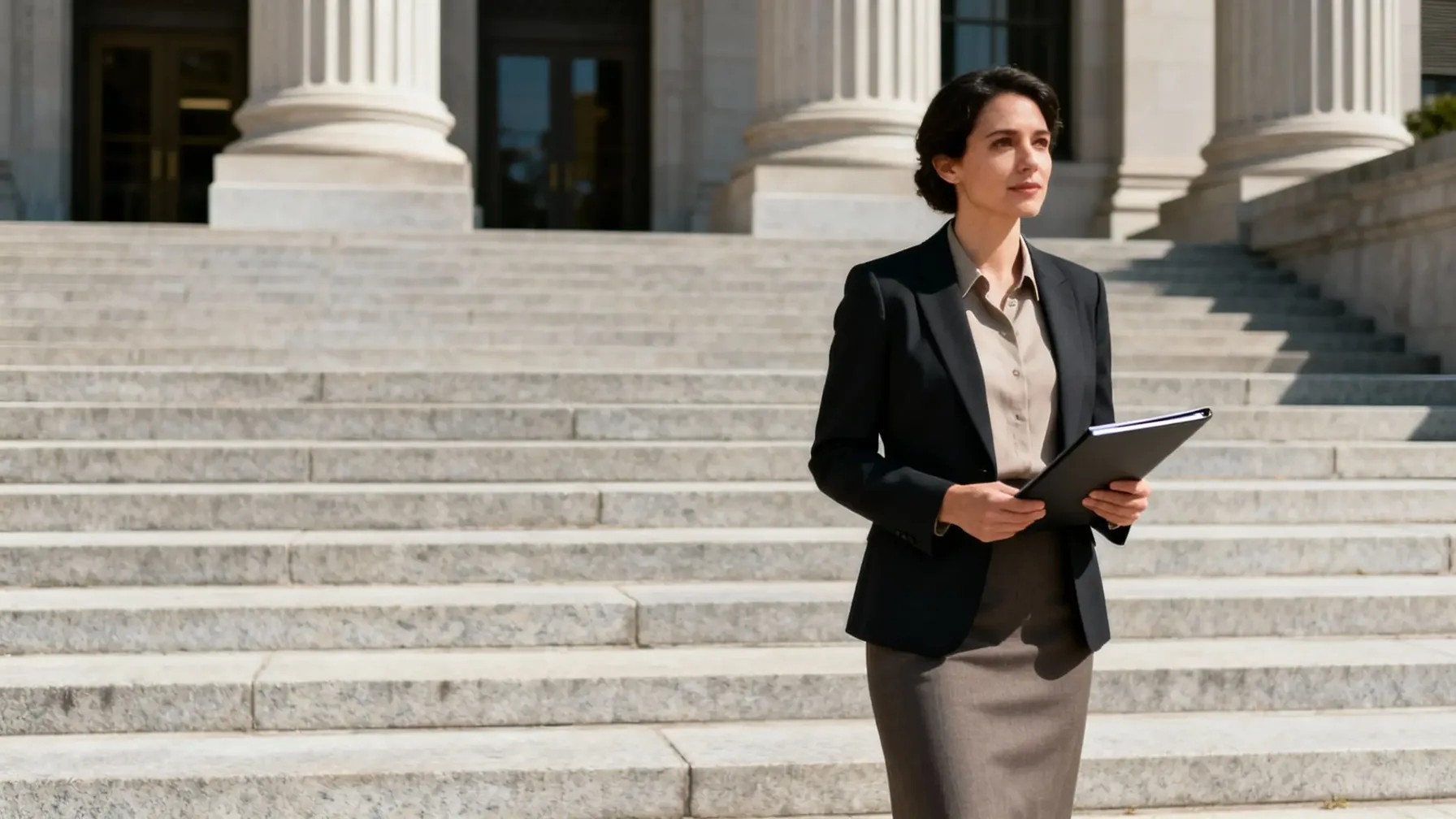
Quick summary:
- Professional, conservative attire shows respect
- Neutral colors (black, navy, gray) are safest
- Business casual to formal depending on court type
- Clean, pressed clothing essential
What to Wear to Court: Courtroom-Appropriate Outfit Guide
What you wear to court matters. Courtroom attire shows respect for the judicial process and can influence how seriously you're taken. While judges don't formally grade clothing, inappropriate attire can convey disrespect or lack of seriousness.
This guide covers appropriate courtroom clothing for men and women, seasonal considerations, and common mistakes to avoid. The goal: look professional, neat, and respectful without being flashy.
Why Court Outfits Matter
Court is a formal setting where first impressions matter. Your clothing sends a message about your respect for the process.
Why it matters:
- Shows seriousness about your case
- Demonstrates respect for the court
- Creates appropriate professional atmosphere
- Avoids distractions during proceedings
- Signals you understand the gravity of the situation
Psychological impact:
- Professional attire increases perceived competence
- Clean, neat appearance suggests responsibility
- Conservative clothing reduces visual distractions
- Appropriate dress shows cultural awareness
Judges and court staff notice attire, though it's rarely a deciding factor. Conservative, clean clothing helps your case by showing you take the situation seriously.
Understanding Different Court Types
Court formality varies by type and jurisdiction. Choose accordingly.
Traffic court:
- Least formal court setting
- Business casual often acceptable
- Clean, neat clothing still required
- Avoid anything too casual
Municipal/county court:
- Moderate formality
- Business casual to business formal
- Depends on specific judge preferences
- Check local court rules
Superior/state court:
- Higher formality expected
- Business formal attire recommended
- Suits and dresses common
- More conservative expectations
Federal court:
- Most formal setting
- Full business formal required
- Suits, ties, conservative dresses
- Strict dress code enforcement
Family court:
- Varies by case type (divorce vs. custody)
- Business casual often acceptable
- Clean, professional appearance key
- Avoid anything provocative
If → then quick guide:
- If traffic court → business casual acceptable
- If federal court → full business formal required
- If unsure → err on formal side
- If family court → professional but not overly formal
The Safe Color Palette
Colors convey different messages. For court, choose colors that say "serious" and "respectful."
Best colors:
- Black (classic, professional)
- Navy blue (trustworthy, calm)
- Gray (neutral, serious)
- White or light neutrals (for shirts/blouses)
- Beige or tan (subtle, professional)
Colors to avoid:
- Bright colors (red, yellow, bright blue)
- Neon or fluorescent shades
- White (can look stark or attention-seeking as main color)
- Patterns that distract (bold stripes, florals)
Why these colors: They convey seriousness and professionalism. The court is about justice, not fashion statements.
Color psychology in legal settings:
- Dark colors suggest authority and seriousness
- Neutral tones appear trustworthy and reliable
- Bright colors can seem frivolous or attention-seeking
- Conservative colors show respect for the institution
Women: Outfit Ideas
Women's court attire should be modest, professional, and comfortable for long periods of sitting.
8 outfit formulas:
-
Blouse and skirt: White or light blouse with knee-length pencil skirt. Simple, professional look. Add low heels and minimal jewelry.
-
Dress and cardigan: Modest sheath dress (knee-length) with neutral cardigan. Versatile for temperature changes. Ensure sleeves cover shoulders.
-
Pantsuit: Navy or gray pantsuit with white blouse. Classic business professional. Tuck in the blouse and ensure proper fit.
-
Blazer and slacks: Structured blazer over dress pants with button-up shirt. Authoritative yet approachable. Match blazer to pants color.
-
Simple dress: Dark-colored A-line dress with long sleeves. One-piece solution. Knee-length or longer for modesty.
-
Blouse and trousers: Crisp white blouse with tailored black trousers. Clean, polished appearance. Ensure blouse is tucked in.
-
Sweater set: Dark sweater over knee-length skirt with simple jewelry. For cooler courtrooms. Avoid anything too fitted.
-
Jacket and skirt: Professional jacket with matching skirt and low heels. Traditional court attire. Ensure coordinated colors.
Key elements:
- Modest necklines
- Knee-length hemlines
- Covered shoulders
- Closed-toe shoes
Comfort considerations:
- Choose wrinkle-resistant fabrics
- Ensure proper fit for sitting
- Select comfortable but professional shoes
Men: Outfit Ideas
Men's court attire focuses on traditional business wear that's neat and professional.
8 outfit formulas:
-
Full suit: Navy or gray two-piece suit with white dress shirt and tie. Most formal option. Ensure suit fits well and shirt is tucked in.
-
Blazer and slacks: Sports coat with dress pants and collared shirt. Less formal but professional. Coordinate colors carefully.
-
Dress pants and shirt: Gray or khaki pants with button-down shirt and optional tie. Business casual. Ensure shirt is tucked in.
-
Sweater and slacks: Dark sweater over dress shirt with wool pants. For casual courts. Keep sweater simple and professional.
-
Vest combination: Three-piece suit without the jacket. Professional with flexibility. Great for transitional weather.
-
Polo and dress pants: For very casual traffic courts, but still neat and pressed. Choose subtle polo colors.
-
Blazer alternative: Structured blazer with chinos and loafers. Modern professional. Ensure chinos are dark-colored.
-
Simple overcoat: Dark coat over basic suit pieces for outdoor court entrances. Remove indoors appropriately.
Key elements:
- Collared shirts
- Dress pants
- Closed shoes
- Minimal accessories
Professional tips:
- Shirts should be tucked in
- Ties properly knotted
- Shoes polished
- All clothing clean and pressed
Seasonal Considerations
Weather affects comfort, but professionalism remains key.
Summer Court Attire
Options:
- Lightweight fabrics: cotton, linen, light wool blends
- Short sleeves acceptable if modest
- Light blazer for air conditioning
- Breathable materials
- Closed-toe shoes still required
Avoid:
- Sleeveless tops without cover
- Shorts or capris
- Sandals or open-toe shoes
- Anything too casual
Winter Court Attire
Options:
- Warmer fabrics: wool, heavier cotton
- Layering with blazers or coats
- Professional outerwear
- Closed-toe shoes or boots
- Remove coats indoors
Tips:
- Plan for temperature changes
- Choose wrinkle-resistant layers
- Professional coat for outdoor entrances
What NOT to Wear to Court
Certain items are inappropriate and can convey disrespect.
Never wear:
- Jeans (even dark or dressy ones)
- Sneakers or athletic shoes
- Shorts or short skirts
- Tank tops or sleeveless shirts
- Low necklines or revealing clothing
- Hats (remove upon entering)
- Sunglasses (remove indoors)
- Strong perfumes/colognes
- Jewelry that makes noise
- Anything wrinkled, stained, or torn
Avoid if possible:
- Logos or branded clothing
- Bright patterns or colors
- Overly casual items
- Anything too tight or revealing
- Distracting accessories
Why these matter: Court is a serious environment. Inappropriate clothing can appear disrespectful or unserious.
Last-Minute Checklist
Before entering court:
- Clothes clean, pressed, and wrinkle-free
- Neutral colors only
- Closed-toe shoes polished
- Minimal, simple accessories
- Modest coverage (no exposed skin)
- Professional fit (not too tight/baggy)
- Remove hats and sunglasses
- Check specific court requirements
- Plan for weather/comfort
Conclusion: Professionalism and Respect in Court
Court attire balances formality with comfort. Choose conservative, professional clothing that shows respect for the judicial process. When in doubt, dress more formally than you think necessary.
Need help planning professional outfits quickly? Klodsy helps you visualize appropriate clothing combinations for important occasions. See how different pieces work together, plan complete court-appropriate looks, and feel confident in your choices. Try it free to ensure you look professional and respectful.
Explore our guides on what-not-to-wear, mens-wear-guide, and winter-wear-guide for more professional styling tips.
Frequently Asked Questions
Everything you need to know about this topic
No, jeans are not appropriate for court appearances. They are considered too casual and may convey disrespect. Opt for dress pants, khakis, or skirts instead. Dark-colored, well-fitting pants in neutral colors are best. Save jeans for less formal settings.