
What to Wear to a Wedding: Guide for Every Type
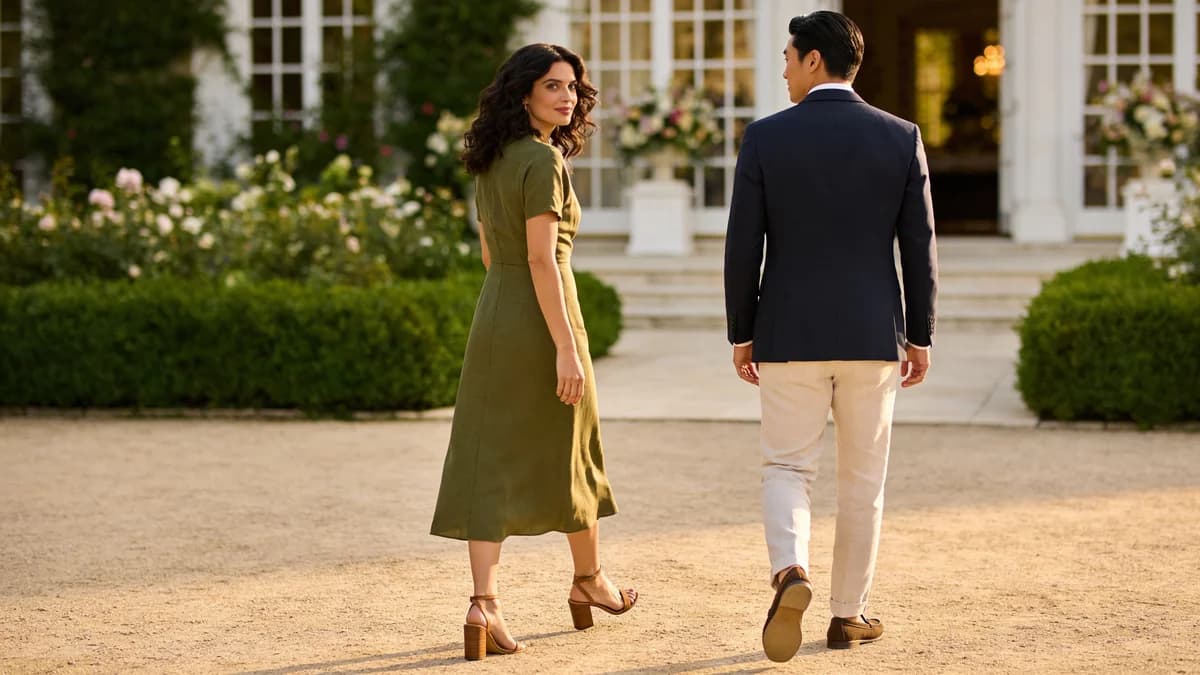
What to Wear to a Wedding: A Guide for Every Venue and Dress Code
Figuring out what to wear to a wedding sounds simple until the invitation arrives and you realize you are choosing between a beachfront ceremony in Tulum, a black-tie ballroom in Manhattan, or a barn reception in Vermont. The venue, dress code, and setting shape your outfit far more than the calendar date alone.
This guide breaks the decision down by wedding type so you can land on the right outfit regardless of where the couple says "I do." If you are looking for seasonal guest-specific advice, our wedding guest style guide for 2026 covers that angle in depth.
Why Venue and Setting Matter More Than Season
A July wedding in an air-conditioned hotel ballroom calls for a completely different outfit than a July wedding on a Hawaiian beach. Season is one input, but venue type is the real driver of formality, fabric, and footwear.
A common mistake is dressing for the weather without considering the venue. A summer black-tie wedding still requires formal attire, regardless of temperature.
Before you start pulling clothes from your closet, answer three questions:
- What is the venue type? (Beach, garden, ballroom, barn, restaurant, resort)
- What does the invitation say about dress code? (Black tie, cocktail, semi-formal, casual, or nothing at all)
- Will you be indoors, outdoors, or both?
Those three answers narrow your choices faster than any trend guide. For a deeper look at how dress codes translate into specific garments, our formal outfit and dress code guide walks through each tier.
Beach Wedding Outfits
Beach weddings require a balance between elegance and practicality. Sand, wind, and sun all influence what works and what becomes a regret.
Fabric is the most important decision. Linen, cotton voile, and lightweight chiffon drape well, breathe in heat, and do not cling when humidity rises. Avoid anything heavily structured or lined since stiff fabrics trap heat and restrict movement on uneven ground.
For women, a flowy midi or maxi dress in a light color handles most beach ceremonies. A wrap dress travels well, resists wrinkles, and adjusts to different body types. Jumpsuits in relaxed cuts also work, provided the fabric is light enough. Footwear should be flat sandals, low wedges, or dressy espadrilles. Stilettos sink into sand and are best left at home. For more warm-weather outfit thinking, our beach outfit guide covers casual and dressy options.
For men, a linen suit in a light neutral (stone, sand, pale blue) without a tie is the standard. A linen button-down with chinos and loafers works for casual beach ceremonies. Skip dark wool suits entirely.
Beach wedding outfit formula (women): Linen or chiffon midi dress + low wedge sandals + minimal gold jewelry + light wrap for breeze
Beach wedding outfit formula (men): Unstructured linen blazer + linen trousers + open-collar shirt + leather loafers (no socks)
Garden and Outdoor Wedding Outfits
Garden weddings at estates, vineyards, and parks sit somewhere between casual and semi-formal. The terrain is the wildcard: grass, gravel, cobblestone, and uneven ground all punish thin heels.
Midi dresses in seasonal prints, elegant separates (a silk cami with a tailored skirt), and structured jumpsuits all fit the setting. Fabrics with some body, like crepe or mid-weight silk, hold their shape better outdoors than very lightweight materials that blow around in wind.
Block heels, wedges, and pointed-toe flats are the practical footwear choices. If you love heels, bring heel protectors (small caps that widen the base) for walking on grass.
For men, a suit in a mid-weight fabric works, but the tie is often optional for garden settings. A blazer with tailored trousers in coordinating but non-matching tones (navy blazer, gray trousers) reads polished without feeling overly stiff. The goal is to look intentional without looking rigid.
Our smart casual outfit guide covers the principles of dressing in that middle register.
Garden wedding outfit formula (women): Floral or solid midi dress in crepe + block-heel sandals + structured clutch + light cardigan for evening
Garden wedding outfit formula (men): Navy blazer + light chinos + white or pastel shirt + suede loafers
Formal and Black-Tie Wedding Outfits
Formal weddings in ballrooms, hotels, and event venues leave the least room for interpretation. The invitation typically states "Black Tie," "Black Tie Optional," or "Formal," and each label has a specific meaning.
Black tie means floor-length gowns or sophisticated cocktail dresses for women and tuxedos for men. Black tie optional relaxes that slightly: a knee-length cocktail dress or a tailored dark suit are both acceptable. Formal (without the "black tie" prefix) generally calls for the same level of polish as black tie optional.
Fabric weight matters here. Silk, satin, velvet, and crepe signal formality. Cotton, linen, and jersey do not, regardless of the garment's silhouette. Color choices lean toward richer tones: navy, emerald, burgundy, black, and deep plum all read as appropriately elevated.
Cocktail attire means a knee-length or midi dress for women and a dark suit with a tie for men. It is not the same as "dressy casual."
Formal wedding outfit formula (women): Floor-length or midi dress in silk or crepe + heeled sandals or pumps + statement earrings + small clutch
Formal wedding outfit formula (men): Dark suit (charcoal or navy) + white dress shirt + silk tie + polished oxfords
Casual and Rustic Wedding Outfits
Barn weddings, backyard receptions, brewery celebrations, and restaurant ceremonies all fall into the casual-to-semi-formal range. The temptation is to under-dress, but even the most relaxed wedding asks for something a step above your everyday clothes.
For women, a sundress, a printed midi skirt with a blouse, or tailored wide-leg pants with a nice top all work. Fabrics can be lighter and patterns more playful (gingham, small florals, botanical prints). Flat sandals, mules, or ankle boots are all appropriate depending on the venue surface.
For men, chinos or cotton trousers with a button-down shirt handle most casual settings. A blazer is optional but adds polish. Skip the tie. Clean sneakers (white leather, minimal design) are often accepted at casual weddings, though loafers remain safer.
If you are unsure whether your outfit lands in the right register, our daily outfit ideas guide covers the building blocks of dressing well for any occasion.
Casual wedding outfit formula (women): Cotton or linen midi dress + flat sandals or mules + woven bag + layered delicate necklaces
Casual wedding outfit formula (men): Chinos + linen or oxford button-down + leather belt + loafers or clean sneakers
Destination Wedding Outfits
Destination weddings add a packing constraint on top of every other consideration. You are traveling with limited luggage, possibly across climates, and often attending multiple events over a long weekend (welcome dinner, ceremony, brunch).
Prioritize wrinkle-resistant fabrics: jersey, knit, travel-grade crepe, and performance blends. A single midi dress in a solid color can cover the ceremony, and the same dress paired with a denim jacket can work for the welcome dinner. Versatility is the strategy.
Pack pieces that do double or triple duty. A silk slip dress works for the ceremony with heels and for a beach dinner with flat sandals.
If the destination is tropical, lean on the beach wedding guidance above. If it is a European city wedding, default to the formal section. For mountain or countryside destinations, the garden/outdoor rules apply.
Destination wedding packing list (women): 1 ceremony dress + 1 versatile dress for other events + 1 pair of heels + 1 pair of flat sandals + wrinkle-free layers + simple jewelry that mixes across outfits
Destination wedding packing list (men): 1 suit (separates for mixing) + 2 dress shirts + 1 casual button-down + dress shoes + casual loafers + 1 tie (optional)
Winter Wedding Outfits
Winter weddings are almost always indoors, which means the ceremony itself is temperature-controlled. The challenge is the transition: getting from the car to the venue, outdoor photos, and moving between spaces.
Rich fabrics like velvet, brocade, and heavy silk are both seasonally appropriate and visually striking. Jewel tones (emerald, sapphire, ruby, deep amethyst) photograph beautifully against winter backdrops. Dark neutrals (black, charcoal, midnight navy) are equally fitting.
Layering is the practical concern. A tailored wool coat, a faux-fur stole, or an elegant pashmina keeps you warm during transitions without disrupting the outfit underneath. Closed-toe shoes (pumps, ankle boots, or heeled booties) handle cold and wet conditions better than open sandals.
For men, a heavier-weight suit in dark wool is ideal. A vest or waistcoat adds warmth under the jacket without bulk. Overcoats in navy, charcoal, or camel are appropriate outerwear.
If you are attending a spring wedding and want seasonal outfit ideas beyond weddings, our spring outfit ideas for 2026 covers lighter-weather dressing.
Winter wedding outfit formula (women): Velvet or heavy silk midi/maxi dress in a jewel tone + closed-toe heels or ankle boots + statement earrings + tailored coat or wrap
Winter wedding outfit formula (men): Dark wool suit + vest + white or light blue dress shirt + silk tie + polished dress shoes + wool overcoat
Colors That Work (and the Ones to Skip)
Color choice at weddings carries social weight that does not apply to other events. A few rules are nearly universal:
Skip white, ivory, cream, and champagne. These shades belong to the couple. Even a print with a predominantly white background can photograph as solid white and attract unwanted attention.
Red is divisive. In Western weddings, bold red can read as attention-seeking. In many Asian cultures, red is celebratory and expected. Know your audience.
Safe, universally flattering choices include navy, sage green, dusty rose, slate blue, mauve, terracotta, and soft lavender. These work across seasons, venue types, and skin tones. If you struggle to identify which colors suit you personally, Klodsy's color analysis feature can help you narrow down shades that complement your natural coloring.
Patterns are welcome at most weddings outside of black-tie events. Florals, subtle geometrics, and tonal textures all add visual interest without crossing any social lines.
Common Outfit Mistakes at Weddings
Even well-intentioned guests trip on these recurring missteps:
Ignoring the venue surface. Stilettos on grass, suede on a beach, and open-toed shoes in snow all create problems that are avoidable with a moment of planning.
Over-interpreting "casual." A casual dress code still expects polish. Jeans, graphic tees, and athleisure are not wedding-appropriate unless the couple specifically says so.
Matching the bridal party. If you know the bridesmaid dresses are dusty blue, steer away from that exact shade. You do not want to look like a misplaced member of the wedding party in photos.
Under-planning for weather transitions. Indoor ceremonies often include outdoor photo sessions, cocktail hours on patios, or walks between buildings. A jacket, wrap, or pashmina eliminates the shiver-in-photos problem.
Buying an entirely new outfit without testing it. Trying on combinations from clothes you already own often produces better results than a rushed shopping trip. Tools like Klodsy let you visualize outfit combinations on yourself before committing, which saves both money and last-minute stress.
Forgetting comfort. Weddings are long events. Shoes you cannot stand in, fabrics that itch, or garments that require constant adjusting will overshadow any style points. Choose pieces you can eat, dance, and sit in comfortably.
Related Articles
Black Boots Outfits: Ankle, Knee-High and Over the Knee
Black boots outfits by height: ankle, knee-high and over the knee. The hem, trouser and heel that work with each, plus the mistakes that shorten your leg.
Leather Jacket Outfits: 20 Looks Beyond the Biker Cliché
Leather jacket outfits that don't read as costume: 20 looks for dinner, errands, concerts and work, plus fit rules, colors past black and faux vs real.
Jumpsuit Outfits: 20 Looks From Work to Wedding Guest
Jumpsuit outfits for every occasion: 20 ways to style one for work, weekends and weddings, plus how to fix the fit, the length and the bathroom problem.
Frequently Asked Questions
Everything you need to know about this topic
Yes, black is welcome at most weddings, especially evening, formal, and cocktail-attire events. Pair it with colorful accessories to keep the look celebratory. The only exception is ultra-casual daytime weddings where black may feel heavy.