
What to Wear Skiing: Complete Ski Outfit Guide 2026
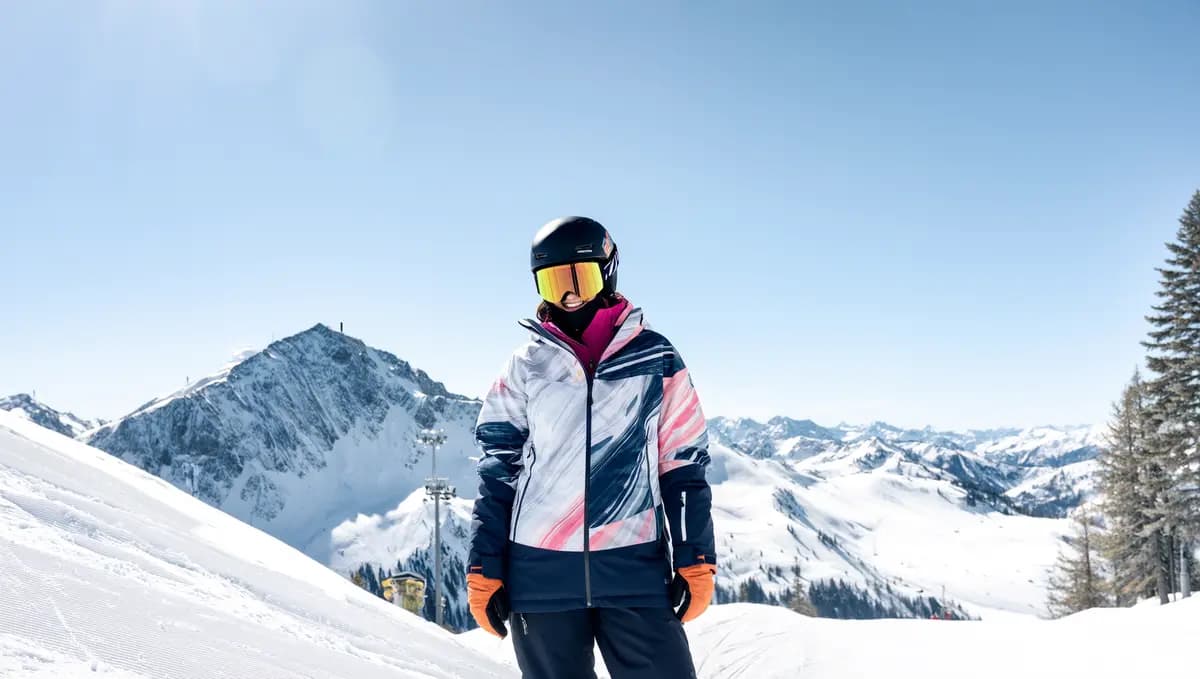
What to Wear Skiing: The Complete Ski Outfit Guide for 2026
Planning your first ski trip but unsure what to wear? You're not alone. According to ski industry data, over 65% of first-time skiers feel overwhelmed by ski clothing requirements, with many making costly mistakes that ruin their experience on the slopes.
The challenge with ski clothing is unique: You need gear that keeps you warm in freezing temperatures, dry despite snow and sweat, mobile enough for athletic movements, and protected from wind and elements. Get it wrong, and you'll spend your expensive ski day cold, wet, and miserable.
This complete guide covers everything you need to know about what to wear skiing in 2026. From the essential layering system to specific fabric recommendations, beginner tips to advanced skier needs, and even what to wear for apres-ski, we'll ensure you're perfectly dressed for the slopes.
"My first ski trip was almost ruined because I wore cotton layers under my jacket. By lunch, I was soaking wet and freezing. Once I learned proper ski layering, everything changed. Now I can ski all day in comfort." — James R., Recreational Skier, Colorado
The Ski Layering System: Foundation of Ski Clothing
The layering system is the most important concept in ski clothing. Unlike regular winter wear, skiing demands clothing that handles extreme temperature variations—from standing in lift lines to intense physical exertion while skiing.
The three-layer system for skiing:
- Base Layer: Wicks moisture away from your skin
- Mid Layer: Provides insulation and warmth
- Outer Layer: Protects against wind, snow, and water
Why layering works for skiing:
- Temperature regulation: Add or remove layers based on conditions
- Moisture management: Sweat moves away from your body through layers
- Versatility: Same gear works for different weather conditions
- Efficiency: Thin layers trap air better than one thick layer
The key is each layer working together. If one layer fails (like cotton that absorbs moisture), the whole system breaks down. Let's examine each layer in detail.
Base Layer: The Foundation of Ski Comfort
Your base layer is worn directly against your skin and has one critical job: keep you dry by wicking moisture away from your body.
Best Materials for Ski Base Layers
Merino Wool (Highly Recommended):
- Natural temperature regulation
- Wicks moisture effectively
- Antimicrobial—doesn't retain odors
- Warm even when damp
- Soft against skin
- Price: $50-150 per piece
Synthetic (Polyester/Polypropylene):
- Excellent moisture wicking
- Dries very quickly
- Lightweight
- More affordable than merino
- Can develop odors with extended wear
- Price: $25-80 per piece
Silk:
- Lightweight and comfortable
- Good for mild conditions
- Less durable than wool or synthetic
- Best as a supplementary layer
- Price: $40-100 per piece
What to Avoid in Base Layers
Cotton is the enemy of ski comfort. When you sweat (and you will sweat while skiing), cotton absorbs moisture and holds it against your skin. This makes you cold, clammy, and miserable. The outdoor saying "cotton kills" exists for a reason.
Also avoid:
- Regular underwear (wear technical underwear)
- Loose-fitting base layers (should fit snugly)
- Heavy, thick base layers (thin is more effective)
Base Layer Fit
Your base layer should fit snugly against your skin without restricting movement. Think athletic compression wear—close-fitting but comfortable. Loose base layers create air pockets that reduce moisture-wicking efficiency.
Base layer checklist:
- Long-sleeve top (merino or synthetic)
- Long underwear/leggings (merino or synthetic)
- Technical underwear (moisture-wicking)
- Ski socks (merino wool, thin to medium weight)
Mid Layer: Your Insulation Engine
The mid layer traps body heat to keep you warm. This is where you adjust for temperature—adding or removing insulation based on conditions.
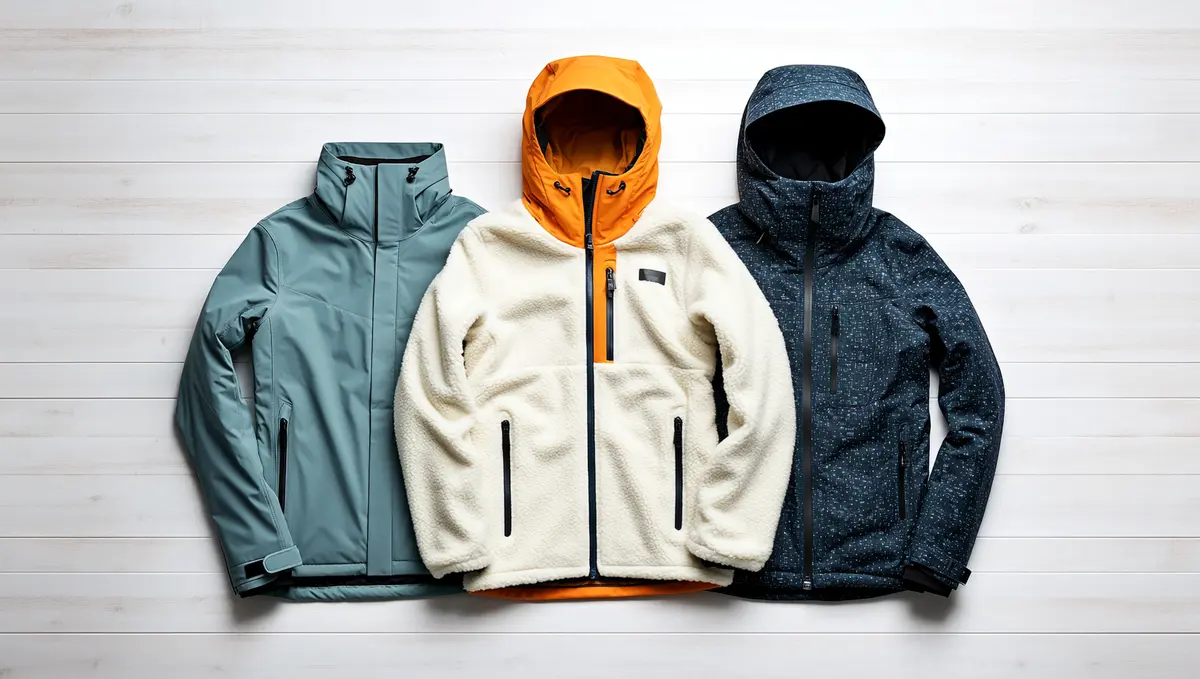
Mid Layer Options
Fleece (Most Popular):
- Excellent warmth-to-weight ratio
- Breathable
- Dries quickly
- Range of weights (100-300 weight)
- Affordable and durable
- Price: $40-150
Down:
- Best warmth-to-weight ratio
- Highly compressible
- Loses insulation when wet
- Best for cold, dry conditions
- Lightweight
- Price: $100-300
Synthetic Insulation:
- Maintains warmth when wet
- More durable than down
- Slightly heavier than down
- Good for variable conditions
- Price: $80-250
Wool Sweater:
- Natural warmth
- Breathable
- Stylish for resort skiing
- Heavier than fleece
- Price: $60-200
Choosing Mid Layer Weight
Light fleece (100-weight) or thin down:
- Warmer days (above 25°F / -4°C)
- High-intensity skiing
- Spring conditions
Medium fleece (200-weight) or standard down:
- Average ski conditions (10-25°F / -12 to -4°C)
- Most common choice
- Good balance of warmth and mobility
Heavy fleece (300-weight) or thick down:
- Very cold conditions (below 10°F / -12°C)
- Low-intensity skiing
- Standing in lift lines in extreme cold
Pro tip: Bring multiple mid-layer options on your ski trip. Weather changes, and having a light and heavy option gives you flexibility.
Outer Layer: Your Weather Shield
Your outer layer (ski jacket and ski pants) protects you from wind, snow, and water while allowing moisture vapor to escape from inside.
Ski Jacket Features to Look For
Essential features:
- Waterproof rating: Minimum 10,000mm, 15,000-20,000mm preferred
- Breathability: Minimum 10,000g, higher for intense skiing
- Sealed seams: Prevents water from entering through stitching
- Powder skirt: Keeps snow out when you fall
- Pit zips: Ventilation for temperature regulation
- Hood: Helmet-compatible for storm conditions
- Pockets: Secure pockets for essentials
Jacket types:
- Shell jacket: No insulation, maximum versatility (use with mid-layers)
- Insulated jacket: Built-in insulation, convenient but less versatile
- 3-in-1 jacket: Removable insulated liner, maximum flexibility
Ski Pants Features to Look For
Essential features:
- Waterproof rating: Same as jacket (10,000mm minimum)
- Breathability: Allows sweat vapor to escape
- Reinforced cuffs: Resists damage from ski edges
- Boot gaiters: Prevents snow from entering boots
- Thigh vents: Temperature regulation
- Articulated knees: Mobility for skiing movements
Pants types:
- Shell pants: No insulation, pair with base layer
- Insulated pants: Built-in warmth, less versatile
- Bib pants: Extended coverage, no snow gap at waist
Essential Ski Accessories
Beyond the three layers, accessories complete your ski outfit and protect exposed areas.
Head Protection
Helmet (Essential):
- Protects from impacts and falls
- Provides warmth
- Most resorts strongly recommend helmets
- Look for adjustable ventilation
- Must fit properly—try before buying
Goggles (Essential):
- Protects eyes from wind, snow, and UV rays
- Improves visibility in flat light
- Choose lens color based on conditions:
- Yellow/gold: Low light, cloudy, snowy
- Rose/pink: Variable conditions
- Dark/mirror: Bright, sunny days
- Ensure compatibility with helmet
Balaclava or Neck Gaiter:
- Protects face and neck from cold
- Essential in very cold or windy conditions
- Merino wool or synthetic options
Hand Protection
Ski Gloves vs. Mittens:
- Gloves: Better dexterity, slightly less warm
- Mittens: Warmer (fingers share heat), less dexterity
- Both work—personal preference
Glove features:
- Waterproof outer
- Insulation (down or synthetic)
- Long cuff (goes over jacket sleeve)
- Wrist leash (prevents losing on lift)
Consider glove liners: Thin liner gloves add warmth and give you something to wear when removing outer gloves.
Ski Socks
Proper ski socks are crucial:
- Merino wool or synthetic (never cotton)
- Thin to medium thickness (thick socks reduce circulation)
- Knee-high length (protects shin from boot)
- No wrinkles (causes pressure points)
One pair is enough: Wearing two pairs of socks restricts circulation and makes feet colder, not warmer.
What to Wear Skiing in Different Conditions
Cold Weather Skiing (Below 15°F / -9°C)
Layer up for maximum warmth:
- Heavy base layer (merino wool)
- Thick mid-layer (heavy fleece or puffy down)
- Insulated ski jacket
- Insulated ski pants
- Warm gloves or mittens
- Balaclava or face protection
- Hand and toe warmers as backup
Mild Weather Skiing (25-40°F / -4 to 4°C)
Balance warmth with ventilation:
- Light to medium base layer
- Light mid-layer (thin fleece or none)
- Shell jacket (use pit zips for ventilation)
- Shell or lightly insulated pants
- Lighter gloves
- Neck gaiter (optional)
Spring Skiing (Above 40°F / 4°C)
Focus on sun protection and ventilation:
- Light base layer only
- Shell jacket (may remove for warm afternoons)
- Shell pants
- Light gloves
- Sunscreen (high SPF, snow reflects UV)
- Sunglasses or lighter-tint goggles
Snowy/Stormy Conditions
Prioritize water resistance:
- Standard layering system
- Ensure jacket hood fits over helmet
- Goggles with storm lens (yellow/gold)
- Neck gaiter or balaclava
- Waterproof gloves
- Check all zippers and closures
What NOT to Wear Skiing: Common Mistakes
Avoid these common ski clothing mistakes that ruin many skiers' days:
Never Wear Cotton
Cotton absorbs moisture and loses all insulating properties when wet. This applies to:
- Cotton t-shirts as base layers
- Cotton underwear
- Cotton socks
- Jeans (cotton denim)
- Cotton hoodies
Cotton gets wet from sweat, stays wet, and makes you cold. This is the number one mistake beginners make.
Avoid Jeans and Regular Pants
Jeans are completely unsuitable for skiing:
- No waterproofing (snow melts through)
- No insulation (no warmth)
- Restricted movement (can't ski properly)
- Heavy when wet (uncomfortable)
- No protection from falls
Don't Wear Street Clothes as Layers
Your regular hoodie or sweater might seem fine, but:
- Not designed for moisture management
- Wrong materials for athletic activity
- May restrict movement
- Won't work with the layering system
Avoid Overly Bulky Clothing
More isn't always better:
- Restricts movement needed for skiing
- Causes overheating and excessive sweating
- Thin, technical layers work better
- Mobility is essential for skiing technique
Don't Forget Exposed Areas
Common oversights:
- Bare neck (cold air enters jacket)
- Exposed wrists (gap between gloves and jacket)
- No sunscreen (snow reflects UV)
- Wrong socks (causes cold feet and blisters)
Beginner Skier Outfit Guide
New to skiing? Here's exactly what you need to get started without overspending:
Essential Items (Must Have)
Clothing:
- 1-2 moisture-wicking base layers (top and bottom)
- 1 insulating mid-layer (fleece is most affordable)
- Ski jacket (rent if unsure about continuing)
- Ski pants (rent if unsure)
- 2-3 pairs ski socks (merino wool)
- Ski gloves
Equipment (Rent First):
- Skis, boots, poles
- Helmet (some rentals include)
- Goggles (can purchase affordable pair)
Nice to Have (Add Later)
- Multiple mid-layer options
- Balaclava or neck gaiter
- Glove liners
- Hand warmers
- Higher-end goggles with multiple lenses
Beginner Budget Tips
Save money without sacrificing comfort:
- Rent ski jacket and pants for first trip
- Buy quality base layers (reusable for any cold weather)
- Look for end-of-season sales
- Check ski swap events for used gear
- Focus spending on layers closest to skin
Use Klodsy to visualize different ski outfit combinations before purchasing, ensuring pieces work together and match your style.
Advanced Skier Considerations
Experienced skiers have different needs based on skiing style:
Backcountry/Touring
- Prioritize breathability (high exertion)
- Shell layers only (adjust with lighter mid-layers)
- Technical fabrics throughout
- Packable layers for changing conditions
- Consider avalanche safety gear
Resort/Groomed Runs
- Balance of warmth and mobility
- Insulated jacket acceptable
- Comfort for lift rides
- Style considerations
Powder Days
- Waterproofing is critical
- Bib pants prevent snow entry
- Powder skirt essential
- Face protection for deep snow
Complete Ski Outfit Checklist
Print or save this checklist for your ski trip:
Base Layer
- Moisture-wicking long-sleeve top
- Moisture-wicking long underwear
- Technical underwear
- Ski socks (2-3 pairs)
Mid Layer
- Fleece or down jacket
- Light fleece (for warm days)
- Heavy fleece (for cold days)
Outer Layer
- Ski jacket
- Ski pants
Accessories
- Helmet
- Goggles (with appropriate lens)
- Ski gloves or mittens
- Neck gaiter or balaclava
- Glove liners (optional)
- Hand/toe warmers (backup)
- Sunscreen (SPF 30+)
- Lip balm with SPF
Optional Extras
- Ski backpack
- Action camera mount
- Spare goggles lens
Apres-Ski Outfits: What to Wear After Skiing
Apres-ski (French for "after ski") is the social tradition of relaxing after a day on the slopes. Your outfit should transition from function to comfort and style.
Apres-Ski Essentials
Comfortable bottoms:
- Fleece-lined leggings
- Comfortable jeans or joggers
- Cozy sweatpants (upscale venues may require jeans)
Warm tops:
- Cozy sweater
- Fleece pullover
- Casual button-down over thermal
Footwear:
- Warm, waterproof boots
- Insulated casual shoes
- Avoid ski boots (uncomfortable for walking)
Outerwear:
- Puffer jacket
- Casual down coat
- Warm parka
Apres-Ski Style Tips
- Bring a change of socks (dry feet feel amazing)
- Pack comfortable shoes in your ski bag
- Layer for walking between venues
- Consider the venue dress code (upscale lodge vs. casual bar)
Use Klodsy's outfit planner to create complete apres-ski looks that are both cozy and stylish.
How Klodsy Can Help Plan Your Ski Trip Outfits
Planning ski outfits involves many pieces that need to work together. Klodsy's AI-powered tools simplify this process:
Virtual Try-On for Ski Gear
- Visualize how ski layers look together
- Test color combinations for jackets and pants
- See how accessories coordinate
- Ensure everything matches your style
Outfit Planning for Multi-Day Trips
- Plan outfits for each ski day
- Mix and match layers efficiently
- Create backup options for weather changes
- Organize apres-ski looks
Packing Optimization
- Identify gaps in your ski wardrobe
- See what you already own that works
- Avoid overpacking with clear visual planning
- Ensure you have all essential items
Conclusion: Dress Right, Ski Better
The right ski outfit isn't about spending the most money—it's about understanding the layering system and choosing appropriate materials. With proper base layers, insulating mid-layers, and protective outer layers, you'll stay warm, dry, and comfortable all day on the slopes.
Key takeaways:
- Never wear cotton—moisture-wicking fabrics only
- Layer your clothing for temperature control
- Invest in quality base layers (they're reusable)
- Rent expensive outer layers until you're committed
- Don't forget accessories (helmet, goggles, proper socks)
- Prepare for weather changes with layer options
Whether you're a first-time skier or planning your 100th trip, proper ski clothing makes the difference between an amazing day and a miserable one. Use this guide to build your ski outfit, and consider using Klodsy to visualize and plan your complete ski wardrobe before hitting the slopes.
Ready to plan your perfect ski outfit? Try Klodsy's outfit planner to visualize your ski layers, ensure everything works together, and hit the slopes with confidence.
Related Articles
What to Wear Ice Skating: Cute & Warm Outfit Ideas
What to wear ice skating for indoor and outdoor rinks. Layering tips, cute date outfits, best fabrics, and what to avoid so you stay warm and move freely.
Winter Wear Guide: What Clothes to Wear in Winter to Stay Warm
What clothes do you usually wear in winter? Complete winter wear guide: Learn how to dress in cold weather, winter layering, fabrics, and AI-powered outfit planning to stay warm and stylish.
Frequently Asked Questions
Everything you need to know about this topic
Under your ski jacket, wear a moisture-wicking base layer (merino wool or synthetic) and an insulating mid-layer (fleece or down). This layering system keeps you warm and dry by wicking sweat away from your body while trapping heat.