
What to Wear Hiking: Trail Outfit Guide by Season
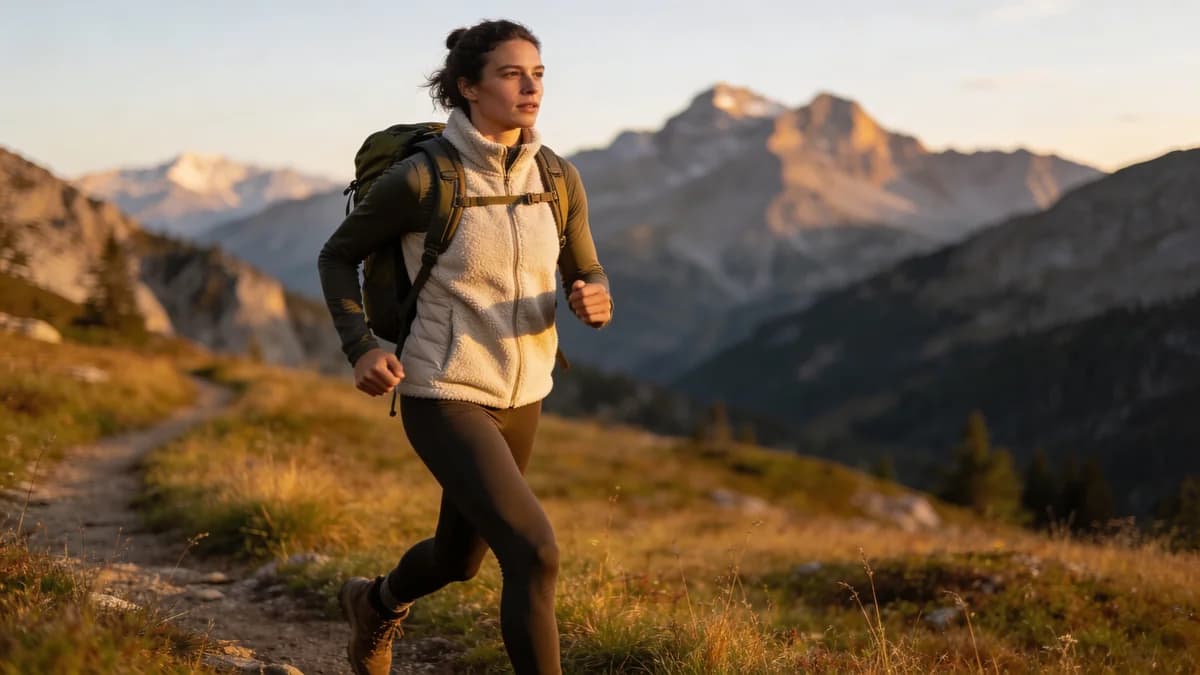
What to Wear Hiking: A Complete Trail Outfit Guide for Every Season
What to wear hiking matters more than most people realize, and the wrong outfit can turn a scenic day on the trail into a miserable experience. According to the Outdoor Industry Association's 2025 Outdoor Participation Trends Report, hiking participation reached an all-time high of 63.8 million Americans, yet search data shows "what to wear hiking" spikes every spring as millions of new and returning hikers face the same question before their first trail day of the year.
The challenge is that hiking clothing needs to handle shifting temperatures, changing weather, variable terrain, and sustained physical effort, all in a single outing. A morning that starts at 45 degrees on a shaded trailhead can feel like 75 degrees by midday on an exposed ridge. The outfit that keeps you comfortable across that range looks very different from what you would wear to the gym or for a casual run around your neighborhood.
This guide covers exactly what to wear hiking in every season, a proven layering system that works on any trail, outfit formulas for women and men, footwear recommendations by terrain, and the most common trail clothing mistakes to avoid.
"The number one gear mistake new hikers make is wearing cotton. It absorbs sweat, loses all insulation value when wet, and dramatically increases the risk of hypothermia in cool conditions." — Andrew Skurka, National Geographic Adventurer of the Year and professional backpacking guide
The Hiking Layering System: Three Layers for Every Trail
The three-layer system is the foundation of every good hiking outfit, from a casual spring day hike to a strenuous winter summit. Rather than relying on a single heavy jacket, layering lets you add and remove pieces as your body temperature and the weather change throughout the day. The American Alpine Club's education resources recommend this system for all hikers regardless of experience level.
Each layer serves a specific purpose, and understanding that purpose helps you choose the right clothing for any conditions.
| Layer | Purpose | Best Fabrics | Avoid |
|---|---|---|---|
| Base layer | Moisture management, wicks sweat from skin | Merino wool, synthetic polyester blends | Cotton, bamboo rayon |
| Mid layer | Insulation, traps warm air | Fleece, down, synthetic insulation, softshell | Denim, heavyweight cotton sweatshirts |
| Outer layer | Weather protection from wind and rain | Gore-Tex, eVent, hardshell nylon, DWR-treated softshell | Uncoated cotton, fashion windbreakers |
"Layering is not about wearing three of everything at once," explains Dr. Kate Hays, sport psychologist and author of multiple outdoor performance studies. "It is a decision-making framework. You start with your base layer and add only what conditions require, stripping layers before you start sweating."
The base layer sits directly against your skin and handles moisture. On a moderate hike, your body produces between 0.5 and 1.5 liters of sweat per hour (International Journal of Sports Medicine, 2023). A merino wool or synthetic base layer moves that moisture away from your skin so it can evaporate, keeping you dry and regulating your temperature. This single layer is the most important piece of hiking clothing you own.
The mid layer provides insulation. A lightweight fleece (like a Polartec 100-weight) works in mild conditions, while a puffy down or synthetic jacket handles cold weather. On spring and fall hikes where temperatures swing significantly, a quarter-zip fleece is ideal because you can vent heat without removing the layer entirely.
The outer layer protects against wind and precipitation. Even on clear days, carrying a packable rain shell weighing 6 to 10 ounces is standard practice among experienced hikers. Weather changes quickly at elevation, and hypothermia risk increases dramatically when wind hits wet clothing. A 2024 analysis by the National Park Service found that inadequate clothing was a contributing factor in 34% of backcountry rescue calls.
Hiking Clothes by Season: Temperature-Based Outfit Guide
The right hiking outfit shifts significantly by season, and temperature alone does not tell the full story. Humidity, wind, sun exposure, and elevation gain all affect how clothing performs on the trail. The formulas below account for these variables and give you a starting point for any weather conditions.
Spring Hiking Outfits (45-65°F / 7-18°C)
Spring is the trickiest season to dress for on the trail. Mornings start cold, midday sun heats exposed sections, and afternoon rain showers are common. The Outdoor Foundation's 2025 report notes that spring sees the highest number of first-time hikers, making proper clothing choices especially important for newcomers building their spring wardrobe.
What to wear hiking in spring:
- Lightweight moisture-wicking base layer (long-sleeve for morning, switch to short-sleeve as it warms)
- Thin fleece or merino mid layer you can tie around your waist
- Packable waterproof shell (non-negotiable in spring)
- Convertible hiking pants or moisture-wicking leggings
- Mid-cut hiking boots or trail runners with good traction for muddy trails
- Sun hat and UV-protective sunglasses
Spring hiking tip: Start your hike feeling slightly cool. You will generate significant body heat within the first 10 to 15 minutes, and starting warm means you will overheat and start sweating heavily, which defeats the purpose of your moisture-wicking layers.
Summer Hiking Outfits (70-95°F / 21-35°C)
Summer hiking clothing prioritizes sun protection, breathability, and moisture management over insulation. The Skin Cancer Foundation reports that hikers receive 4 to 5 times more UV exposure than the average person due to altitude and lack of shade, making UPF-rated clothing a practical investment rather than a luxury.
What to wear hiking in summer:
- Lightweight, loose-fitting UPF 50+ short-sleeve or long-sleeve shirt
- Hiking shorts with built-in brief liner or lightweight hiking pants
- Thin merino or synthetic liner socks (prevents blisters in heat)
- Wide-brim sun hat or legionnaire cap with neck coverage
- Trail runners or light hiking shoes (breathable mesh uppers)
- Packable wind shell (for exposed ridgelines and afternoon storms)
Summer hiking tip: Long sleeves may seem counterintuitive, but lightweight UPF-rated long sleeves can feel cooler than bare skin in direct sunlight. Patagonia's Capilene Cool Daily and similar technical sun shirts weigh under 4 ounces and provide better cooling than sunscreen alone.
Fall Hiking Outfits (40-60°F / 4-15°C)
Fall offers the most comfortable hiking temperatures but demands readiness for rapid weather shifts. The temperature difference between sunny ridgelines and shaded valleys can exceed 15 degrees on the same hike. Fall is also peak tick season in many regions, making full-length pants a safety choice.
What to wear hiking in fall:
- Mid-weight moisture-wicking base layer (long-sleeve)
- Fleece or lightweight insulated mid layer
- Windproof and water-resistant softshell or hardshell
- Hiking pants (not convertibles — you will want full coverage)
- Mid-cut hiking boots with ankle support for leaf-covered terrain
- Lightweight merino wool beanie and gloves for early mornings
- Buff or neck gaiter for wind protection
Winter Hiking Outfits (Below 40°F / 4°C)
Winter hiking requires the most gear and the most deliberate layering. The key mistake is overdressing, which causes heavy sweating that then chills you dangerously when you stop. REI's 2025 Expert Advice series emphasizes that moisture management matters more in winter than any other season, because wet clothing in freezing temperatures creates serious hypothermia risk.
What to wear hiking in winter:
- Mid-weight or heavyweight merino wool base layer (top and bottom)
- Insulating mid layer: fleece jacket plus puffy vest or jacket
- Waterproof, windproof hardshell outer layer
- Insulated hiking pants or softshell pants with base layer underneath
- Insulated waterproof hiking boots with aggressive tread
- Wool or synthetic insulated gloves (bring a spare pair)
- Merino wool beanie, balaclava for extreme cold
- Wool blend hiking socks (not cotton, ever)
- Gaiters for deep snow and wet conditions
"Winter hiking is where most people learn the consequences of cotton the hard way," notes Jennifer Pharr Davis, record-holding Appalachian Trail thru-hiker and author of The Pursuit of Endurance. "A cotton base layer soaked in sweat at 25 degrees can drop your core temperature in minutes. Merino wool keeps insulating even when wet."
Hiking Outfit Ideas for Women
Hiking outfit ideas for women have expanded far beyond oversized fleece and khaki cargo pants. The women's outdoor apparel market grew 18% between 2023 and 2025 (NPD Group / Circana), driven by brands designing trail clothing that fits female body proportions correctly rather than shrinking men's patterns. Performance and style are no longer mutually exclusive on the trail.
Day Hike Formula (Spring/Summer)
- Fitted moisture-wicking tank or UPF-rated tee
- High-waisted hiking leggings with side pockets (four-way stretch)
- Lightweight quarter-zip fleece tied at the waist
- Trail runners with cushioned midsole
- Packable rain shell in your daypack
- Baseball cap or wide-brim hat
Strenuous Trail Formula (Moderate to Hard)
- Merino wool base layer (fitted, not loose)
- Softshell hiking pants with articulated knees
- Synthetic insulated vest over base layer
- Mid-cut hiking boots with firm ankle support
- Compression hiking socks
- Packable hardshell jacket
Cold-Weather Hiking Formula
- Heavyweight merino base layer set (top and leggings)
- Fleece mid layer with half-zip ventilation
- Insulated puffy jacket (down or synthetic)
- Waterproof hardshell over everything
- Insulated hiking pants
- Waterproof insulated boots, wool socks, fleece-lined gloves, merino beanie
For women who regularly wear activewear outside the gym, many athletic pieces cross over to trail use. Hiking leggings, moisture-wicking tanks, and lightweight fleeces work in both contexts. The critical difference is footwear — trail runners or hiking boots are non-negotiable on actual trails.
Hiking Outfit Ideas for Men
Men's hiking outfits follow the same layering principles with a few fit and feature considerations. Men tend to run warmer during sustained exercise, which means erring on the lighter side of layering is usually smart. A 2023 thermoregulation study published in the Journal of Applied Physiology found that men produce approximately 15-20% more sweat than women during comparable exercise intensity, making breathability and moisture-wicking even more critical.
Day Hike Formula (Spring/Summer)
- Synthetic crew-neck tee or button-up hiking shirt with roll-up sleeves
- Hiking shorts with 7 to 9 inch inseam and zippered pockets
- Lightweight trail runners or approach shoes
- Merino wool ankle socks
- Packable rain shell and baseball cap
Strenuous Trail Formula (Moderate to Hard)
- Merino wool base layer tee (fitted, not baggy)
- Softshell hiking pants with belt loops and gusseted crotch
- Lightweight fleece quarter-zip
- Mid-cut waterproof hiking boots
- Moisture-wicking hiking socks
- Hardshell jacket in daypack
Cold-Weather Hiking Formula
- Mid-weight merino base layer set
- Fleece jacket or grid-fleece hoodie
- Down or synthetic puffy jacket
- Waterproof hardshell
- Insulated softshell pants with base layer
- Insulated waterproof boots, wool socks, insulated gloves, beanie, neck gaiter
If you are transitioning from running gear to the trail, the main upgrades are footwear, a weather-protective outer layer, and hiking-specific pants or shorts. Your running base layers and moisture-wicking tees work perfectly as hiking base layers.
Hiking Footwear: What Shoes to Wear on a Hike
Footwear is the single most important gear decision for any hike, and the right choice depends on terrain more than season. According to the American Podiatric Medical Association, ill-fitting or inappropriate trail footwear causes 65% of hiking-related foot injuries, including blisters, rolled ankles, and plantar fasciitis.
The old advice to always wear heavy leather boots has evolved. Modern trail runners and lightweight hikers perform better than previous-generation boots on most terrain, while weighing half as much. The general rule: match shoe support to trail difficulty.
| Trail Type | Recommended Footwear | Key Features |
|---|---|---|
| Groomed paths, paved trails | Trail runners, hiking sandals | Lightweight, breathable, cushioned |
| Moderate dirt trails, some roots and rocks | Low-cut hiking shoes or trail runners | Toe protection, moderate tread, some water resistance |
| Rocky, steep, uneven terrain | Mid-cut hiking boots | Ankle support, stiff midsole, aggressive tread |
| Snow, ice, wet scrambles | Insulated waterproof boots | Crampon-compatible, insulated, rigid sole |
| Multi-day backpacking (heavy pack) | Sturdy mid- to high-cut boots | Maximum ankle support, durable construction |
"The best hiking shoe is one you have already broken in," explains ultralight backpacking expert Andrew Skurka. "Never start a trail in brand-new boots. Wear them around town for at least 20 to 30 miles before hitting the trail."
Sock selection matters as much as shoe selection. Merino wool or synthetic blend hiking socks prevent blisters, manage moisture, and provide cushioning in impact zones. Cotton socks absorb sweat, bunch up, and create friction that leads to blisters within the first mile on a strenuous hike.
What Not to Wear Hiking: Common Trail Clothing Mistakes
Avoiding the wrong clothing is just as important as choosing the right pieces. Experienced trail runners and hikers all learn these lessons eventually, but knowing them before your first hike saves discomfort and potential safety issues.
Cotton anything. Cotton absorbs up to 27 times its weight in water (Textile Research Journal), dries extremely slowly, and loses all insulating properties when wet. This is why outdoor communities call it "death cloth" in cold-weather contexts. Replace cotton tees with synthetic or merino alternatives.
Jeans or denim. Heavy, restrictive, slow to dry, and offer no stretch for trail movement. Jeans absorb moisture and become heavy, cold, and abrasive when wet. Hiking pants or synthetic-blend trousers weigh less, stretch more, and dry in a fraction of the time.
Fashion sneakers or flat shoes. Running shoes can work on groomed trails, but fashion sneakers, Converse, Vans, and similar shoes lack the tread, toe protection, and midsole support that trail terrain demands. A single rolled ankle on a rocky descent can end a trip.
Overdressing. New hikers consistently start too warm. The "dress for 15 degrees warmer" rule from running outfits applies to hiking too. Your body generates enormous heat during uphill exertion, and sweating through your layers on the ascent means you will be dangerously cold at the summit.
No rain layer. Even on clear forecast days, carrying a packable rain shell is standard trail practice. Mountain weather changes rapidly, and a surprise rainstorm combined with wind and wet clothing is the most common cause of hypothermia in hikers, according to Wilderness Medicine (7th Edition, Auerbach, 2024).
Dark colors in summer. Black base layers absorb significantly more solar radiation than light colors. On exposed summer trails, light-colored UPF clothing keeps you measurably cooler.
How to Plan Hiking Outfits With Klodsy
Planning what to wear on a hike means considering season, temperature, terrain, and duration, then choosing pieces from your existing wardrobe that meet those criteria. This is exactly the kind of multi-variable outfit planning challenge that AI tools are designed to solve.
Klodsy helps you visualize and plan hiking outfits using your own clothes. Upload your wardrobe, specify the conditions (spring day hike, winter summit, summer scramble), and get outfit combinations that follow proper layering principles. You can also use the virtual try-on feature to see how combinations look before packing your bag, which is especially useful for multi-day trips where every item needs to earn its weight.
Whether you are hitting the trail for the first time this spring or preparing for a backcountry trip, having your hiking outfits planned and tested in advance means more time on the trail and less time second-guessing at the trailhead.
Related Articles
What to Wear Golfing: Dress Code Guide for Every Course
What to wear golfing for women and men, from public courses to country clubs. Golf dress codes, outfit formulas, tournament attire, and seasonal tips.
Easter Outfit Ideas 2026: What to Wear for Every Celebration
Easter outfit ideas for 2026 covering church, brunch, dinner, and outdoor celebrations. Pastel palettes, outfit formulas, and expert styling tips for April 5.
What to Wear to Graduation: 2026 Outfit Guide
Plan your graduation outfit for 2026 with ceremony, guest, and party looks. Outfit formulas, gown tips, and styling advice for every role on the big day.
Frequently Asked Questions
Everything you need to know about this topic
Wear moisture-wicking synthetic or merino wool layers, sturdy hiking shoes or trail runners, and weather-appropriate outerwear. Avoid cotton, jeans, and fashion sneakers. A comfortable daypack, sun protection, and extra layers round out a safe beginner kit.