
What to Wear Golfing: Dress Code Guide for Every Course
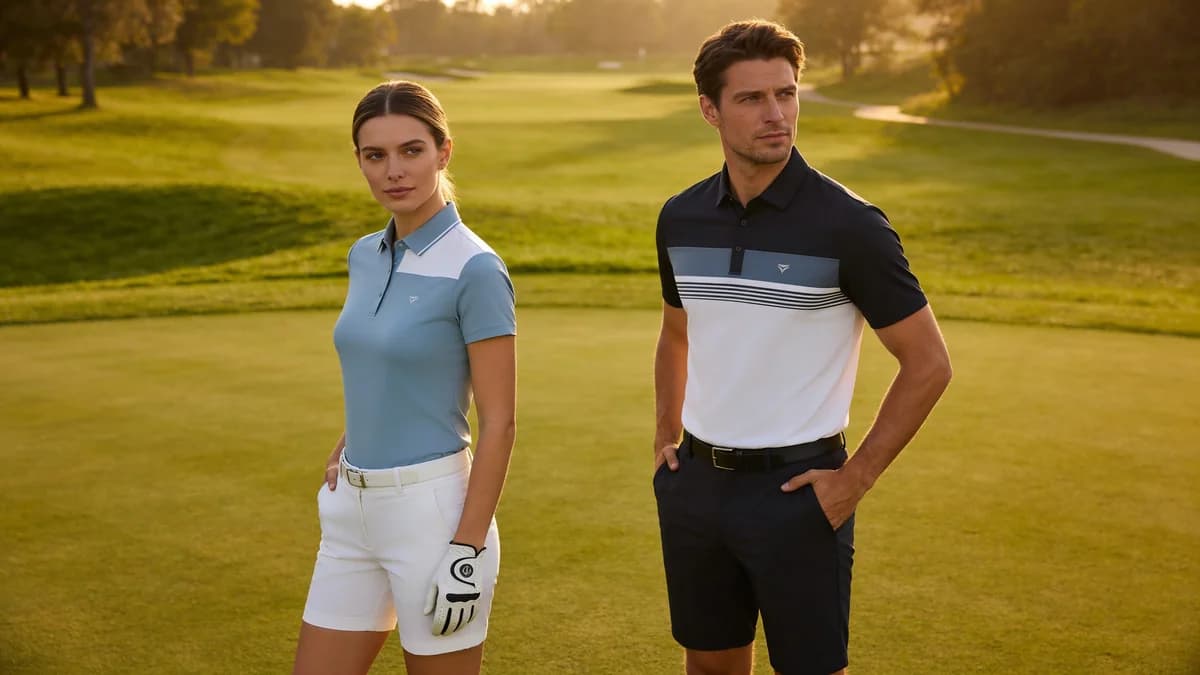
What to Wear Golfing: A Complete Guide to Golf Course Dress Codes
What to wear golfing is one of the most common questions new and returning players ask, and getting it wrong can literally stop you at the clubhouse door. According to the National Golf Foundation's 2025 Golf Industry Report, 3.4 million people played golf for the first time in the past year, and participation among women grew 12% year-over-year. Yet golf remains one of the few sports where an outfit violation can prevent you from playing entirely.
The confusion is understandable. Golf dress codes vary dramatically between a casual municipal course and a private country club, and most courses publish vague guidelines like "proper golf attire required" without defining what that means. This guide breaks down exactly what to wear golfing for women and men across every course type, from public links to exclusive clubs, plus what to wear as a spectator at tournaments like The Masters.
"Golf fashion is evolving faster than the rulebooks. The key is understanding that tradition and modernity coexist on the course — respect the dress code, but express your personal style within it." — Suzy Whaley, former PGA of America President and first woman to play in a PGA Tour event in 58 years
Whether you are deciding what to wear today for your first tee time or upgrading your course wardrobe, this guide gives you the outfit formulas, seasonal tips, and common-mistake warnings you need to play with confidence.
What to Wear Golfing: The Universal Dress Code
Every golf course shares a baseline dress code built around three principles: collared or structured tops, tailored bottoms, and golf-specific footwear. Beyond that baseline, the strictness depends entirely on the type of course. Understanding the tier system saves you from showing up in the wrong outfit and scrambling for a pro-shop purchase at markup prices.
The Golf Course Superintendents Association of America notes that approximately 73% of US golf facilities enforce some form of dress code, with private clubs being the most strict and municipal courses the most lenient. Dress code enforcement has loosened slightly since 2020, but the core requirements remain remarkably consistent.
"Golf dress codes exist for a practical reason beyond tradition," explains Dr. Mark Broadie, professor at Columbia Business School and author of Every Shot Counts. "Course maintenance costs average $750,000 to over $2 million annually. Proper golf shoes protect greens, and structured clothing signals respect for the shared investment every player makes in course conditions."
Public Courses vs Private Clubs
| Element | Public / Municipal | Semi-Private / Resort | Private Club |
|---|---|---|---|
| Tops | Neat shirts, polos preferred | Collared shirts required | Collared shirts required, often tucked in |
| Bottoms | Shorts, chinos, golf trousers | Tailored shorts (min length), golf trousers | Tailored shorts or trousers, no cargo pockets |
| Denim | Sometimes tolerated | Rarely allowed | Never allowed |
| Footwear | Golf shoes preferred, clean athletic shoes OK | Golf shoes required | Golf shoes required, often soft spikes only |
| Hats | Any clean hat | Forward-facing only | Forward-facing, removed indoors |
Public courses offer the most flexibility. A clean pair of shorts, a neat polo or mock-neck top, and athletic shoes with flat soles will pass at nearly every public facility. Private clubs and country clubs operate at the opposite end, where tucked-in collared shirts, belt requirements, and restrictions on specific colors or patterns are common.
If you are new to golf and unsure about a course's policy, call the pro shop directly. Every course has one, and staff will tell you exactly what is and is not permitted. This two-minute call can save you from an embarrassing turn-away.
Items Every Golf Course Bans
Regardless of course type, these items are universally prohibited or strongly discouraged:
- Flip-flops and open-toed sandals — safety hazard and turf damage
- Athletic shorts with visible compression liners — treated as gym wear
- Swimwear and board shorts — even at resort courses
- Ripped or heavily distressed clothing — signals disrespect for course standards
- Steel-spiked shoes — banned at nearly all modern courses due to green damage (the PGA Tour itself switched to soft spikes in 2006)
- Tank tops and spaghetti straps — even at public courses during summer heat
Golf Outfit Ideas for Women
Women's golf fashion has expanded dramatically, with the women's golf apparel market growing 23% between 2022 and 2025 according to the NPD Group. Brands like Lululemon, Nike, Adidas, Puma, and specialty labels like Foray Golf and Greyson Clothiers now offer women's golf clothing that performs on the course and looks stylish off it. The days of oversized polos and ill-fitting khakis as the only option are over.
The fundamental guideline for women's golf attire is the same across course types: a structured top, tailored bottoms that sit at or above the knee in length, and proper golf footwear. Within those parameters, the range of acceptable styles is wide.
Outfit Formulas: Casual Course to Country Club
Public Course Formula: Fitted polo shirt or sleeveless mock-neck top + mid-thigh golf skort in a solid color + ankle socks + spikeless golf shoes. This combination meets the requirements at any public facility and most semi-private courses. A lightweight quarter-zip pullover layers well for morning rounds. For more activewear-to-everyday styling, golf-specific athleisure crossovers like knit polo dresses are growing in popularity.
Resort Course Formula: Fitted collared polo or structured sleeveless top + tailored golf shorts (5-inch inseam minimum) or knee-length skort + golf belt + soft-spike golf shoes + sun visor or cap. Resort courses are slightly more strict than public facilities but still allow color and pattern expression. Tropical prints and bold color blocking are welcome at most resort courses.
Country Club Formula: Collared polo tucked into tailored golf trousers or knee-length skort + leather or woven belt + soft-spike golf shoes in a neutral color + structured visor or classic cap. Private clubs expect a polished look. Stick to clean lines, solid colors or subtle patterns, and ensure every piece fits well. Some clubs have specific rules about skirt and short lengths, so confirm before your round.
Golf Shoes and Accessories for Women
Footwear is the single most important golf outfit investment. Spikeless golf shoes from brands like Ecco, Nike, and Adidas offer enough traction for recreational players while doubling as everyday walking shoes. If you play more than twice a month, soft-spike shoes from FootJoy or Puma provide superior grip, especially on hilly or wet courses.
Accessories that work: Polarized sunglasses, a structured visor or cap, a single-pocket belt bag for tees and ball markers, and a lightweight golf glove for your lead hand. Keep jewelry minimal — rings and bracelets can interfere with grip and swing mechanics.
Golf Outfit Ideas for Men
Men's golf attire follows a straightforward formula that has changed less than women's, but modern fits and performance fabrics have transformed how it looks and feels. A 2025 Golf Digest reader survey found that 68% of male golfers prioritize moisture-wicking and stretch fabrics over brand name when purchasing golf clothing, signaling a shift toward function-first dressing on the course.
The baseline for men at any course: a collared polo shirt, tailored shorts or trousers (no cargo pockets), a belt, and golf shoes. The variation between course types is mainly about how strictly these elements are enforced and whether the shirt must be tucked in.
Outfit Formulas: Casual Course to Country Club
Public Course Formula: Performance polo in any color + flat-front chino shorts or golf shorts (9-inch inseam) + belt optional + spikeless golf shoes. This is the most relaxed acceptable men's golf outfit. Some public courses allow clean crew-neck performance shirts, but a polo is always the safer choice.
Resort Course Formula: Fitted polo shirt + tailored golf shorts or lightweight trousers + woven or leather belt + soft-spike or spikeless golf shoes + cap. Resort courses expect a step up from municipal-level dressing. Bold colors and patterns are accepted, but the fit should be tailored rather than baggy. Golf trousers with a tapered leg in performance stretch fabric offer the best balance of style and comfort.
Country Club Formula: Collared polo tucked in + tailored golf trousers or flat-front shorts + leather belt + soft-spike golf shoes + classic cap worn forward. Private clubs enforce the tucked-in rule strictly. Many also prohibit shorts during certain months or require knee-length shorts specifically. Stick to solid colors or traditional patterns like stripes and gingham. Our formal dress code guide covers similar principles of navigating strict attire expectations.
Golf Shoes and Accessories for Men
Men's golf shoe options range from athletic-style spikeless designs to classic leather saddle shoes. For beginners, spikeless shoes provide the easiest transition because they look and feel like everyday sneakers while offering enough grip for casual play. Serious players benefit from spiked shoes, particularly on courses with elevation changes or wet conditions.
Essential accessories: A quality golf glove (cabretta leather is the standard), polarized sunglasses with secure fit, a belt that matches your shoe tone (brown with brown, black with black for club play), and a structured cap or visor for sun protection.
What to Wear to a Golf Tournament as a Spectator
Attending a golf tournament as a spectator requires a different outfit strategy than playing. You will walk 6 to 10 miles across uneven terrain over several hours, often in direct sun, making comfort and weather readiness more important than formality. According to the PGA Tour, average spectator attendance at major tournaments ranges from 40,000 to over 60,000 daily, and the walking distances involved rival a full day at a theme park.
The spectator dress code at most PGA Tour events is smart casual. Collared shirts are appreciated but not required. Clean chinos or tailored shorts with a neat shirt and comfortable walking shoes form the baseline.
Men's spectator formula: Chinos or tailored shorts + polo or neat button-down (sleeves can be rolled) + clean sneakers or loafers with cushioned insoles + hat + sunscreen.
Women's spectator formula: Tailored shorts or a cotton midi dress + blouse or fitted polo + comfortable flats or clean sneakers with arch support + sunglasses + crossbody bag for essentials.
What to Wear to The Masters
The Masters at Augusta National Golf Club operates under stricter spectator guidelines than any other golf tournament. Augusta bans cell phones, electronic devices, folding chairs, and large bags. Permitted bags must fit under your seat. The dress code, while not officially published, trends distinctly more conservative than a standard PGA event.
"Augusta is a place where tradition is not just respected but expected," notes golf journalist Alan Shipnuck, author of multiple best-selling golf books. "Patrons dress as if they are visiting a friend's very formal living room — neat, pressed, and intentional."
Masters spectator formula: Chinos or tailored trousers (shorts acceptable in warm weather) + collared polo or blouse + comfortable walking shoes with excellent arch support + classic hat or visor + light jacket for morning rounds. Avoid anything branded with logos from other courses or competing brands. Augusta sells its own iconic merchandise on-site, and many spectators incorporate those pieces into their outfit.
Bring sunscreen, a small clear bag for permitted items, and a light rain layer. Augusta weather in April can swing from cool mornings in the low 50s to warm afternoons above 75 degrees Fahrenheit. Our guide on what to wear in 50 degree weather covers layering strategies for exactly this kind of temperature range.
What to Wear Golfing in Every Season
Golf is a year-round sport in most regions, but your outfit should change as dramatically as the weather. The mistake most golfers make is simply adding or removing a jacket while keeping the same base outfit. Each season demands different fabrics, layering approaches, and accessory strategies.
Hot Weather Golf Outfits
Summer rounds demand moisture-wicking performance fabrics and UV protection. According to the Skin Cancer Foundation, golfers receive significant cumulative UV exposure because rounds last 4 to 5 hours in direct sunlight with minimal shade.
Hot weather formula: Lightweight performance polo in a light color (white, light blue, pale pink reflect heat) + moisture-wicking golf shorts + no-show performance socks + spikeless golf shoes with breathable mesh uppers + wide-brim hat or visor + SPF 50 sunscreen.
Fabric choice matters more in summer than any other season. Look for polyester-spandex blends with laser-cut ventilation, or moisture-wicking nylon. Cotton polos absorb sweat and become heavy; synthetic performance polos pull moisture away from your skin and dry quickly. This same principle applies to spring outfit planning — layering breathable fabrics keeps you comfortable as temperatures shift.
Cool Weather Golf Outfits
Fall and winter golf requires a layering system that allows full range of motion for your swing. Heavy coats restrict shoulder turn, so the goal is warmth without bulk.
Cool weather formula: Thermal base layer (fitted mock-neck in merino wool or synthetic) + lightweight mid-layer fleece or down vest + wind-resistant outer shell (remove for shots if needed) + golf trousers in a heavier weight + thermal golf gloves (both hands, remove for putting) + beanie or thermal headband under your cap.
The key to winter golf dressing is limiting layers to thin, technical fabrics. A fitted merino base layer, a packable down vest, and a wind-blocking shell provide warmth equivalent to a heavy jacket while allowing unrestricted movement. Bright or high-visibility colors also improve safety during shorter winter days when light is lower.
Common Golf Outfit Mistakes to Avoid
Even experienced golfers make outfit errors that cost them comfort, performance, or access to certain courses. These are the most common mistakes and their solutions.
Wearing cotton in any weather. Cotton absorbs moisture, stretches when wet, and takes hours to dry. A cotton polo soaked with sweat by the 9th hole becomes heavy and clingy. Switch to polyester-blend performance fabrics for every golf garment.
Ignoring the tucked-in rule. Many courses require tucked shirts, and even where they do not, an untucked polo reads as sloppy. If you dislike the tucked look, choose polos specifically designed with a shorter, straight hem that sits neatly untucked.
Choosing fashion over function in footwear. Leather loafers and fashion sneakers look great in the clubhouse but offer zero traction on wet grass. Golf shoes are engineered for lateral stability during the swing and grip on turf. No other shoe category replicates this.
Over-accessorizing. Watches that catch the sun and distract other players, bracelets that clank during your backswing, necklaces that shift during your follow-through — keep accessories to a functional minimum. One watch, one pair of sunglasses, and a glove is the practical limit.
Forgetting the 19th hole. Many golfers overlook that the clubhouse restaurant or bar after the round may have its own dress code. Private clubs often require closed-toe shoes, collared shirts, and no hats in the dining room. Plan your outfit to work both on the course and in the clubhouse afterward.
Planning a golf outfit that checks every box — dress code compliance, weather readiness, comfort for 4 to 5 hours of play — takes thought. Klodsy can help you visualize outfit combinations and test what works before you step on the first tee. Upload your golf wardrobe and build complete course-ready looks with the virtual try-on feature, so you arrive at any course confident your outfit is right.
Related Articles
What to Wear Hiking: Trail Outfit Guide by Season
What to wear hiking in spring, summer, fall, and winter. Layering systems, outfit formulas for women and men, footwear picks, and common clothing mistakes.
Minimalist Style Guide: How to Dress With Intention
Master minimalist style with outfit formulas, color palettes, and design principles. Learn to build a minimalist aesthetic that looks expensive and effortless.
Street Style Outfits: Your Complete Guide for 2026
Master street style outfits with layering formulas, sneaker pairings, and 2026 streetwear trends. Practical urban outfit ideas for beginners and beyond.
Frequently Asked Questions
Everything you need to know about this topic
Most golf courses do not allow jeans. Public municipal courses are the exception, where dark jeans may be tolerated. Private clubs and resort courses almost universally ban denim. When in doubt, choose chinos or tailored golf trousers instead.