
What Not to Wear in 2026: Fashion Faux Pas and Style Mistakes to Avoid
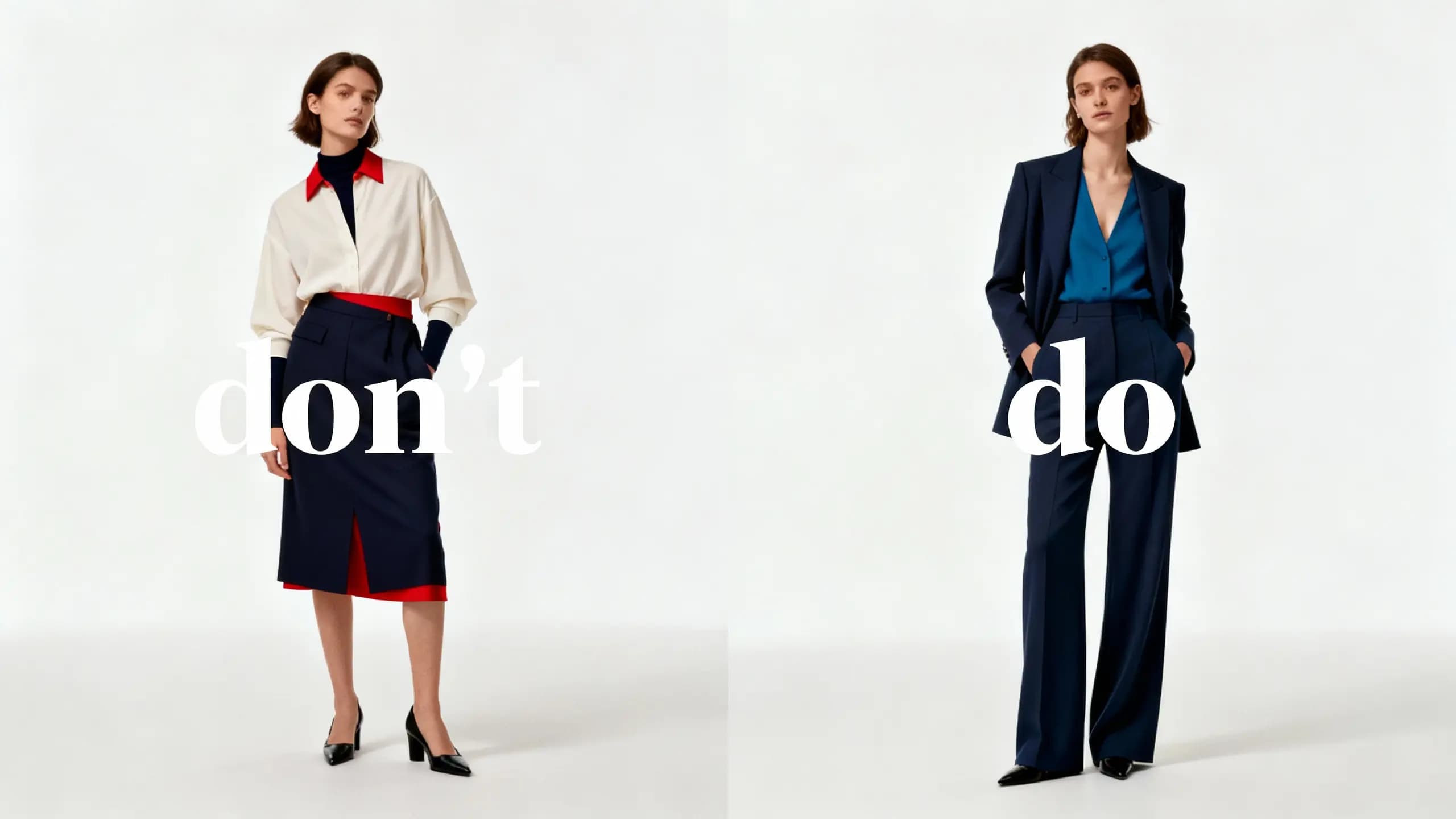
What Not to Wear: The 15 Fashion Faux Pas You're Still Making in 2026
Here's an uncomfortable truth: Most people make the same fashion mistakes year after year—and they don't even realize it. According to a 2024 style survey by Fashion Psychology Research, 78% of people commit at least 3 major fashion faux pas daily, often because they're following outdated advice or don't understand how clothing works with their body type.
The problem isn't lack of fashion sense—it's lack of fashion awareness. Many fashion mistakes aren't obvious until someone points them out, and by then, you've already made the impression (good or bad) you're going to make.
This guide reveals what NOT to wear in 2026, based on current style standards, body-positive fashion principles, and timeless elegance. We'll cover everything from fit mistakes to color clashes, from outdated trends to occasion-appropriate dressing. Plus, we'll show you how AI-powered tools like Klodsy can help you avoid these mistakes by visualizing outfits before you wear them.
"I used to think I was stylish until I learned about proper fit and proportion. Now I understand why some outfits just didn't work. Avoiding these fashion mistakes completely transformed my wardrobe and confidence." — Jessica R., Business Consultant, Los Angeles
The Psychology of Fashion Mistakes: Why We Make Them
Before diving into specific fashion faux pas, it's helpful to understand why we make these mistakes in the first place. This awareness helps you recognize and avoid them proactively.
Common reasons for fashion mistakes:
1. Following trends blindly:
- The problem: What's "in" this season might not work for your body type, age, or lifestyle
- The solution: Adapt trends to your personal style instead of copying them exactly
2. Ignoring fit:
- The problem: Many people wear clothes that are too small, too large, or poorly proportioned
- The solution: Understanding your body type and choosing pieces that flatter your figure
3. Overlooking occasion appropriateness:
- The problem: Wearing workout clothes to the office or evening wear to brunch
- The solution: Understanding dress codes and context
4. Not considering proportions:
- The problem: Pairing oversized items incorrectly or mixing wrong proportions
- The solution: Learning balance in outfit composition
5. Holding onto outdated pieces:
- The problem: Keeping clothes that were trendy 10 years ago
- The solution: Regularly editing your wardrobe and investing in timeless pieces
The 15 Fashion Mistakes to Avoid in 2026
1. Wearing Ill-Fitting Clothes
What it is: Clothes that are too tight, too loose, or don't fit your body properly.
Why it's a mistake:
- Makes you look unprofessional
- Creates an unflattering silhouette
- Signals lack of attention to detail
- Reduces confidence
What not to wear:
- Pants that bunch at the ankles or drag on the floor
- Shirts that gap at buttons or pull across the chest
- Dresses that are too tight across the hips or too loose at the waist
- Jackets with sleeves that are too long or too short
What to do instead:
- Get items tailored to fit your body
- Understand your measurements and shop accordingly
- Use Klodsy's virtual try-on to see how items fit before buying
- Invest in pieces that fit your widest part, then tailor other areas
2. Mixing Too Many Patterns
What it is: Wearing multiple clashing patterns in one outfit (stripes + florals + polka dots).
Why it's a mistake:
- Looks chaotic and uncoordinated
- Overwhelms the eye
- Appears inexperienced with styling
- Distracts from your natural features
What not to wear:
- More than two patterns in one outfit
- Patterns that compete for attention
- Clashing pattern scales (large florals with small stripes)
- Patterns in similar color families that blend confusingly
What to do instead:
- Stick to one statement pattern and pair with solids
- Mix patterns of different scales (large + small) carefully
- Keep patterns in complementary color families
- Use neutral patterns (like subtle stripes) as a base
3. Visible Undergarments in Professional Settings
What it is: Bra straps, panty lines, or undergarment outlines visible through clothing.
Why it's a mistake:
- Looks unprofessional in work environments
- Distracts from your outfit
- Signals lack of attention to detail
- Can be inappropriate depending on context
What not to wear:
- Thin, light-colored shirts without proper undergarments
- Tight clothing that shows bra lines or panty lines
- Strapless dresses with visible bra bands
- Transparent or see-through items without proper layering
What to do instead:
- Invest in quality undergarments that match your outfits
- Use seamless underwear and bras
- Layer camisoles or tanks under sheer clothing
- Choose appropriate undergarments for each outfit type
4. Overly Distressed or Ripped Clothing in Formal Settings
What it is: Extremely torn, distressed, or damaged-looking clothing in professional or formal environments.
Why it's a mistake:
- Looks unprofessional in work settings
- Inappropriate for formal occasions
- Can appear careless or sloppy
- Limits versatility of your wardrobe
What not to wear:
- Jeans with excessive rips to business casual offices
- Distressed items to interviews or client meetings
- Overly worn-looking clothing to special events
- Trendy distressed pieces that date quickly
What to do instead:
- Reserve distressed pieces for casual settings
- Choose subtle distressing over extreme rips
- Keep distressed items in good condition
- Have separate wardrobes for casual vs. professional settings
5. Wearing Outdated Trend Items
What it is: Clothing that was trendy years ago but is now clearly dated.
Why it's a mistake:
- Makes you look out of touch
- Dates your entire outfit
- Often unflattering compared to current styles
- Wastes closet space
What not to wear in 2026:
- Extremely low-rise pants from early 2000s
- Overly chunky platform shoes from the 90s
- Super skinny jeans that cut off circulation
- Excessive logo-covered items
- Visible bra straps as intentional style
What to do instead:
- Focus on timeless pieces (classic blazers, well-fitting jeans, simple dresses)
- Update accessories and styling, not entire wardrobe
- Choose modern interpretations of classic items
- Regularly edit your wardrobe to remove dated pieces
6. Ignoring Color Coordination
What it is: Wearing colors that clash or don't work together harmoniously.
Why it's a mistake:
- Creates visual chaos
- Looks unplanned and sloppy
- Can be jarring to look at
- Misses opportunity for cohesive style
What not to wear:
- Clashing bright colors without neutrals to balance
- Too many competing colors in one outfit
- Colors that wash out your skin tone
- Seasonal colors in wrong seasons (bright yellow in winter)
What to do instead:
- Stick to color palettes that complement each other
- Use neutrals as a base (black, white, gray, navy, beige)
- Understand which colors flatter your skin tone
- Follow color theory basics (complementary, analogous, monochromatic)
7. Wearing Wrong Shoes for the Occasion
What it is: Inappropriate footwear for the setting or activity.
Why it's a mistake:
- Looks out of place
- Can be uncomfortable or impractical
- Signals lack of awareness
- Limits your ability to participate in activities
What not to wear:
- High heels to outdoor events or long walking situations
- Sneakers to formal events (unless specifically styled)
- Flip-flops to business settings
- Inappropriate seasonal footwear
What to do instead:
- Match shoes to occasion and activity level
- Have a variety of footwear options
- Consider comfort alongside style
- Use Klodsy to plan complete outfits including appropriate footwear
8. Over-Accessorizing
What it is: Wearing too many accessories at once, competing for attention.
Why it's a mistake:
- Looks cluttered and overwhelming
- Distracts from your outfit and face
- Appears indecisive
- Can look costume-like
What not to wear:
- Multiple statement necklaces at once
- Too many rings on every finger
- Competing statement pieces (bold earrings + bold necklace + bold bracelet)
- Accessories that don't complement each other
What to do instead:
- Follow the rule: one statement piece per outfit
- Balance accessories (if bold necklace, choose subtle earrings)
- Remove one accessory before leaving the house
- Choose accessories that enhance, not overwhelm
9. Wearing Clothes That Don't Match Your Age or Stage
What it is: Dressing significantly younger or older than your life stage.
Why it's a mistake:
- Can look inappropriate or out of touch
- Doesn't reflect your maturity or professionalism
- May limit career or social opportunities
- Can appear to be trying too hard
What not to wear:
- College-style clothing in professional settings
- Overly trendy items that don't suit your age
- Costume-like trendy pieces
- Items clearly designed for a different age group
What to do instead:
- Adapt trends to your age and lifestyle
- Choose age-appropriate versions of trendy items
- Focus on timeless pieces that work at any age
- Dress for the life you have, not the one you had
10. Ignoring Proportions and Silhouette
What it is: Creating unflattering body proportions through poor outfit choices.
Why it's a mistake:
- Makes you look unbalanced
- Can hide your best features
- Creates visual weight in wrong areas
- Looks unplanned
What not to wear:
- Oversized tops with oversized bottoms (unless intentionally styled)
- Cropped items that cut you in awkward places
- Wrong-length items for your height
- Pieces that emphasize areas you want to minimize
What to do instead:
- Understand your body proportions
- Balance fitted with loose pieces
- Use tailoring to create better silhouettes
- Visualize complete outfits with Klodsy before wearing
11. Wearing Too Much Perfume or Fragrance
What it is: Over-applying scents that become overwhelming.
Why it's a mistake:
- Can be overwhelming to others
- Triggers allergies or sensitivities
- Creates negative associations
- Distracts from your presence
What not to do:
- Apply fragrance right before entering enclosed spaces
- Use multiple competing scents
- Apply too much of strong fragrances
- Ignore scent-free workplace policies
What to do instead:
- Apply fragrance lightly and to pulse points
- Consider your environment (office, social, etc.)
- Test fragrances on skin before committing
- Respect scent-free spaces
12. Not Dressing for the Weather
What it is: Wearing inappropriate clothing for current weather conditions.
Why it's a mistake:
- Looks out of touch
- Causes discomfort
- Limits your ability to function
- Can be unsafe in extreme weather
What not to wear:
- Summer dresses in freezing temperatures
- Heavy coats in hot weather
- Open-toed shoes in rain or snow
- Non-breathable fabrics in heat
What to do instead:
- Check weather forecasts before dressing
- Layer appropriately for temperature changes
- Choose weather-appropriate fabrics
- Use Klodsy's weather-based outfit suggestions
13. Wearing Clothes That Are Too Tight
What it is: Clothing that's visibly too small, creating bulges or pulling.
Why it's a mistake:
- Looks uncomfortable and unflattering
- Limits movement and comfort
- Can appear unprofessional
- Signals refusal to buy proper size
What not to wear:
- Pants that create visible muffin tops
- Shirts that gap between buttons
- Dresses that pull across body parts
- Clothing that restricts movement
What to do instead:
- Buy clothing in your actual size
- Focus on fit over size number
- Get items tailored if needed
- Understand that sizes vary by brand
14. Following Trends That Don't Suit You
What it is: Wearing trendy items that don't work with your body type, coloring, or style.
Why it's a mistake:
- Looks forced and inauthentic
- Doesn't flatter your features
- Wastes money on items you'll rarely wear
- Makes you feel uncomfortable
What not to wear:
- Trends that clash with your coloring
- Items that don't work with your body type
- Styles that conflict with your lifestyle
- Pieces that don't align with your personal style
What to do instead:
- Adapt trends to work for you
- Choose trends that complement your features
- Skip trends that don't suit you
- Develop a personal style that's timeless
15. Not Maintaining Your Clothes
What it is: Wearing clothing that's damaged, stained, or in poor condition.
Why it's a mistake:
- Looks unprofessional and careless
- Detracts from otherwise good outfits
- Reduces lifespan of clothing
- Creates negative impressions
What not to wear:
- Clothing with visible stains or spots
- Items with holes (unless intentional distressing)
- Faded or worn-out pieces in professional settings
- Wrinkled or un-ironed clothing
What to do instead:
- Regularly inspect and repair clothing
- Follow care instructions properly
- Remove stains promptly
- Maintain a clean, pressed wardrobe
How to Avoid Fashion Mistakes: Your Action Plan
Now that you know what NOT to wear, here's how to avoid these mistakes proactively:
1. Build a foundation wardrobe:
- Invest in timeless, well-fitting basics
- Choose neutral colors that work together
- Focus on quality over quantity
- Get items tailored for perfect fit
2. Understand your body type:
- Learn which cuts and styles flatter your figure
- Identify your best features and emphasize them
- Choose proportions that create balance
- Use Klodsy's virtual try-on to see how items work on you
3. Plan outfits in advance:
- Use Klodsy's AI outfit planner to visualize combinations
- Check weather forecasts before dressing
- Consider your day's activities and dress accordingly
- Prepare outfits the night before to avoid rushed decisions
4. Edit your wardrobe regularly:
- Remove items that don't fit, are damaged, or are outdated
- Donate or sell pieces you never wear
- Invest in quality pieces over trendy items
- Keep a capsule wardrobe of versatile pieces
5. Learn style basics:
- Understand color theory and coordination
- Learn about proportions and balance
- Study timeless style principles
- Adapt trends to your personal style
The Role of AI in Avoiding Fashion Mistakes
Modern technology can help you avoid fashion mistakes before you even leave the house. Klodsy's AI-powered outfit planner addresses many of these common mistakes:
Virtual Try-On Technology:
- See how items fit and look on your body before wearing
- Test color combinations and patterns
- Visualize complete outfits
- Avoid purchasing items that don't work
Weather-Based Suggestions:
- Get outfit recommendations based on current weather
- Plan for temperature changes throughout the day
- Choose weather-appropriate fabrics and layers
Occasion-Appropriate Styling:
- Get outfit suggestions for specific events
- Understand dress codes and context
- Avoid wearing inappropriate attire
Proportion and Balance Analysis:
- See how different pieces work together
- Understand silhouette and balance
- Create cohesive, well-proportioned outfits
Conclusion: Fashion Mistakes Are Avoidable
Fashion mistakes don't have to define your style. By understanding what NOT to wear and why these mistakes happen, you can create a wardrobe that reflects your best self.
The key takeaways:
- Focus on fit, proportion, and occasion appropriateness
- Build a foundation of timeless pieces
- Adapt trends to your personal style, don't copy them blindly
- Use modern tools like Klodsy to visualize and plan outfits
- Regularly edit your wardrobe and invest in quality pieces
Remember: The goal isn't perfection—it's confidence. When you know what to avoid and how to create outfits that work, you'll feel more comfortable and put-together in everything you wear.
Ready to avoid these fashion mistakes and elevate your style? Try Klodsy's AI outfit planner to visualize your wardrobe combinations, test new looks, and create outfits that avoid common faux pas. Start building your mistake-free wardrobe today.
Frequently Asked Questions
Everything you need to know about this topic
The biggest fashion mistakes include wearing ill-fitting clothes, mixing too many patterns, wearing outdated trends, ignoring proportions, and not dressing for the occasion. Understanding what not to wear helps you avoid these common pitfalls and create better outfits.