
Online Shopping Problems: AI Solutions for E-Commerce
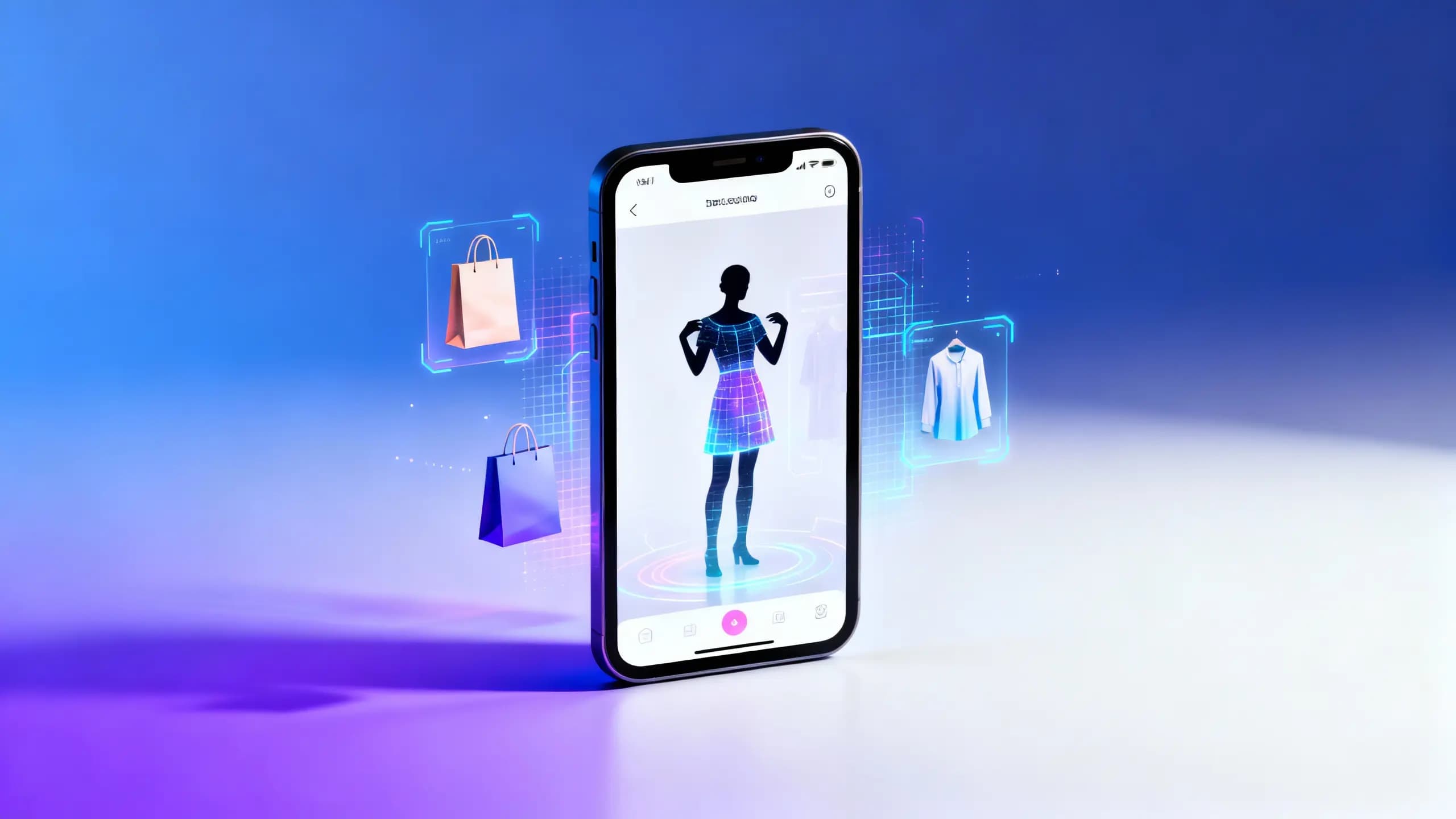
Online Shopping Problems and Solutions: How AI Technology is Solving Fashion E-Commerce Challenges
You're browsing an online store, you find a piece you love, but hesitation creeps in: Will it fit? Will it look good on me? Will it work with what I already own? These questions plague millions of online shoppers daily, leading to anxiety, hesitation, and ultimately, either missed purchases or costly mistakes.
Online fashion shopping has grown exponentially, but it comes with unique challenges that physical shopping doesn't have. Understanding these problems and the modern solutions available can transform your online shopping experience from frustrating to fantastic.
AI-powered technologies like Klodsy are revolutionizing how we shop online, addressing the core problems that have plagued e-commerce for years. From virtual try-on to intelligent size recommendations, these solutions are making online shopping more confident, efficient, and satisfying.
"I used to avoid buying clothes online because I never knew if they would fit or look good. The return process was such a hassle. Now with Klodsy's virtual try-on, I can see exactly how something will look on me before buying. My confidence in online shopping has completely changed, and I rarely need to return anything anymore." — Jennifer M., Marketing Manager, New York
The Scale of the Problem: Why Online Fashion Shopping is Challenging
To understand why solutions are so valuable, we must first understand the scope of the problems. Online fashion shopping faces unique challenges that don't exist in physical stores.
The numbers tell a compelling story:
- Over 30% of online fashion purchases are returned, primarily due to fit and appearance issues
- 65% of consumers avoid buying clothes online because they can't try them on
- Returns cost retailers billions annually in processing, shipping, and inventory management
- Environmental impact of returns is significant (transportation, packaging, waste)
The core problems:
1. The Fit Uncertainty Problem
- Size inconsistency: A size M in one brand can be S or L in another
- No physical try-on: Can't feel the fabric or see how it drapes
- Body shape variations: Standard sizes don't account for individual body shapes
- Result: High return rates, wasted money, frustration
2. The Visualization Problem
- Can't see it on you: Product photos show models, not you
- Can't feel the fabric: Texture and quality are unknown
- Can't see it in context: Hard to visualize with your existing wardrobe
- Result: Uncertainty, hesitation, missed purchases
3. The Combination Problem
- Hard to coordinate: Difficult to see how items work together
- Wardrobe integration: Unclear if new pieces complement existing clothes
- Style matching: Uncertainty about personal style compatibility
- Result: Clothes that don't work with your wardrobe
4. The Quality Uncertainty Problem
- Can't inspect: No way to check fabric quality, construction, details
- Photos can mislead: Professional photography can hide flaws
- Material feel unknown: Can't assess comfort or durability
- Result: Disappointment, returns, wasted money
5. The Decision Fatigue Problem
- Too many options: Overwhelming choice paralysis
- Information overload: Too many reviews, photos, descriptions
- Comparison difficulty: Hard to compare options effectively
- Result: Procrastination, abandoned carts, decision fatigue
Klodsy addresses all these problems through AI-powered solutions that provide clarity, confidence, and convenience.
Problem 1: The Fit Uncertainty Crisis
The most significant problem in online fashion shopping is fit uncertainty. Without being able to try clothes on, shoppers are essentially guessing, leading to high return rates and frustration.
Why fit is so challenging:
1. Size Inconsistency Across Brands
- Different sizing systems: US, UK, EU, Asian sizing all differ
- Brand-specific sizing: Each brand has its own interpretation
- Vanity sizing: Some brands use smaller numbers to flatter customers
- Result: Your size varies dramatically between brands
2. Body Shape Variations
- Standard sizes assume: Average proportions that don't exist
- Individual differences: Height, torso length, curves, shoulders all vary
- Fit preferences: Some prefer loose, others prefer fitted
- Result: Same size fits differently on different people
3. Fabric and Cut Impact
- Stretch fabrics: Fit differently than non-stretch
- Cut variations: Slim fit vs. regular vs. relaxed all differ
- Designer differences: Each designer has different fit philosophies
- Result: Even same size, same brand can fit differently
The cost of fit uncertainty:
- Financial: Money wasted on items that don't fit
- Time: Returning items, waiting for refunds
- Environmental: Shipping back and forth, packaging waste
- Emotional: Frustration, loss of confidence in online shopping
Klodsy's solution:
- Virtual try-on: See how clothes fit on your body before buying
- Size recommendations: AI analyzes your measurements and purchase history
- Fit visualization: See how different sizes would look
- Brand-specific guidance: Understand how each brand's sizing works
Problem 2: The Visualization Gap
One of the biggest barriers to online shopping is the inability to see how clothes look on you. Product photos show professional models in perfect lighting, but that's not how they'll look on you.
The visualization challenges:
1. Model vs. Reality
- Professional models: Different body types, heights, proportions
- Perfect styling: Hair, makeup, lighting, photography all optimized
- Your reality: Different body, different context, different lighting
- Result: Clothes look different on you than in photos
2. Context Missing
- No wardrobe context: Can't see how it works with your existing clothes
- No occasion context: Unclear if appropriate for intended use
- No lifestyle fit: Doesn't show how it fits your daily life
- Result: Clothes that don't integrate with your life
3. Color and Detail Uncertainty
- Screen color differences: Monitors show colors differently
- Detail visibility: Hard to see texture, quality, small details
- Lighting variations: Product photos use perfect lighting
- Result: Surprises when items arrive
4. Style Compatibility
- Personal style: Unclear if it matches your aesthetic
- Trend vs. timeless: Hard to assess if it will age well
- Versatility: Unclear how many ways you can wear it
- Result: Clothes that don't reflect your style
Klodsy's solution:
- Virtual try-on on your body: See exactly how it looks on you
- Wardrobe integration: See how it works with your existing clothes
- Multiple angles: View from different perspectives
- Style analysis: Understand if it matches your personal style
Problem 3: The Combination and Coordination Challenge
Online shopping makes it difficult to see how different pieces work together. In a physical store, you can hold items next to each other, but online, coordination is guesswork.
The coordination challenges:
1. Color Matching
- Screen color accuracy: Monitors vary, colors look different
- Coordination difficulty: Hard to see if colors work together
- Palette understanding: Unclear if items fit your color palette
- Result: Mismatched combinations
2. Style Harmony
- Aesthetic matching: Unclear if styles complement each other
- Formality levels: Hard to assess if formality levels match
- Texture coordination: Can't feel how textures work together
- Result: Outfits that don't work
3. Wardrobe Integration
- Existing clothes: Unclear how new items work with what you have
- Versatility assessment: Hard to see how many ways you can wear it
- Gap identification: Unclear what's missing from your wardrobe
- Result: Clothes that don't integrate
4. Occasion Appropriateness
- Context matching: Unclear if appropriate for intended occasions
- Dress code compliance: Hard to assess if meets requirements
- Versatility: Unclear if works for multiple occasions
- Result: Clothes that don't fit your needs
Klodsy's solution:
- Outfit visualization: See how items work together
- Wardrobe analysis: Understand how new items integrate
- Combination suggestions: AI recommends coordinating pieces
- Occasion matching: See if appropriate for your needs
Problem 4: Quality and Material Uncertainty
One of the most frustrating aspects of online shopping is uncertainty about quality and materials. You can't touch, feel, or inspect items before buying.
The quality challenges:
1. Material Assessment
- Fabric feel: Can't assess softness, texture, comfort
- Quality indicators: Hard to see construction quality
- Durability: Unclear how well it will hold up
- Result: Surprises about quality
2. Construction Details
- Stitching: Can't inspect seam quality
- Hardware: Zippers, buttons, details unclear
- Finishing: Unclear attention to detail
- Result: Quality disappointments
3. Care Requirements
- Washing instructions: May require special care
- Maintenance: Unclear how easy to maintain
- Durability: How it will look after washing
- Result: Unexpected care requirements
4. Value Assessment
- Price vs. quality: Hard to assess if worth the price
- Comparison: Difficult to compare with similar items
- Investment value: Unclear if good long-term investment
- Result: Uncertainty about value
Klodsy's solution:
- Detailed product analysis: AI analyzes product descriptions and reviews
- Quality indicators: Highlights quality markers
- Comparison tools: Compare similar items
- Value assessment: Understand if worth the investment
Problem 5: Decision Fatigue and Overwhelming Choice
The paradox of choice is real in online shopping. Too many options can lead to decision paralysis, abandoned carts, and shopping fatigue.
The choice challenges:
1. Option Overload
- Thousands of options: Overwhelming number of choices
- Filter difficulty: Hard to narrow down effectively
- Comparison complexity: Too many variables to consider
- Result: Decision paralysis
2. Information Overload
- Too many reviews: Conflicting opinions, hard to synthesize
- Product descriptions: Marketing language vs. reality
- Photos: Many photos but still unclear
- Result: Information fatigue
3. Time Consumption
- Endless browsing: Hours spent without buying
- Comparison shopping: Time spent comparing options
- Research: Time spent reading reviews and descriptions
- Result: Time wasted, shopping fatigue
4. Fear of Missing Out (FOMO)
- Better options: Worry there's something better
- Price drops: Fear of buying before sale
- Trends: Worry about missing trends
- Result: Indecision, delayed purchases
Klodsy's solution:
- Personalized recommendations: AI narrows options to what works for you
- Smart filtering: Intelligent filters based on your preferences
- Quick decisions: Virtual try-on speeds decision-making
- Confidence: Clear visualization reduces uncertainty
Modern Solutions: How AI is Revolutionizing Online Shopping
AI-powered technologies are solving the fundamental problems of online fashion shopping. These solutions address the core challenges that have plagued e-commerce for years.
Solution 1: Virtual Try-On Technology
What it is:
- AI-powered visualization: See how clothes look on your body
- Realistic rendering: Advanced technology creates accurate representations
- Multiple angles: View from different perspectives
- Wardrobe integration: See how it works with your existing clothes
How it solves problems:
- Fit uncertainty: See exactly how it fits
- Visualization gap: See how it looks on you
- Confidence: Make informed decisions
- Returns: Dramatically reduce return rates
Klodsy's virtual try-on:
- Advanced AI: State-of-the-art technology for accuracy
- Easy to use: Simple photo upload process
- Fast results: Quick visualization
- Wardrobe context: See how it works with your clothes
Solution 2: AI Size Recommendations
What it is:
- Personalized sizing: AI analyzes your body and preferences
- Brand-specific: Understands how each brand's sizing works
- Learning system: Improves with each purchase
- Confidence scores: Shows how confident in size recommendation
How it solves problems:
- Size inconsistency: Handles brand variations
- Fit uncertainty: Personalized recommendations
- Body shape: Accounts for individual differences
- Returns: Reduces size-related returns
Solution 3: Outfit Visualization and Coordination
What it is:
- Complete outfits: See how items work together
- Wardrobe integration: Understand how new items fit
- Style matching: See if matches your aesthetic
- Occasion appropriateness: Assess if fits your needs
How it solves problems:
- Coordination: See how pieces work together
- Wardrobe gaps: Identify what's missing
- Versatility: Understand how many ways to wear
- Style consistency: Maintain your personal style
Solution 4: Intelligent Shopping Assistant
What it is:
- Personalized recommendations: Based on your preferences
- Smart filtering: Reduces overwhelming options
- Trend awareness: Understands current trends
- Value assessment: Helps assess if worth buying
How it solves problems:
- Decision fatigue: Narrows options intelligently
- Information overload: Synthesizes information
- Time saving: Speeds up shopping process
- Confidence: Provides clear guidance
The Future of Online Shopping: What's Next?
The evolution of online shopping solutions is accelerating. New technologies are emerging that will further transform the experience.
Emerging technologies:
1. Augmented Reality (AR)
- Real-time try-on: Use your phone camera to see clothes on you
- In-store integration: Try on while browsing physical stores
- Social sharing: Share looks with friends for feedback
- Future potential: Seamless integration into shopping experience
2. 3D Body Scanning
- Accurate measurements: Precise body mapping
- Perfect fit prediction: Highly accurate size recommendations
- Virtual fitting: See exactly how clothes will fit
- Future potential: Standard in online shopping
3. AI Personal Stylist
- Complete wardrobe management: AI manages your entire wardrobe
- Style evolution: Learns and adapts to your changing style
- Proactive suggestions: Suggests items before you need them
- Future potential: AI becomes your personal stylist
4. Social Shopping Integration
- Friend feedback: Get opinions from friends
- Community style: See how others style items
- Social validation: Understand if style works
- Future potential: Social shopping becomes standard
Klodsy is at the forefront of these innovations, continuously evolving to provide the best possible online shopping experience.
Practical Tips: How to Shop Smarter Online
While technology solutions are powerful, combining them with smart shopping practices maximizes your success. Here are practical tips:
1. Use Virtual Try-On
- Always try before buying: Use virtual try-on when available
- Multiple items: Try on several options to compare
- Different sizes: See how different sizes look
- Wardrobe context: See how it works with your clothes
2. Read Reviews Strategically
- Look for fit information: Reviews often mention fit issues
- Body type mentions: Find reviewers with similar body types
- Quality comments: Look for quality assessments
- Photo reviews: User photos show real appearance
3. Understand Size Charts
- Measure yourself: Know your actual measurements
- Compare to charts: Don't assume your usual size
- Brand differences: Understand each brand's sizing
- Fit preferences: Consider if you prefer loose or fitted
4. Start with Trusted Brands
- Known sizing: Brands you've bought from before
- Quality reputation: Brands known for quality
- Return policies: Understand return policies
- Customer service: Good customer service matters
5. Use AI Tools
- Size recommendations: Use AI for size suggestions
- Style matching: Let AI suggest coordinating pieces
- Wardrobe analysis: Understand how items integrate
- Confidence building: Use tools to build shopping confidence
Klodsy provides all these capabilities, making it your comprehensive solution for smarter online shopping.
The Environmental and Economic Impact
Solving online shopping problems has benefits beyond personal convenience. Reducing returns and improving purchase accuracy has significant environmental and economic impacts.
Environmental benefits:
- Reduced shipping: Fewer returns mean less transportation
- Less packaging: Fewer items shipped back and forth
- Reduced waste: Fewer items ending up in landfills
- Lower carbon footprint: Less overall environmental impact
Economic benefits:
- Cost savings: Fewer returns save money
- Time savings: Less time spent on returns
- Better value: More accurate purchases mean better value
- Retailer efficiency: Lower return processing costs
Personal benefits:
- Confidence: Shop with greater confidence
- Satisfaction: Higher satisfaction with purchases
- Time: Save time on shopping and returns
- Stress: Reduce shopping-related stress
Klodsy contributes to all these benefits by helping users make more accurate, confident purchasing decisions.
Conclusion: The Future of Online Shopping is Here
Online shopping problems are real and significant, but solutions are available. AI-powered technologies like Klodsy are transforming the online shopping experience, addressing core challenges and making shopping more confident, efficient, and satisfying.
The key solutions:
- Virtual try-on: See how clothes look on you
- AI size recommendations: Get personalized sizing
- Outfit visualization: See how items work together
- Intelligent assistance: Get personalized guidance
The future is bright:
- Technology is improving: Solutions getting better every day
- Adoption is growing: More retailers offering these solutions
- User experience: Shopping becoming more enjoyable
- Confidence: Shoppers gaining confidence in online purchases
Ready to transform your online shopping experience?
Related Articles
What to Wear to an Interview: Use AI to Plan the Perfect Outfit
Plan your interview outfit with AI. Virtual try-on, color analysis, and smart outfit suggestions help you look confident and land the job.
What to Wear to Jury Duty: Preview Your Courthouse Outfit with AI
Not sure if your jury duty outfit works? Use AI virtual try-on to see your courthouse look before you go. Dress code guide and outfit ideas included.
AI Shopping Assistant: How to Reduce Fashion Returns in 2026
Stop returning clothes with AI shopping assistants. Learn how AI predicts fit, matches your style, and helps you buy right the first time, saving money and reducing waste.
Frequently Asked Questions
Everything you need to know about this topic
The most common problems include: not knowing if clothes will fit (size inconsistency), not being able to see how clothes look on you, difficulty visualizing how items work together, high return rates, and uncertainty about quality. These issues lead to frustration, wasted money, and environmental impact from returns. AI-powered solutions like Klodsy address these problems by offering virtual try-on technology, size recommendations, and outfit visualization before purchase.