
Formal Outfit Ideas: Complete Dress Code Guide for 2026
Key takeaways:
- Formal dress codes range from white tie (most formal) to semi-formal, each with distinct rules
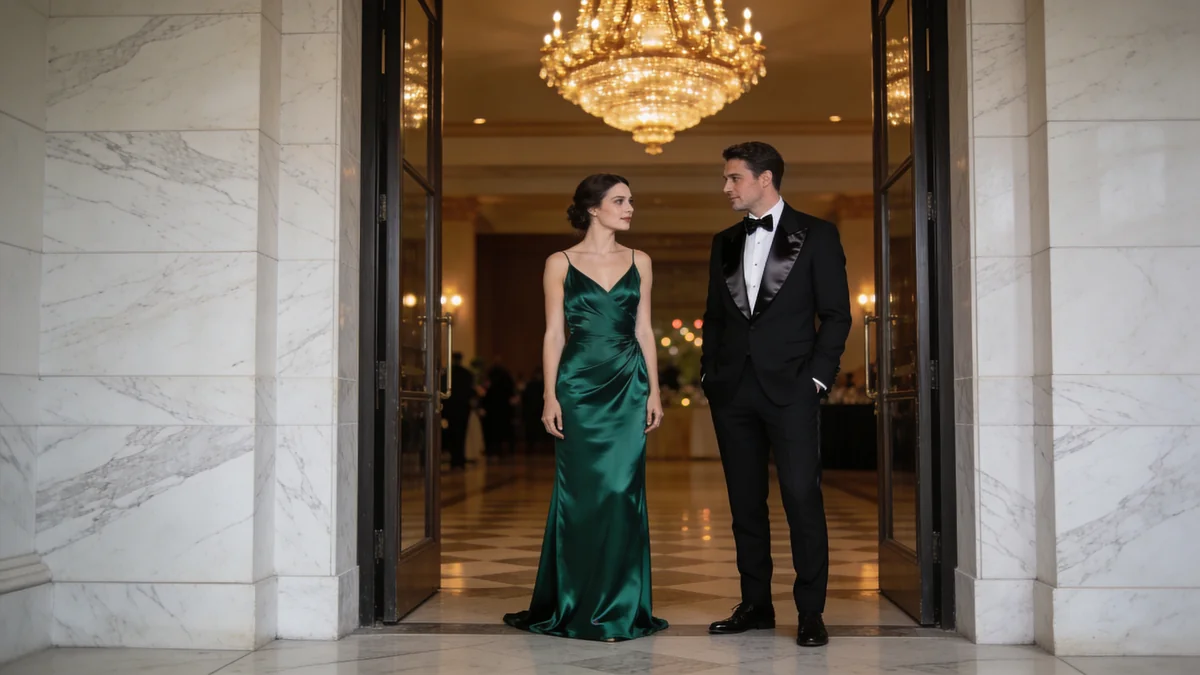
- Black tie means tuxedos for men and evening gowns or cocktail dresses for women
- Cocktail attire is the most common formal dress code and allows knee-to-midi length dresses
- Fabric quality and fit matter more than price at every formality level
- When the dress code is unclear, dress one level above what you think is required
Formal Outfit Ideas: The Complete Dress Code Guide for 2026
Formal events demand specific attire, and most people get it wrong. A 2024 survey by fashion platform Stitch Fix found that 62% of adults have felt underdressed or overdressed at a formal event, with dress code confusion cited as the primary reason. The consequences go beyond embarrassment: research published in the Journal of Experimental Social Psychology found that clothing formality directly influences how others perceive your competence, with appropriately dressed individuals rated 23% more favorably in social evaluations.
The problem is not carelessness. Formal dress codes use terminology that most people encounter only a few times per year, and the distinctions between black tie, cocktail attire, and semi-formal are genuinely nuanced. A 2025 report by The Knot found that 44% of event guests Google the dress code after receiving an invitation, and "what does cocktail attire mean" is among the top fashion-related search queries year-round according to Google Trends data.
This guide is the comprehensive reference. Whether you are dressing for a gala, a charity fundraiser, a formal dinner, or a corporate awards ceremony, the formulas and rules below will ensure you arrive at the right level of formality every time.
"Dressing appropriately for a formal event is fundamentally about respect," says Tim Gunn, fashion consultant and co-host of Making the Cut. "Respect for your host, respect for the occasion, and respect for yourself. When you get the dress code right, you free yourself to actually enjoy the event."
If you are looking for more relaxed dressing guidance, our guide to smart casual outfit ideas covers the polished-but-informal end of the spectrum. This article focuses exclusively on formal dress codes from semi-formal through white tie.
Why Understanding Formal Dress Codes Matters
Getting a formal dress code wrong costs more than a moment of awkwardness. According to a 2024 study by psychologist Dr. Adam Galinsky at Columbia Business School, clothing formality affects not only how others perceive you but how you perceive yourself. Participants who dressed formally demonstrated measurably higher abstract thinking and confidence compared to those in casual attire, a phenomenon Galinsky terms "enclothed cognition."
The stakes are practical, too. McKinsey's 2025 State of Fashion report notes that formal occasions represent 18% of apparel purchases despite comprising less than 5% of wardrobe usage occasions. In other words, people spend disproportionately on formal clothing because the social cost of dressing incorrectly feels high, and for good reason.
Formal dress codes exist for a purpose: they signal the tone of an event, create visual cohesion among guests, and show respect for the host and occasion. Understanding the distinctions between formality levels is not about rigid rule-following. It is about having the confidence to dress intentionally, whether that means a floor-length gown or a tailored cocktail dress.
The Formal Dress Code Spectrum Explained
Every formal dress code sits on a spectrum from most formal (white tie) to least formal (semi-formal). The table below provides a quick reference, followed by detailed breakdowns of each level.
| Dress Code | Formality | Women | Men | Common Events |
|---|---|---|---|---|
| White Tie | Ultra-formal | Floor-length gown, long gloves, evening jewelry | Tailcoat, white vest, white bow tie | State dinners, royal events, debutante balls |
| Black Tie | Formal | Evening gown or elegant cocktail dress | Tuxedo, black bow tie, dress shirt | Galas, charity balls, formal weddings |
| Black Tie Optional | Formal-flexible | Floor-length or cocktail-length formal dress | Tuxedo or dark formal suit | Fundraisers, award ceremonies, evening receptions |
| Cocktail Attire | Semi-formal (evening) | Knee-to-midi dress, dressy separates, jumpsuit | Dark suit, dress shirt, tie optional | Corporate events, holiday parties, evening celebrations |
| Semi-Formal | Polished | Context-dependent: dressy separates or refined dress | Suit or sport coat with dress trousers | Rehearsal dinners, engagement parties, upscale restaurants |
| Business Formal | Professional-formal | Tailored suit, conservative dress, structured separates | Dark suit, dress shirt, tie | Board meetings, formal presentations, client dinners |
White Tie: The Pinnacle of Formal Dressing
White tie is the most formal dress code in existence. You will encounter it at state dinners, embassy events, very formal charity galas, and certain cultural ceremonies. According to the Emily Post Institute, white tie events represent less than 1% of formal occasions in the United States, but when the dress code specifies white tie, there is no room for interpretation.
For women: A floor-length evening gown is mandatory, not optional. The dress should be in a luxurious fabric such as silk, satin, or chiffon. Elbow-length or opera-length gloves are traditional. Jewelry should be fine and statement-worthy, such as diamonds, pearls, or quality crystal. Hair is typically styled in a formal updo. Shoes should be elegant heels, often in metallic or satin.
For men: A black tailcoat with satin lapels, matching trousers with a satin stripe, a white wing-collar dress shirt, a white pique vest, a white bow tie, and black patent leather shoes. This is the one dress code with virtually zero flexibility, as every element is prescribed.
Black Tie: The Gold Standard of Formal Events
Black tie is what most people think of when they hear "formal." It is the most common high-formality dress code, applied to galas, charity fundraisers, formal weddings, and awards ceremonies. A 2025 analysis by fashion data platform Edited found that searches for "black tie outfit" increase by 340% during November and December, driven by holiday gala season.
For women: A floor-length evening gown is classic, but a well-chosen cocktail dress at knee or midi length is fully appropriate for black tie events in 2026. The key is elevated fabric: silk, satin, velvet, crepe, or sequins. Accessories should be refined, with a clutch bag and evening jewelry. Heels are standard, though elegant embellished flats are increasingly accepted. For more on how to leverage black for formal events, see our guide to black outfit ideas.
For men: A black tuxedo with satin or grosgrain lapels, a white dress shirt with French cuffs, a black bow tie (not a necktie), and black patent leather or highly polished dress shoes. A cummerbund or formal vest completes the look. Midnight blue tuxedos are an accepted alternative to black.
"The tuxedo remains the single most powerful garment in menswear because it removes decision fatigue," notes fashion journalist Derek Blasberg, editor-at-large at Vanity Fair. "When the dress code says black tie, you know exactly what to wear. The only decisions left are fit and fabric quality."
Black Tie Optional and Black Tie Preferred
Black tie optional is the dress code that causes the most confusion. It means the host expects a formal atmosphere but acknowledges that not every guest owns a tuxedo. According to etiquette expert Lizzie Post of the Emily Post Institute, the guideline is straightforward: wear black tie if you have it, and wear your most formal dark suit if you do not.
For women: The same options as black tie apply. Floor-length gowns, cocktail dresses, formal jumpsuits, and dressy separates in elevated fabrics all work. The flexibility lies primarily in length and level of embellishment.
For men: A tuxedo is ideal but not required. A dark suit in navy, charcoal, or black with a crisp dress shirt and a silk tie is the accepted alternative. Avoid khakis, sport coats without matching trousers, or anything resembling business casual.
Cocktail Attire: The Most Common Formal Dress Code
Cocktail attire is the dress code you will encounter most frequently. It covers corporate holiday parties, evening fundraisers, wedding receptions, gallery openings, and upscale social events. A 2024 analysis by Rent the Runway found that cocktail-attire events account for approximately 45% of all formal event bookings on the platform, making it the dominant formal dress code by volume.
For women: Knee-length to midi dresses are the sweet spot. Dressy jumpsuits, tailored wide-leg trousers with an embellished blouse, or a silk skirt with a structured top all qualify. Fabrics should have some refinement: think crepe, silk, satin, lace, or textured knits rather than cotton jersey. Shoes range from heeled sandals to elegant pumps or dressy mules.
For men: A dark suit is the foundation. Navy, charcoal, or dark gray are the most versatile options. Pair with a quality dress shirt in white, light blue, or a subtle pattern. A tie is welcome but not mandatory at many modern cocktail events. Dress shoes should be polished and in good condition.
Semi-Formal: The Context-Dependent Dress Code
Semi-formal is the dress code most affected by context. An evening semi-formal event leans toward cocktail attire. A daytime semi-formal event leans toward polished business wear. The Knot's 2025 event survey found that "semi-formal" is the second most confusing dress code after "festive attire," with 38% of respondents unsure what it requires.
For evening events: Think one step below cocktail attire. A refined midi dress, dressy separates, or a polished jumpsuit for women. A suit or blazer with dress trousers and a dress shirt for men.
For daytime events: Structured dresses, tailored separates in quality fabrics, or a polished skirt-and-blouse combination for women. A sport coat or blazer with dress trousers and optional tie for men.
The difference between semi-formal and smart casual comes down to fabric and intention. Semi-formal requires structured, refined pieces. Smart casual permits jeans, sneakers, and creative personal expression.
Business Formal: Boardroom-Level Formality
Business formal is the professional equivalent of black tie. It appears in corporate settings such as board meetings, client-facing presentations, legal proceedings, and executive dinners. If you are preparing for a courtroom appearance, our guide on what to wear to court covers the specific expectations of legal settings.
For women: A tailored skirt suit or trouser suit in a dark neutral color such as navy, charcoal, or black. Conservative necklines, closed-toe pumps or flats, and minimal but polished accessories. Dresses are appropriate if paired with a structured blazer and kept at knee length or longer.
For men: A dark suit in navy, charcoal, or black with a pressed dress shirt, a conservative tie, and polished leather shoes. The suit should be well-fitted: no excess fabric in the shoulders, a clean break at the trouser hem, and visible shirt cuff. Pocket squares are optional but add polish.
For job-specific formal guidance, our interview outfit guide breaks down professional attire by industry and company culture.
Formal Outfit Ideas for Women
Formal dressing for women offers more flexibility than any other formality category, which is both an advantage and a source of confusion. According to a 2025 survey by fashion rental platform Nuuly, women spend an average of 4.2 hours planning a formal event outfit, compared to 1.8 hours for men, largely because the range of acceptable options is wider.
The key is matching your outfit to the specific formality level of the event. Here are tested formulas for each tier.
Gala and Black Tie Looks for Women
Formula 1: Classic Floor-Length Gown
- Floor-length gown in silk, satin, or crepe (solid color or subtle texture)
- Evening clutch in metallic or coordinating color
- Statement earrings or delicate necklace (not both)
- Strappy heels or embellished pumps
Formula 2: Modern Formal Alternative
- Tailored wide-leg trousers in satin or wool crepe
- Structured evening blouse with subtle embellishment
- Evening clutch
- Pointed-toe heels
- Statement cuff bracelet or cocktail ring
Formula 3: Cocktail Dress for Black Tie
- Midi or knee-length dress in velvet, lace, or sequins
- Wrap or structured evening jacket for coverage
- Satin clutch
- Heeled sandals or pumps
Each of these formulas works because the fabrics and silhouettes signal formality. A sequin midi dress reads as black tie appropriate when paired with refined accessories, even though the hemline is not floor-length.
Cocktail Attire Outfit Ideas for Women
Cocktail attire is where personal style has the most room to operate within formal parameters.
Formula 1: The Cocktail Dress
- Knee-to-midi length dress in crepe, silk, or structured knit
- Nude, black, or metallic heels
- Delicate jewelry (layered or statement, not both)
- Small structured bag or clutch
Formula 2: The Dressy Separates
- High-waisted tailored trousers in a dark or jewel tone
- Silk or satin blouse with subtle drape
- Pointed-toe pumps or strappy heels
- Drop earrings, minimal rings
Formula 3: The Formal Jumpsuit
- Tailored jumpsuit in a dark or rich color
- Belt to define the waist
- Heeled sandals or mules
- Clutch and statement earrings
Semi-Formal Outfit Ideas for Women
Semi-formal allows slightly more relaxed fabrics while still requiring polish.
- A wrap dress in a quality jersey or crepe with heeled ankle boots
- A midi skirt in pleated fabric with a tucked-in silk blouse and block heels
- Tailored trousers with a fitted knit top, structured blazer, and pointed flats
- A sheath dress with a light wool coat and leather accessories
Formal Outfit Ideas for Men
Men's formal dressing follows stricter rules than women's, which simplifies the process but raises the stakes on fit and detail. According to a 2025 analysis by menswear platform Mr Porter, the three factors that separate a well-dressed man at a formal event from an average one are fit (cited by 67% of style experts), fabric quality (52%), and shoe condition (41%). Price ranks significantly lower.
Black Tie and White Tie Essentials for Men
Black Tie Formula:
- Black or midnight blue tuxedo with satin or grosgrain peak lapels
- White dress shirt with French cuffs and concealed placket
- Black silk bow tie (self-tied preferred over pre-tied)
- Black cummerbund or formal low-cut vest
- Black patent leather oxfords or highly polished cap-toe shoes
- Silver or onyx cufflinks and studs
White Tie Formula (rare but distinct):
- Black tailcoat with silk-faced lapels
- White pique vest
- White wing-collar shirt with stiff front
- White self-tied bow tie
- Black patent leather pumps or oxfords
- White gloves (carried, not always worn)
"Fit is the most expensive-looking element of any tuxedo," says fashion director of GQ Will Welch. "A rented tuxedo tailored to your body will look better than an off-the-rack designer tuxedo that doesn't fit properly."
Cocktail and Semi-Formal Looks for Men
Cocktail Attire Formula:
- Dark suit in navy, charcoal, or dark gray (wool or wool blend)
- White or light blue dress shirt
- Silk tie or knit tie (or no tie for modern events)
- Polished leather oxfords, derbies, or loafers
- Leather belt matching shoe color
Semi-Formal Formula:
- Suit or blazer with contrasting dress trousers
- Dress shirt in white, blue, or subtle pattern
- Optional tie
- Leather dress shoes or clean suede loafers
- Pocket square for polish
The critical distinction between cocktail and semi-formal for men is the suit. Cocktail attire calls for a matched suit. Semi-formal permits a blazer with coordinating but non-matching trousers.
Outfit Formulas for Common Formal Events
Different formal events carry different expectations beyond the stated dress code. Here are specific formulas calibrated to the most common formal occasions.
What to Wear to a Gala
Galas are typically black tie or black tie optional. Lean toward the more formal end of your options.
- Women: Floor-length gown or statement cocktail dress, evening jewelry, clutch, heels
- Men: Tuxedo with black bow tie, patent leather shoes, cufflinks
What to Wear to a Formal Wedding
Formal wedding dress codes are covered extensively in our wedding guest outfit guide, but the core rules are simple: match the stated dress code, never wear white, and err on the side of formality. For black tie weddings, women should choose evening gowns or elegant cocktail dresses, and men should wear tuxedos.
What to Wear to a Charity Event or Fundraiser
Charity fundraisers most commonly specify cocktail attire or black tie optional. The environment is social and celebratory, so festive details are welcome.
- Women: A cocktail dress in a jewel tone, dressy jumpsuit, or tailored separates with statement accessories
- Men: A dark suit with a quality dress shirt, tie optional, polished shoes
What to Wear to a Formal Dinner
Formal dinners at private residences or upscale restaurants typically fall in the cocktail to semi-formal range. A 2024 survey by OpenTable found that 56% of diners at fine-dining restaurants consider the dress code when choosing a restaurant, and 31% have changed clothes before a reservation.
- Women: A midi dress, refined blouse with tailored trousers, or a sleek jumpsuit
- Men: A dark suit or blazer with dress trousers and a dress shirt
Common Formal Dressing Mistakes to Avoid
Even experienced dressers make formal attire mistakes. According to data from personal styling platform Trunk Club (now Nordstrom Trunk Club), the top formal dressing mistakes reported by stylists include the following.
Mistake 1: Overdressing for the occasion. Wearing a floor-length gown to a cocktail-attire event makes you stand out uncomfortably. Match the stated dress code rather than exceeding it.
Mistake 2: Ignoring fit. An ill-fitting formal outfit undermines every other decision you make. Tailoring a moderately priced suit or dress costs $30-$80 and transforms the overall look. A 2024 consumer survey by Alterations Express found that 78% of people who invested in tailoring reported feeling significantly more confident at formal events.
Mistake 3: Wearing the wrong shoes. Formal shoes must match the formality of the outfit. Sneakers, overly casual sandals, or scuffed leather immediately lower the register. Keep formal shoes polished and in good repair.
Mistake 4: Confusing business formal with evening formal. A conservative navy suit with a white shirt works for a board meeting but reads as underdressed at a black tie gala. Business formal and evening formal operate on different scales.
Mistake 5: Over-accessorizing. Formal dressing benefits from restraint. Choose one statement piece, whether that is earrings, a necklace, or a cuff, and let the outfit speak through fabric and silhouette rather than piling on accessories.
Mistake 6: Not checking the invitation carefully. Event invitations often include dress code guidance in the details or footer. A 2025 Zola survey found that 29% of event guests overlook the dress code line entirely, leading to preventable mismatches.
How to Visualize Your Formal Outfit Before the Event
The biggest challenge with formal dressing is uncertainty. You may own the right pieces but have no way to see how they combine until you are getting dressed the night of the event. This is exactly the problem that AI outfit planning solves.
With Klodsy you can upload photos of your wardrobe pieces and see complete formal outfit combinations on a virtual model matching your body shape. Instead of guessing whether your navy cocktail dress pairs well with your gold heels and statement earrings, you see it assembled before committing. Virtual try-on technology lets you compare multiple formal looks side by side, test color combinations, and identify gaps in your wardrobe before you need to shop.
This matters especially for formal events where the social and financial cost of getting it wrong feels high. Seeing yourself in the outfit beforehand transforms formal dressing from a source of stress into a confident, planned decision.
Whether you are building a black tie look from scratch, testing cocktail attire combinations, or deciding between two semi-formal options, try Klodsy free to plan your next formal outfit with certainty.
Related Articles
What to Wear to Graduation: 2026 Outfit Guide
Plan your graduation outfit for 2026 with ceremony, guest, and party looks. Outfit formulas, gown tips, and styling advice for every role on the big day.
Party Outfit Ideas: What to Wear to Any Party in 2026
Discover party outfit ideas for house parties, clubs, cocktail events, and more. Get dress code tips, outfit formulas, and styling advice for every party type.
What to Wear to a Concert: Complete Outfit Guide 2026
Discover what to wear to a concert for any genre. Get outfit ideas for rock, pop, classical, and festival shows plus practical tips for comfort and style.
Frequently Asked Questions
Everything you need to know about this topic
White tie is the most formal dress code, requiring tailcoats for men and floor-length gowns for women. Black tie is one step below, where men wear tuxedos and women wear evening gowns or elegant cocktail dresses. White tie events are rare and typically reserved for state dinners and royal functions.