
What to Wear to Pilates: Complete Outfit Guide 2026
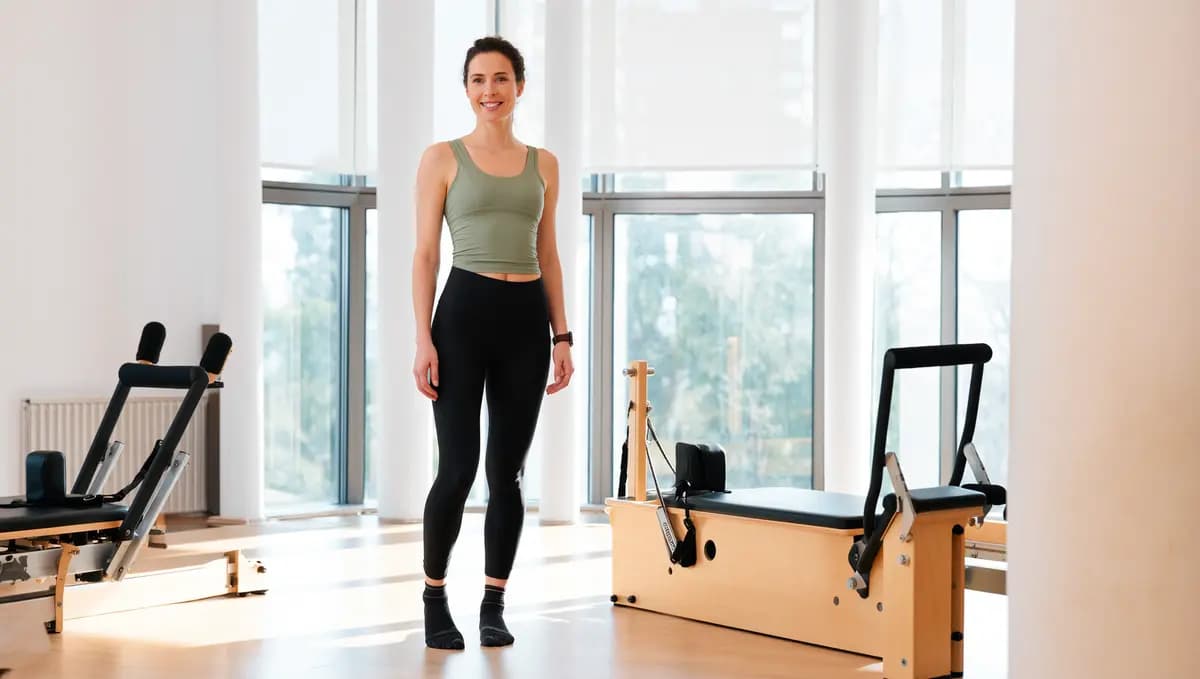
What to Wear to Pilates: The Complete Outfit Guide for Every Class Type
Walking into your first Pilates class can feel intimidating—especially when you are not sure what to wear. According to fitness industry surveys, 61% of first-time Pilates students worry about wearing the wrong outfit, with many unsure about the difference between mat and reformer class requirements.
The challenge? Pilates involves controlled movements, inversions, and equipment interaction that demand specific clothing considerations. What works for running or yoga may not work for Pilates. The wrong outfit can distract you from your practice, cause wardrobe malfunctions during inversions, or even create safety issues on reformer equipment.
This comprehensive guide covers everything you need to know about what to wear to Pilates in 2026. We will explore outfit requirements for mat, reformer, and wall Pilates, discuss fabric choices, explain why fit matters, and provide complete outfit formulas for every class type.
"I wore baggy joggers to my first reformer class and spent half the time adjusting my pants instead of focusing on form. Once I switched to proper Pilates attire, everything clicked. The right outfit really does make a difference." — Sarah M., Pilates Enthusiast, Los Angeles
Understanding Pilates Class Types and Their Outfit Requirements
Different Pilates formats have different clothing needs. Before choosing your outfit, understand what each class type involves.
Mat Pilates
What it is: Floor-based Pilates performed on a mat, focusing on core strength, flexibility, and controlled movements.
Movement considerations:
- Rolling exercises (roll-ups, rolling like a ball)
- Inversions (shoulder bridges, scissors)
- Prone positions (swimming, swan)
- Side-lying exercises
Outfit needs:
- Form-fitting to allow instructor visibility of alignment
- Secure fit during rolling and inversions
- Comfortable for floor contact
- Non-restrictive for full range of motion
Reformer Pilates
What it is: Equipment-based Pilates using a sliding carriage with springs, straps, and a foot bar.
Movement considerations:
- Feet in straps for leg circles and hamstring work
- Hands in straps for arm exercises
- Lying, kneeling, and standing on moving carriage
- Spring tension creates resistance
Outfit needs:
- Close-fitting clothing that will not catch in springs or straps
- Secure waistband that stays in place during all positions
- Fabric that glides smoothly on the carriage
- Grip socks essential for foot bar and carriage traction
Wall Pilates
What it is: Pilates exercises performed using a wall for support and resistance, popular for home practice.
Movement considerations:
- Standing exercises against the wall
- Wall sits and slides
- Leg lifts with wall support
- Some floor work near the wall
Outfit needs:
- Similar to mat Pilates
- Smooth fabric that slides easily on wall surfaces
- Non-restrictive for wall-based movements
- Comfortable for transitions between standing and floor work
The Essential Fabric Requirements for Pilates Clothing
Fabric choice directly impacts your Pilates experience. Here is what to look for and what to avoid.
Best Fabrics for Pilates
Four-way stretch blends: The gold standard for Pilates clothing.
- Moves with your body in all directions
- Returns to shape after stretching
- Maintains coverage during movements
- Common blends: nylon/spandex, polyester/elastane
Moisture-wicking materials: Keep you dry and comfortable.
- Pull sweat away from skin
- Prevent uncomfortable dampness during longer classes
- Help regulate body temperature
- Reduce chafing during repetitive movements
Compression fabrics: Provide support and muscle awareness.
- Light compression helps body awareness
- Supports muscles during controlled movements
- Stays in place without adjusting
- Smooth silhouette under any top
Fabrics to Avoid for Pilates
Cotton: While comfortable for casual wear, cotton fails in Pilates.
- Absorbs and retains sweat
- Becomes heavy and uncomfortable
- Loses shape during class
- Does not stretch adequately for Pilates movements
Loose weaves and mesh panels: Can create problems.
- May catch on reformer springs or straps
- Mesh can snag on equipment
- Does not provide adequate coverage during inversions
- Can shift out of place
Slippery fabrics: Create grip issues.
- Slide on reformer carriage
- Make balance exercises harder
- Can be dangerous during certain movements
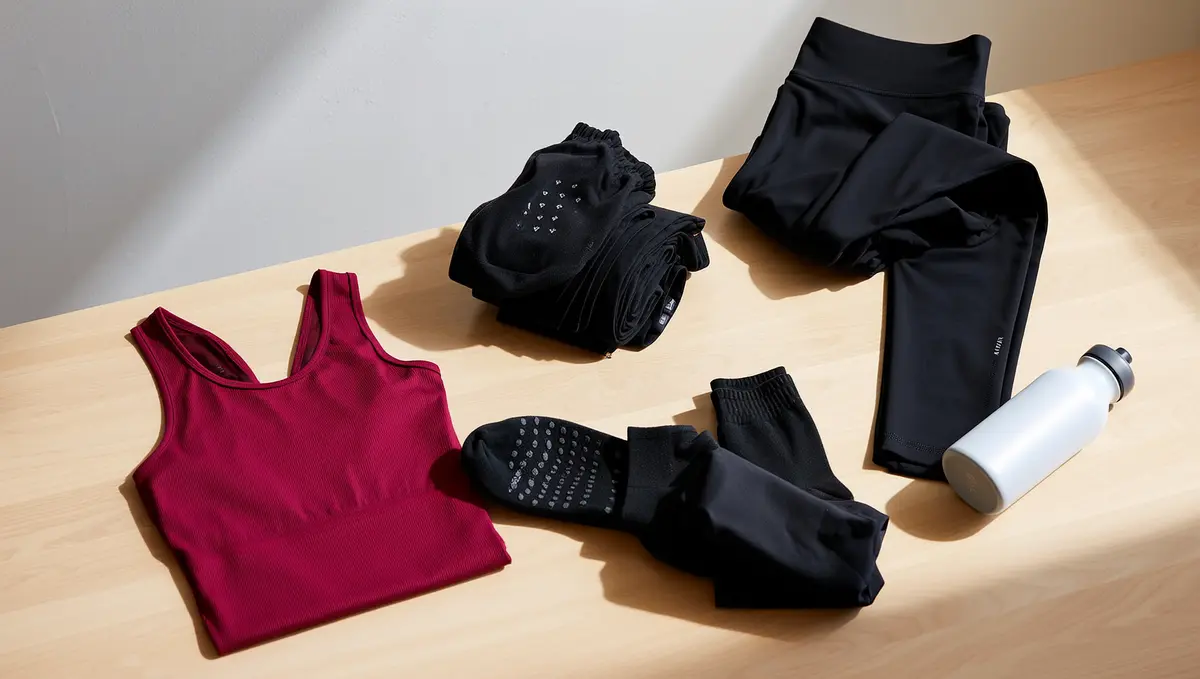
Why Fit Matters: The Case for Form-Fitting Pilates Attire
Form-fitting clothing is not just about aesthetics—it is functional for Pilates.
Instructor Visibility
Pilates emphasizes precise alignment. Your instructor needs to see your body position to provide corrections.
- Loose clothing hides posture and alignment
- Fitted clothing allows instructors to spot form issues
- Visual feedback helps you improve faster
- Especially important for beginners learning proper technique
Equipment Safety
Reformer equipment has moving parts, springs, and straps.
- Loose fabric can catch in springs
- Baggy tops can get trapped under carriage
- Long, loose sleeves may tangle in straps
- Fitted clothing prevents equipment-related incidents
Inversion Confidence
Many Pilates exercises involve inversions and rolling.
- Loose tops fall down during shoulder bridges
- Baggy pants shift during leg circles in straps
- Form-fitting clothing stays in place
- No awkward adjustments mid-exercise
Movement Freedom
Pilates requires full range of motion without restriction.
- Form-fitting does not mean tight or constricting
- Stretchy fitted clothing moves with you
- No excess fabric to bunch or restrict
- Complete freedom for deep stretches and extensions
Complete Pilates Outfit Guide for Women
Bottoms: Leggings and Shorts
High-waisted leggings are the Pilates standard.
What to look for:
- High waist (at or above navel) that stays put
- Four-way stretch fabric
- Squat-proof and opaque material
- Flat seams to prevent chafing
- Ankle-length or 7/8 length (avoid full-length that bunches)
Style options:
- Solid colors (classic and versatile)
- Subtle patterns (add personality without distraction)
- Compression fit (medium compression recommended)
What to avoid:
- Low-rise leggings (ride down during inversions)
- Loose joggers or sweatpants
- Shorts with wide leg openings (for reformer classes)
- Leggings with external pockets or zippers that can snag
Shorts for Pilates:
- Bike shorts (5-7 inch inseam) work for mat Pilates
- Fitted running shorts acceptable for mat classes
- For reformer: longer fitted shorts recommended
- Avoid loose athletic shorts
Tops: Support and Coverage
Choose tops that stay in place and provide appropriate coverage.
Sports bras:
- Medium support adequate for Pilates (low-impact activity)
- Can be worn alone or under tops
- Racerback or standard styles both work
- Look for comfortable band that does not dig in
Tank tops:
- Fitted but not restrictive
- Long enough to stay tucked during inversions
- Built-in shelf bra optional but convenient
- Racerback allows full shoulder movement
Short-sleeve and long-sleeve options:
- Fitted t-shirts work for those wanting more coverage
- Long-sleeve crops popular for cooler studios
- Avoid loose or oversized styles
- Look for thumbhole options in long sleeves
What to avoid:
- Loose or flowy tops
- Low-cut necklines (exposure during inversions)
- Crop tops that are too short (ride up during movements)
- Tops with loose straps or tie details
Complete Pilates Outfit Guide for Men
Men's Pilates attire follows the same principles: fitted, stretchy, and secure.
Bottoms for Men
Fitted athletic shorts:
- 7-9 inch inseam recommended
- Compression liner or fitted style
- Stretchy fabric for full leg movement
- Secure waistband that stays in place
Compression shorts or tights:
- Increasingly popular for Pilates
- Excellent for reformer classes
- Provide muscle support and awareness
- Can be worn alone or under shorts
What to avoid:
- Loose basketball shorts (shift during leg exercises)
- Very short shorts (coverage issues in straps)
- Jeans or non-stretch pants
- Cargo shorts or shorts with external pockets
Tops for Men
Fitted moisture-wicking t-shirts:
- Standard choice for most men
- Performance fabric that moves with you
- Fitted but not tight
- Crew neck or V-neck both work
Tank tops:
- Good option for warmer studios
- Allow full shoulder visibility for instructors
- Fitted style stays in place
- Athletic cut recommended
Compression tops:
- Long-sleeve options for cooler studios
- Provide muscle awareness
- Stay in place during all movements
What to avoid:
- Loose cotton t-shirts
- Oversized muscle tanks
- Shirts with large logos or graphics (can distract)
Footwear for Pilates: The Grip Sock Guide
Pilates is typically performed barefoot or in grip socks—never in regular athletic shoes.
Why Grip Socks Matter
Safety and hygiene:
- Non-slip grip dots prevent slipping
- Hygiene requirement at most studios
- Protect your feet on shared equipment
- Provide warmth during floor work
Performance benefits:
- Better traction on reformer foot bar
- Stability during standing exercises
- Foot awareness without full barefoot exposure
- Consistent grip on mat and equipment
Choosing Grip Socks
Style options:
- Full-toe coverage (most common)
- Toeless/open-toe (for toe spread and grip)
- Low-cut ankle style
- Higher crew-length for extra warmth
Grip pattern:
- Full-sole grip (best for reformer)
- Toe and heel grip (adequate for mat)
- Look for durable rubber dots
Fit considerations:
- Snug but not tight
- No bunching inside the sock
- True to shoe size usually works
- Some brands run small—check reviews
Studio Requirements
Most studios require grip socks for reformer classes.
- Check your studio's policy before first class
- Many studios sell grip socks if you forget
- Some studios allow barefoot for mat classes
- Grip socks recommended even when not required
Outfit Formulas by Pilates Type
Mat Pilates Outfit Formula
Classic mat Pilates look:
Women:
- High-waisted 7/8 leggings (solid color)
- Fitted tank top with built-in bra OR sports bra with fitted t-shirt
- Grip socks (full-toe coverage)
- Hair secured away from face
Men:
- Fitted athletic shorts (7-9 inch inseam) with liner
- Fitted moisture-wicking t-shirt
- Grip socks
- Optional: compression shorts under athletic shorts
Why it works:
- Full coverage for floor work
- Secure fit for rolling exercises
- Instructor can see alignment
- Comfortable for full class duration
Reformer Pilates Outfit Formula
Reformer-specific considerations:
Women:
- High-waisted full-length leggings (no external zippers or hardware)
- Long fitted tank or sports bra with fitted crop top
- Grip socks with full-sole grip (essential)
- Hair secured in low bun or braid (high ponytails interfere with headrest)
Men:
- Fitted shorts with compression liner OR compression tights
- Fitted tank or t-shirt
- Grip socks with full-sole grip
- No loose clothing anywhere
Why it works:
- Nothing to catch in springs or straps
- Secure fit for feet-in-straps exercises
- Smooth fabric glides on carriage
- Full grip for safety on moving equipment
Wall Pilates Outfit Formula
Wall Pilates (often home practice):
Women:
- High-waisted leggings (any length)
- Comfortable fitted top (more flexibility than studio classes)
- Grip socks or barefoot on carpet
- Sports bra for support
Men:
- Fitted shorts or athletic pants
- Comfortable fitted t-shirt
- Barefoot or grip socks depending on floor surface
Why it works:
- More flexibility for home practice
- Still form-fitting for proper form
- Adaptable to your environment
- Comfortable for longer practice sessions
What NOT to Wear to Pilates
Avoid these common outfit mistakes:
Loose and Baggy Clothing
Why it fails:
- Gets caught in reformer equipment
- Hides your form from instructor
- Falls down during inversions
- Creates distractions during class
Instead: Always choose fitted, stretchy clothing.
Jewelry and Accessories
What to remove:
- Dangling earrings (can catch in straps)
- Long necklaces (uncomfortable during prone exercises)
- Bracelets and watches (can scratch equipment)
- Rings with large stones (can dig into hands)
Safe options:
- Small stud earrings
- Simple silicone wedding bands
- Hair ties and headbands
Low-Rise Bottoms
Why they fail:
- Ride down during inversions and bending
- Require constant adjustment
- Expose more than intended during exercises
- Distract you from your practice
Instead: Choose high-waisted styles that stay in place.
Regular Athletic Shoes
Why they fail:
- Not allowed on reformer equipment
- Restrict foot flexibility needed for Pilates
- Heavy and unnecessary for floor-based work
- Can damage studio floors and equipment
Instead: Grip socks or barefoot as studio allows.
Zippered or Hardware Details
Why they fail:
- Can scratch reformer carriage and leather
- Get caught in springs and straps
- Uncomfortable during floor work
- Can injure you or damage equipment
Instead: Choose seamless, hardware-free clothing.
Seasonal Pilates Outfit Considerations
Warm Weather and Hot Studios
When you will be sweating more:
- Moisture-wicking fabric essential
- Lighter colors help stay cool
- Fitted shorts acceptable for mat classes
- Sports bra alone may be appropriate
- Bring a light layer for cool-down
Cool Weather and Cold Studios
When you need extra warmth:
- Long-sleeve fitted tops work well
- Full-length leggings for extra warmth
- Grip socks with higher coverage
- Light jacket or wrap for before and after class
- Warm up with extra layer, remove as you heat up
How Klodsy Can Help You Plan Your Pilates Wardrobe
Klodsy's AI-powered tools make Pilates outfit planning easier:
Virtual Try-On for Activewear
Before you buy, see how it looks:
- Visualize different legging and top combinations
- Test colors and patterns together
- See how outfit looks in Pilates positions
- Make confident purchasing decisions
Wardrobe Planning
Build your Pilates collection:
- See what pieces work together
- Identify gaps in your activewear wardrobe
- Plan purchases based on actual needs
- Create multiple outfit options from fewer pieces
Style Coordination
Look good while working out:
- Match colors and styles
- Create cohesive activewear looks
- Plan outfits before early morning classes
- Save favorite combinations for quick reference
Budget-Friendly Pilates Outfit Tips
You do not need to spend a fortune on Pilates attire:
Start with Basics
Essential pieces on a budget:
- Two pairs of quality high-waisted leggings
- Two fitted tanks or t-shirts
- One sports bra (or use what you have)
- One pair of grip socks
Where to save:
- Target and Old Navy activewear performs well
- Amazon basics for grip socks
- Sales at athletic retailers
- End-of-season clearance
Invest in Quality Where It Matters
Worth spending more on:
- Leggings (better fabrics last longer, stay opaque)
- Sports bras (comfort and support)
- Grip socks (durability and safety)
What to Skip
Not necessary:
- Branded Pilates-specific clothing
- Matching sets (mix and match works)
- Multiple colors of same item
- Specialized warmup pieces
First Class Checklist
Before your first Pilates class, ensure you have:
- High-waisted stretchy leggings or fitted shorts
- Fitted tank top, t-shirt, or sports bra
- Grip socks (check studio requirements)
- Hair tie to secure hair away from face
- Water bottle
- Small towel (optional)
- Jewelry removed or minimal
- Studio requirements confirmed
Conclusion: Dress for Movement and Focus
The right Pilates outfit allows you to focus on your practice rather than your clothing. By choosing fitted, stretchy, high-quality fabrics and understanding the specific needs of mat, reformer, and wall Pilates, you can walk into any class with confidence.
Key takeaways:
- Form-fitting clothing is functional, not just fashionable
- High-waisted bottoms prevent adjustment distractions
- Grip socks are essential for reformer classes
- Avoid loose clothing, jewelry, and regular shoes
- Four-way stretch fabrics move with your body
- Different Pilates types have slightly different needs
Remember: Pilates is about controlled, precise movement. Your clothing should support that precision, not distract from it. With the right outfit, you can fully engage with your practice and get the most from every class.
Ready to build your perfect Pilates wardrobe? Try Klodsy to visualize activewear combinations, plan your workout outfits, and ensure you look and feel great in every class.
Related Articles
What to Wear to the Gym: Workout Outfit Guide 2026
Complete guide on what to wear to the gym for every workout. Gym outfit ideas for cardio, weightlifting, HIIT, and classes plus fabric and footwear tips.
What to Wear to Yoga: Complete Outfit Guide 2026
Learn what to wear to yoga for every style. Expert guide to yoga clothes for Vinyasa, hot yoga, and more. Fabric tips, outfit formulas, and what to avoid.
What to Wear Running: Activewear Guide for Every Season
Discover what to wear running in any weather. Learn about running outfits for hot weather, cold weather, rain, and different temperatures. Get activewear recommendations, layering tips, and complete running gear guides.
Frequently Asked Questions
Everything you need to know about this topic
For your first Pilates class, wear form-fitting, stretchy clothing that allows full range of motion. Opt for high-waisted leggings, a fitted tank or sports bra, and bring grip socks. Avoid loose clothing that can bunch up during inversions or get caught in reformer equipment.