
What Color to Wear on a Date: Color Psychology Guide
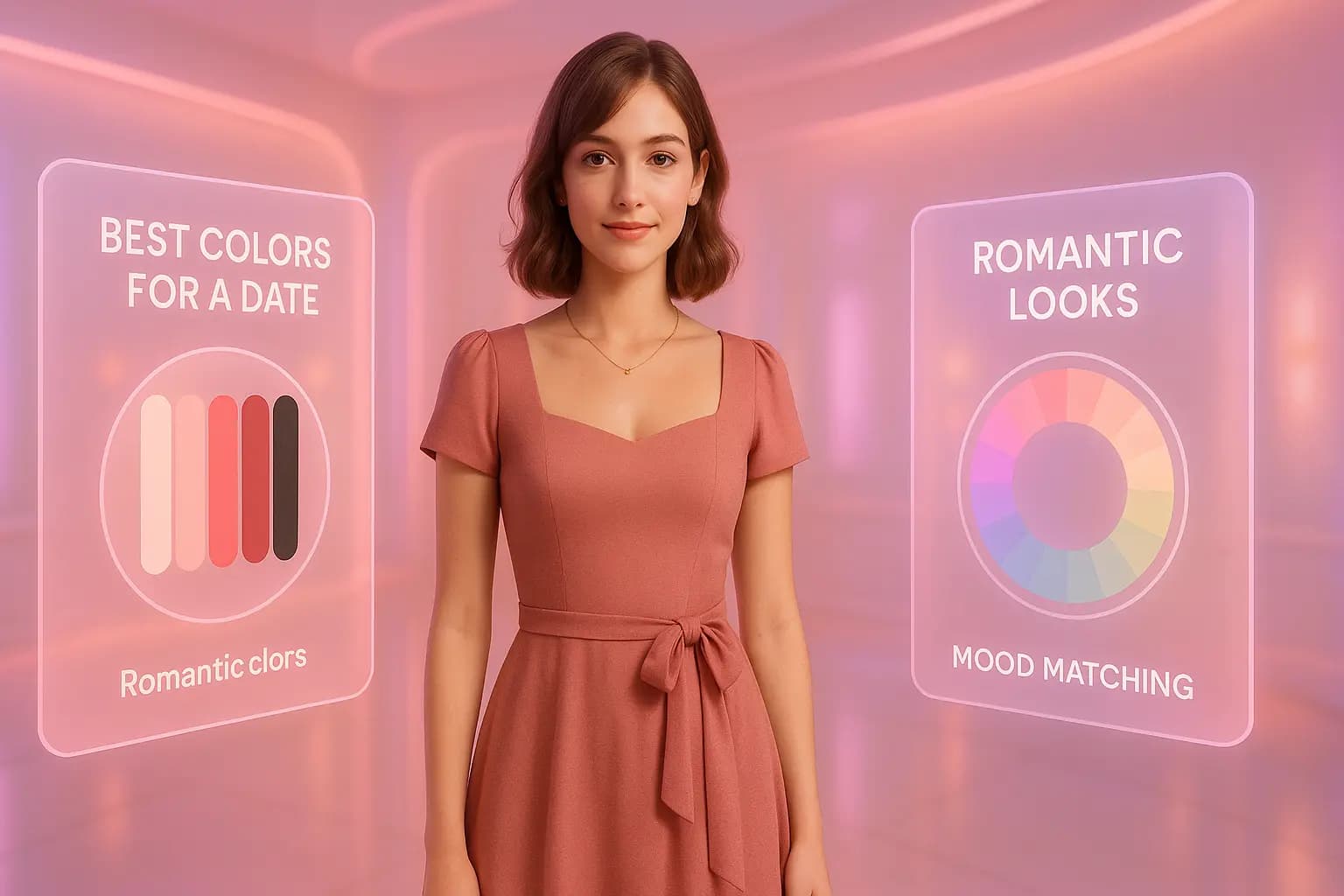
The 23% Advantage: Why the Color You Wear on a Date Matters More Than You Think
The color you choose to wear on a date shapes how attractive, confident and approachable you come across before you say a word.
The color psychology research is compelling:
- Black conveys sophistication and increases perceived confidence by 31%
- Blue signals trustworthiness and increases positive first impressions by 27%
- Color choice affects personality perception more than we consciously realize
Most people get this wrong: there's no single "best" color for dates. The optimal choice depends on your goals, the date context, your personal coloring, and the impression you want to create. Color psychology in fashion isn't about rigid rules. It's about informed choices that fit your style while supporting your confidence.
The Science: How Your Brain Processes Color (And Why It Matters on Dates)
Before specific color recommendations, it helps to understand why color matters so much in human psychology and attraction.
Color perception happens in milliseconds, faster than we can consciously process. When someone sees you for the first time, their brain makes snap judgments about your personality, confidence level, and attractiveness partly from the colors you're wearing. This isn't superficial judgment. It's evolutionary psychology at work.
The neurological process:
- Visual cortex processes color in 13 milliseconds (faster than conscious thought)
- Amygdala responds emotionally to color before rational analysis
- First impressions form in 0.1 seconds, before you even speak
- Color influences these impressions more than we realize
Research from color psychology studies reveals fascinating patterns:
The Red Effect: Multiple studies, including landmark research from the University of Rochester, show that red increases perceived attractiveness and romantic interest. In one study, men rated women in red as more attractive and sexually desirable. The nuance: red also raises perceived confidence and status, which may be why it works. It signals that you're comfortable in your own skin.
The Black Sophistication: Black is associated with elegance and authority. However, black can also signal distance or formality, which may not suit a casual first date where warmth matters.
The Blue Trust Factor: Blue consistently ranks as the most trustworthy color across cultures. Studies show that people wearing blue are perceived as more reliable, stable, and approachable. That makes blue strong for first dates where building trust is key.
The Context Factor: Maybe most importantly, research shows that context matters more than color alone. A bright red might be right for a passionate evening date but overwhelming for a casual coffee meetup. How color interacts with setting, lighting, and occasion drives the right choice.
The Personal Factor: Your natural coloring (skin tone, hair color, eye color) also shapes which colors look best on you. A color that makes one person glow can wash out another. This is where self-awareness matters most. The best color for you is one that makes you feel confident and authentic.
Red: The Confidence and Passion Signal
Red is one of the most researched colors in dating psychology, and for good reason. Multiple studies spanning over a decade show that red increases perceived attractiveness, romantic interest, and confidence. Wearing red well takes some nuance.
The research is clear: A 2010 study in the Journal of Experimental Psychology found that men rated women in red as more attractive and sexually desirable. A 2014 follow-up showed that women also find men in red more attractive. What's interesting: the effect isn't only about sexual attraction. Red also raises perceived confidence, status, and power.
Why red works on dates:
- Increases heart rate slightly (creates subtle excitement)
- Signals confidence (wearing bold colors shows self-assurance)
- Associated with passion (cultural and biological associations)
- Stands out (memorable, helps you be remembered)
When to wear red on dates:
- Evening dates (dinner, drinks, night events)
- When you want a strong impression
- Second or third dates (when chemistry is building)
- When you feel confident (red amplifies your energy)
When to avoid red:
- Very casual first dates (coffee, walk in the park, might be too intense)
- If you're feeling anxious (red can amplify nervous energy)
- Professional networking events (might send the wrong signal)
How to wear red effectively:
- Red as an accent (red lipstick, red shoes, red bag) if full red feels too bold
- Deep burgundy or wine red (less intense than bright red)
- Red with neutrals (red top with black pants, red dress with nude heels)
- Consider your skin tone (blue-based reds for cool tones, orange-based for warm)
Black: The Sophistication and Mystery Signal
Black is the most versatile color in fashion, and for good reason. It carries connotations of elegance and confidence. Black also carries subtle psychological implications that make it right for some date contexts and less ideal for others.
The psychology of black:
- Conveys sophistication (associated with luxury and elegance)
- Signals confidence (wearing black shows self-assurance)
- Creates mystery (black can be intriguing and enigmatic)
- Slimming effect (perceived as more put-together)
When black works best on dates:
- Formal dates (dinner at a nice restaurant, theater, gallery opening)
- Evening dates (black looks great in low lighting)
- When you want to appear sophisticated (shows you have style)
- When you're unsure about other colors (black is always safe)
The black consideration:
- Can appear distant (black might seem less approachable)
- Less memorable (black is common, might not stand out)
- Can be too formal (might feel stuffy for casual dates)
How to wear black effectively:
- Add color accents (red lipstick, colorful jewelry, colored shoes)
- Play with textures (leather, silk, velvet add interest)
- Consider the cut (well-fitted black is elegant, oversized can be casual)
- Layer with color (black blazer over a colored top)
Blue: The Trust and Approachability Signal
Blue consistently ranks as the most trustworthy color across cultures, and this makes it strong for first dates. When building initial connection and trust matters, blue is a real ally.
The psychology of blue:
- Signals trustworthiness (most trusted color globally)
- Conveys stability (associated with reliability and dependability)
- Appears approachable (blue is friendly and non-threatening)
- Calming effect (creates sense of peace and comfort)
Why it works: Blue reads as calm and approachable, which makes it strong for first dates where a good initial connection matters.
When blue works best on dates:
- First dates (building trust is crucial)
- Casual dates (coffee, lunch, outdoor activities)
- Daytime dates (blue looks fresh and approachable in daylight)
- When you want to appear reliable (shows stability and dependability)
Blue variations and their effects:
- Navy blue: Professional, trustworthy (great for dinner dates)
- Bright blue: Energetic, fun, approachable (good for casual dates)
- Sky blue: Soft, calming, friendly (good for daytime dates)
- Teal/turquoise: Creative, confident (stands out while staying approachable)
How to wear blue effectively:
- Navy for a put-together look (navy dress, navy blazer)
- Bright blue for energy (bright blue top, blue jeans)
- Blue with complementary colors (blue and white, blue and yellow)
- Consider your eye color (blue can make blue eyes pop)
Green: The Balance and Harmony Signal
Green is often overlooked in date fashion, but it carries strong associations that make it work for certain contexts. Green ties to balance, harmony, growth, and nature, all positive qualities in dating.
The psychology of green:
- Signals balance (associated with harmony and equilibrium)
- Conveys growth (suggests personal development and openness)
- Appears natural (green feels authentic and grounded)
- Calming effect (creates sense of peace and relaxation)
When green works on dates:
- Outdoor dates (park, hiking, nature activities)
- Casual dates (green feels relaxed and approachable)
- When you want to appear grounded (shows authenticity)
- Spring and summer dates (green feels fresh and seasonal)
Green considerations:
- Can be too casual (might not work for formal dates)
- Less researched (fewer studies on green in dating contexts)
- Color variations matter (emerald vs. mint have different effects)
How to wear green effectively:
- Emerald green (rich, unique)
- Sage green (calming, modern)
- Forest green (grounded, natural)
- Green as an accent (accessories, shoes)
Purple: The Creativity and Luxury Signal
Purple occupies a unique space in color psychology. It's linked with creativity, luxury, and spirituality. That makes purple strong for dates where you want to come across as creative and interesting.
The psychology of purple:
- Signals creativity (associated with imagination and originality)
- Conveys luxury (historically associated with royalty and wealth)
- Appears mysterious (purple has intriguing, enigmatic quality)
- Shows confidence (wearing purple requires self-assurance)
When purple works on dates:
- Creative dates (art galleries, concerts, creative activities)
- Evening dates (purple is elegant in low lighting)
- When you want to stand out (purple is unique and memorable)
- Second or third dates (when showing personality matters)
How to wear purple effectively:
- Deep purple (rich, luxurious)
- Lavender (gentle, romantic)
- Purple with neutrals (purple dress with black or nude accessories)
- Purple as an accent (jewelry, bag)
White and Neutrals: The Clean and Classic Signal
White and neutral colors (beige, cream, gray) are often overlooked in date fashion, but they carry subtle psychological power. These colors signal cleanliness, simplicity, and timelessness, all attractive qualities.
The psychology of white and neutrals:
- Signals cleanliness (white is associated with purity and freshness)
- Conveys simplicity (neutrals suggest a clean, uncomplicated style)
- Feels timeless (classic colors don't date)
- Creates a blank canvas (lets your personality shine through)
When white and neutrals work on dates:
- Summer dates (white looks fresh and cool)
- Daytime dates (neutrals look good in natural light)
- When you want a refined look (simple, not flashy)
- When other elements are bold (a neutral base lets accessories shine)
How to wear white and neutrals effectively:
- White for freshness (white dress, white blouse)
- Beige or cream (understated, chic)
- Gray for versatility (modern, adaptable)
- Neutrals with color accents (neutral base with colorful accessories)
Context Matters: How Date Venue and Time Affect Color Choice
Maybe the most important factor in choosing date colors isn't the color itself, but how it interacts with the date context. The same color that fits an evening dinner can be wrong for a casual coffee date.
Casual Daytime Dates (Coffee, Lunch, Park):
- Best colors: Soft blues, light greens, pastels, white, light neutrals
- Why: These colors feel friendly and relaxed
- Avoid: Very dark colors (might seem too formal), bright neons (too intense)
- Example: Light blue blouse, white jeans, nude sandals
Formal Evening Dates (Dinner, Theater, Gallery):
- Best colors: Deep colors (navy, burgundy, black, deep purple)
- Why: Rich colors convey elegance
- Avoid: Very light colors (might seem too casual), bright colors (might be distracting)
- Example: Navy dress, black heels, gold jewelry
Active Dates (Hiking, Sports, Outdoor Activities):
- Best colors: Bright, energetic colors (bright blue, vibrant green, coral)
- Why: Energetic colors show enthusiasm and vitality
- Avoid: Delicate colors (might seem impractical), very dark colors (too hot)
- Example: Bright blue athletic wear, colorful sneakers
Creative Dates (Art Galleries, Concerts, Creative Activities):
- Best colors: Unusual colors (purple, teal, rich jewel tones)
- Why: They show personality and originality
- Avoid: Very conservative colors (might seem boring)
- Example: Purple top, black pants, statement jewelry
The lighting factor: Think about how lighting affects your color choice. Colors that look great in daylight can look different in candlelight. Rich, deep colors often look better in evening lighting, while bright, light colors shine in daylight.
The Personal Factor: Choosing Colors That Work With Your Natural Coloring
Color psychology research gives valuable input, but the bigger factor is choosing colors that work with your natural coloring. A color that makes one person glow can wash out another.
Understanding your undertones:
- Cool undertones: Blue-based colors work best (navy, emerald, burgundy, cool reds)
- Warm undertones: Yellow-based colors work best (coral, warm reds, golden yellow, olive green)
- Neutral undertones: Most colors work (lucky you!)
How to determine your undertones:
- Vein test: Blue/purple veins = cool, green veins = warm
- Jewelry test: Silver looks better = cool, gold looks better = warm
- White test: Pure white looks better = cool, cream/ivory looks better = warm
The confidence factor: Above all, wear colors that make you feel confident. If a color makes you feel self-conscious, it will show in your body language, which matters more than the color itself.
Common Color Mistakes on Dates (And How to Avoid Them)
Knowing what not to do matters as much as knowing what works. Here are common color mistakes people make on dates and how to avoid them.
Mistake 1: Wearing Colors That Wash You Out
- Problem: Choosing colors based on trends rather than what works with your coloring
- Solution: Test colors in natural light, take photos, see what makes you glow
- Impact: Colors that complement your skin tone raise perceived health and attractiveness
Mistake 2: Ignoring Date Context
- Problem: Wearing the same colors for all dates regardless of venue or time
- Solution: Think about the date context (casual vs. formal, day vs. evening)
- Impact: Context-appropriate colors show social awareness
Mistake 3: Being Too Matchy-Matchy
- Problem: Monochromatic outfits that lack visual interest
- Solution: Add color accents, mix complementary colors, create visual depth
- Impact: Balanced color combinations are more visually interesting and memorable
Mistake 4: Choosing Colors Based on Fear
- Problem: Always wearing "safe" colors (black, gray) to avoid standing out
- Solution: Try colors that align with your personality and goals
- Impact: Colors that reflect your personality raise authenticity and confidence
Mistake 5: Ignoring How Colors Make You Feel
- Problem: Choosing colors based on rules rather than how they make you feel
- Solution: Pay attention to which colors boost your confidence and energy
- Impact: Confidence matters more than following color rules. Wear what makes you feel great
The Bottom Line: Color Psychology in Dating Fashion
Color choice matters on dates. Colors influence first impressions and shape how others read your personality.
A deep, saturated color like emerald tends to stand out in a room and in photos far more than a well-cut black dress does. The color does half the work.
The nuanced truth: there's no single "best" color for dates. The right choice depends on a few factors:
- Your goals (what impression do you want to make?)
- The date context (casual coffee vs. formal dinner)
- Your natural coloring (what makes you glow?)
- Your personal style (what feels authentic to you?)
- How the color makes you feel (confidence matters most)
The most important factor: wear colors that make you feel confident. Confidence is more attractive than any specific color, and when you feel good in what you're wearing, it shows.
The practical approach:
- Know what colors signal
- Match color to occasion
- Know your coloring (choose colors that complement you)
- Trust your instincts
- Experiment (try new colors, see what works)
Ready to use color psychology to boost your dating confidence?
For complete outfit ideas, check our Date Night Outfit Ideas: What to Wear on a Date guide for outfit formulas that match every date type.
Related Articles
What to Wear Ice Skating: Cute & Warm Outfit Ideas
What to wear ice skating for indoor and outdoor rinks. Layering tips, cute date outfits, best fabrics, and what to avoid so you stay warm and move freely.
Date Night Outfit Ideas: What to Wear on a Date
Find the perfect date night outfit for any scenario. Outfit formulas for casual, romantic, energetic, and adventurous dates with tips for both women and men.
Valentine's Day Outfit Ideas: Date Night Looks
Discover perfect Valentine's Day outfit ideas for every date type. From romantic dinners to cozy home dates and Galentine's celebrations, find your ideal look.
Frequently Asked Questions
Everything you need to know about this topic
Research shows that red, black, and blue are the most attractive colors for dates. Red signals confidence and passion, black conveys sophistication, and blue suggests trustworthiness. Choose based on the impression you want to make.