
Sustainable Children's Fashion: Eco-Friendly Kids Clothes
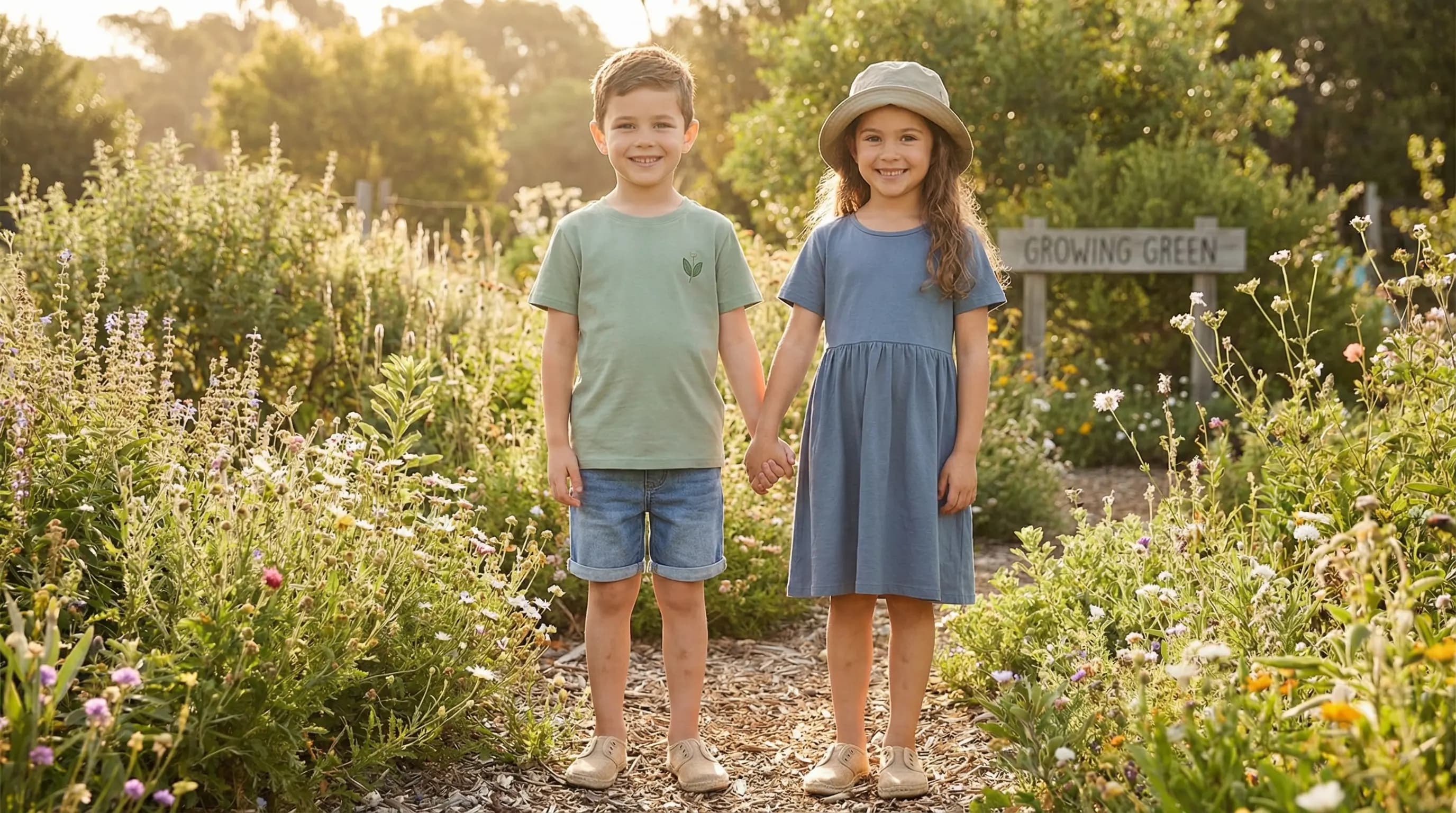
Sustainable Children's Fashion: Building an Eco-Friendly Kids Wardrobe
Every parent wants the best for their children—and that increasingly means choosing sustainable, eco-friendly clothing. As awareness grows about the environmental impact of fast fashion, more families are seeking alternatives that are better for the planet and safer for their kids.
The children's clothing industry faces significant sustainability challenges:
- 85% of children's clothes end up in landfills within one year
- 20% of global water pollution comes from textile dyeing and treatment
- 700 gallons of water needed to produce one cotton t-shirt
- 10% of global carbon emissions from the fashion industry
- 1 in 3 children's clothes contains harmful chemicals or dyes
The good news? Sustainable children's fashion is more accessible than ever. From organic cotton basics to recycled polyester activewear, eco-friendly options are available at every price point. Building a sustainable kids' wardrobe doesn't mean sacrificing style or breaking the bank—it means making smarter choices that benefit your child and the planet.
"I switched to sustainable children's clothes two years ago, and it's been life-changing. Not only do the clothes last longer, but I feel good knowing I'm teaching my kids about environmental responsibility. Plus, the quality is incredible—my daughter's organic cotton dress from last year still looks brand new." — Sarah M., Parent, Portland
Why Sustainable Children's Fashion Matters
Children's clothing has a unique environmental footprint. Kids grow quickly, meaning clothes are worn for shorter periods and replaced more frequently. This creates a cycle of consumption that's particularly wasteful.
The environmental impact of conventional children's clothing:
Water consumption:
- 2,700 liters of water to produce one cotton t-shirt
- Children's clothing accounts for 15% of global textile water usage
- Cotton farming uses 2.4% of the world's arable land but 24% of insecticides
Chemical pollution:
- 8,000+ synthetic chemicals used in textile production
- 20% of industrial water pollution from textile dyeing
- Children's skin is more sensitive to chemical residues
Waste generation:
- 85% of children's clothes discarded within one year
- Only 1% of textile waste is recycled into new clothing
- Landfills receive 11.3 million tons of textile waste annually
Carbon emissions:
- Fashion industry produces 10% of global carbon emissions
- Children's clothing represents 20% of total fashion production
- Fast fashion creates 1.2 billion tons of CO2 annually
The human cost:
- Child labor still exists in some fashion supply chains
- Unsafe working conditions in many manufacturing facilities
- Low wages for garment workers worldwide
Sustainable fashion addresses these issues by:
- Using organic and recycled materials
- Implementing ethical manufacturing practices
- Creating durable, long-lasting garments
- Reducing water and chemical usage
- Supporting fair labor practices
- Minimizing waste through better design
Understanding Sustainable Materials: What to Look For
Not all "eco-friendly" claims are equal. Understanding different sustainable materials helps you make informed choices for your children's wardrobe.
Organic Cotton:
- What it is: Cotton grown without synthetic pesticides or fertilizers
- Benefits: 91% less water usage, no harmful chemicals, softer on sensitive skin
- Certifications: GOTS (Global Organic Textile Standard), USDA Organic
- Best for: Everyday basics, underwear, pajamas
- Cost: 20-30% more than conventional cotton
- Durability: Lasts 2-3 times longer than conventional cotton
Bamboo:
- What it is: Fiber made from bamboo grass (rapidly renewable)
- Benefits: Naturally antibacterial, moisture-wicking, soft texture
- Certifications: FSC (Forest Stewardship Council)
- Best for: Activewear, socks, underwear
- Cost: Similar to organic cotton
- Durability: Very durable, maintains shape well
Hemp:
- What it is: Fiber from hemp plant (requires minimal water)
- Benefits: Extremely durable, naturally antimicrobial, gets softer with washing
- Certifications: GOTS, OEKO-TEX
- Best for: Outerwear, durable play clothes
- Cost: 30-40% more than cotton
- Durability: Most durable natural fiber, lasts 3-4 times longer
Recycled Polyester:
- What it is: Polyester made from recycled plastic bottles
- Benefits: Reduces plastic waste, uses 59% less energy than virgin polyester
- Certifications: Global Recycled Standard (GRS)
- Best for: Activewear, outerwear, swimwear
- Cost: Similar to conventional polyester
- Durability: Same durability as virgin polyester
Tencel/Lyocell:
- What it is: Fiber made from sustainably sourced wood pulp
- Benefits: Biodegradable, uses 50% less water than cotton, very soft
- Certifications: FSC, OEKO-TEX
- Best for: Dresses, soft tops, loungewear
- Cost: 25-35% more than cotton
- Durability: Very durable, maintains softness
Wool (Responsible Sourcing):
- What it is: Natural fiber from sheep (when ethically sourced)
- Benefits: Naturally temperature-regulating, durable, biodegradable
- Certifications: Responsible Wool Standard (RWS), ZQ Merino
- Best for: Winter clothing, sweaters, outerwear
- Cost: 40-60% more than synthetic alternatives
- Durability: Extremely durable, can last decades
What to avoid:
- Conventional cotton (high water and pesticide usage)
- Virgin polyester (petroleum-based, non-biodegradable)
- Viscose/Rayon (unless certified sustainable)
- Synthetic dyes (unless certified non-toxic)
Building a Sustainable Children's Wardrobe: Practical Strategies
Creating an eco-friendly kids' wardrobe doesn't mean replacing everything at once. Start with a few key pieces and build gradually. Here's how to approach it strategically.
The 70-20-10 Rule:
70% Basics (Sustainable Staples):
- Organic cotton t-shirts and underwear
- Bamboo socks and pajamas
- Durable jeans or pants
- Why: These are worn most frequently and washed most often
- Impact: Biggest environmental savings from sustainable basics
- Budget: Allocate most of your sustainable clothing budget here
20% Seasonal Items (Quality Over Quantity):
- Sustainable outerwear for winter
- Organic cotton summer dresses
- Recycled polyester activewear
- Why: Seasonal items are worn less but still important
- Impact: Reduces need for multiple cheap seasonal items
- Budget: Invest in quality pieces that last multiple seasons
10% Special Occasions (Rent or Buy Secondhand):
- Party dresses
- Formal wear
- Holiday outfits
- Why: Worn infrequently, often outgrown quickly
- Impact: Renting or buying secondhand reduces waste
- Budget: Minimal—focus on renting or thrifting
The Capsule Wardrobe Approach:
For toddlers (ages 2-4):
- 7-10 tops (mix of t-shirts, long-sleeves, sweaters)
- 5-7 bottoms (pants, shorts, leggings)
- 2-3 dresses (if applicable)
- 2-3 outerwear pieces (jacket, coat)
- 10-12 pairs underwear/socks
- 2-3 pairs shoes
For school-age children (ages 5-10):
- 10-12 tops (mix for school and play)
- 6-8 bottoms (pants, shorts, skirts)
- 3-4 dresses (if applicable)
- 2-3 outerwear pieces
- 14-16 pairs underwear/socks
- 3-4 pairs shoes
Benefits of capsule wardrobes:
- Reduces decision fatigue for children
- Encourages creativity with mixing and matching
- Reduces waste by buying only what's needed
- Saves money in the long run
- Easier to maintain and organize
Using AI Try-On for Sustainable Shopping:
Klodsy's virtual try-on technology helps you make better sustainable choices:
- See how clothes fit before purchasing (reduces returns)
- Try on multiple sizes to find the perfect fit
- Visualize sustainable pieces on your child
- Compare different sustainable brands side-by-side
- Plan capsule wardrobes by seeing how pieces work together
Real impact: Using virtual try-on reduces returns by 25-35%, which means fewer items end up in landfills and less carbon emissions from shipping.
Certifications and Labels: What They Mean
Understanding certifications helps you identify truly sustainable children's clothing. Here's what the most important labels mean.
GOTS (Global Organic Textile Standard):
- What it covers: Organic fiber content, environmental criteria, social criteria
- Requirements: Minimum 70% organic fibers, strict chemical restrictions, fair labor practices
- Reliability: Most comprehensive and trusted certification
- Look for: GOTS label on clothing tags
OEKO-TEX Standard 100:
- What it covers: Textile safety, absence of harmful substances
- Requirements: No harmful chemicals, tested for 100+ substances
- Reliability: Excellent for safety, doesn't guarantee sustainability
- Look for: OEKO-TEX label, especially important for children's clothes
Fair Trade Certified:
- What it covers: Social and economic standards for workers
- Requirements: Fair wages, safe working conditions, community development
- Reliability: Strong social responsibility indicator
- Look for: Fair Trade logo on products
Cradle to Cradle Certified:
- What it covers: Material health, renewable energy, water stewardship
- Requirements: Comprehensive sustainability across product lifecycle
- Reliability: Most rigorous environmental certification
- Look for: Cradle to Cradle logo (rare but excellent)
Bluesign:
- What it covers: Environmental impact of textile production
- Requirements: Resource productivity, consumer safety, air/water emissions
- Reliability: Strong environmental focus
- Look for: Bluesign label
What to do if you don't see certifications:
- Research the brand online for sustainability information
- Check their website for sustainability commitments
- Look for transparency about materials and manufacturing
- Contact the brand directly with questions
- Use your judgment based on material information provided
Cost Considerations: Making Sustainable Fashion Affordable
Sustainable children's clothing often costs more upfront, but smart strategies make it affordable. Here's how to build an eco-friendly wardrobe without breaking the bank.
The True Cost Comparison:
Fast fashion (conventional):
- T-shirt: $5-10
- Wears before outgrown: 15-20 times
- Cost per wear: $0.25-0.50
- Total annual cost: $200-400
- Environmental impact: High
Sustainable fashion:
- Organic cotton t-shirt: $12-18
- Wears before outgrown: 30-40 times (better quality, lasts longer)
- Cost per wear: $0.30-0.60
- Total annual cost: $250-350 (fewer items needed)
- Environmental impact: Low
Money-Saving Strategies:
1. Buy Secondhand First:
- Thrift stores: 50-80% savings on sustainable brands
- Online marketplaces: Poshmark, ThredUp, Kidizen
- Consignment shops: Quality sustainable pieces
- Savings: 60-70% compared to new
2. Buy During Sales:
- End-of-season sales: 30-50% off sustainable brands
- Black Friday/Cyber Monday: Many sustainable brands participate
- Clearance sections: Check regularly for deals
- Savings: 30-50% on regular prices
3. Invest in Quality Basics:
- Spend more on frequently worn items: T-shirts, underwear, socks
- Buy fewer, better pieces: Quality over quantity
- Choose versatile items: Mix and match easily
- Savings: Fewer purchases overall
4. Hand-Me-Downs and Swaps:
- Organize clothing swaps: With friends, family, community
- Accept hand-me-downs: Especially for fast-growing ages
- Pass items along: When your child outgrows them
- Savings: 100% on swapped items
5. Rent for Special Occasions:
- Party dresses: Rent instead of buying
- Formal wear: One-time use items
- Holiday outfits: Seasonal rentals
- Savings: 70-80% compared to buying
6. Take Care of Clothes:
- Follow care instructions: Extends garment life
- Mend when possible: Small repairs save big
- Proper storage: Prevents damage
- Savings: Clothes last 2-3x longer
Budget Allocation Example:
Monthly budget: $100 for children's clothing
Sustainable approach:
- $60 on basics (organic cotton, bamboo)
- $30 on seasonal items (quality outerwear, etc.)
- $10 on special occasions (rent or secondhand)
Result: Higher quality, longer-lasting wardrobe that's better for the environment.
Caring for Sustainable Children's Clothes
Proper care extends the life of sustainable clothing, maximizing your investment and environmental benefits. Here's how to care for eco-friendly kids' clothes.
Washing Guidelines:
Temperature:
- Cold water: Saves energy, preserves colors and fibers
- Warm water: Only when necessary for heavily soiled items
- Hot water: Avoid unless specifically needed (uses 90% more energy)
Detergents:
- Eco-friendly detergents: Free from harsh chemicals
- Natural alternatives: Soap nuts, baking soda, vinegar
- Avoid: Bleach, fabric softeners with chemicals
- Why: Preserves organic fibers, reduces chemical exposure
Drying:
- Air dry when possible: Saves energy, extends garment life
- Low heat if machine drying: High heat damages fibers
- Line dry in sunlight: Natural bleaching and sanitizing
- Avoid over-drying: Causes shrinkage and wear
Storage:
- Clean before storing: Prevents stains from setting
- Proper folding: Prevents wrinkles and stretching
- Breathable containers: Prevents mildew and odors
- Avoid plastic: Use cotton bags or cardboard boxes
Mending and Repair:
- Fix small holes immediately: Prevents them from getting larger
- Replace buttons: Easy fix that extends garment life
- Patch knees: Common wear area, easy to repair
- Hem adjustments: As children grow, adjust hems
Extending Garment Life:
- Rotate clothing: Prevents over-wearing specific items
- Treat stains promptly: Easier to remove when fresh
- Follow care labels: Manufacturer knows best practices
- Store properly: Prevents damage between seasons
When to Replace:
- Outgrown: Pass along to others
- Worn beyond repair: Consider recycling programs
- No longer needed: Donate to organizations
- Never: Just throw away—always find a second life
Teaching Children About Sustainable Fashion
Involving children in sustainable fashion choices teaches valuable lessons about environmental responsibility. Here's how to make it age-appropriate and engaging.
For Ages 3-5:
- Simple concepts: "These clothes are good for the Earth"
- Hands-on activities: Sorting clothes, helping with laundry
- Storytelling: Books about nature and caring for the planet
- Visual learning: Show them organic vs. conventional materials
For Ages 6-10:
- Explain why: Discuss environmental impact in simple terms
- Involve in choices: Let them pick from sustainable options
- Teach care: Show them how to take care of clothes
- Encourage questions: Answer their curiosity about sustainability
For Ages 11+:
- Deeper discussions: Explain supply chains, labor practices
- Research together: Look up brands, certifications, materials
- Encourage advocacy: Support their interest in environmental causes
- Critical thinking: Help them evaluate marketing claims
Practical Activities:
- Clothing swaps: Organize with friends or school
- Upcycling projects: Turn old clothes into new items
- Brand research: Compare sustainable vs. conventional brands
- Care routines: Teach proper washing and storage
- Donation drives: Organize clothing donations together
Long-term Benefits:
- Environmental awareness: Lifelong understanding of sustainability
- Conscious consumption: Thoughtful purchasing decisions
- Appreciation for quality: Understanding value over quantity
- Social responsibility: Awareness of global impact
The Future of Sustainable Children's Fashion
The sustainable fashion movement is growing rapidly, with exciting innovations on the horizon. Here's what to expect in the coming years.
2025-2026: Mainstream Adoption
- More affordable options: Economies of scale reducing prices
- Better availability: Sustainable options in mainstream stores
- Improved technology: Better materials and manufacturing
- Consumer demand: 73% of parents want sustainable options
2027-2028: Innovation Phase
- New materials: Lab-grown fibers, innovative recycling
- Circular fashion: More take-back and recycling programs
- Digital integration: AI helping find sustainable options
- Transparency: Blockchain tracking supply chains
2029-2030: Transformation
- Industry standards: Sustainability becomes the norm
- Regulation: Government requirements for sustainable practices
- Technology integration: Virtual try-on for all sustainable brands
- Education: Sustainability in school curricula
How to Stay Ahead:
- Follow sustainable brands: Stay updated on new releases
- Join communities: Connect with other sustainable fashion parents
- Use technology: Klodsy and other tools for better choices
- Advocate: Support policies promoting sustainable fashion
Getting Started: Your First Sustainable Purchase
Ready to start building a sustainable children's wardrobe? Here's how to make your first purchase with confidence.
Step 1: Choose Your First Item
- Start with basics: T-shirt, underwear, or socks
- Choose organic cotton: Most accessible sustainable option
- Pick a trusted brand: Look for GOTS certification
- Right size: Use Klodsy's virtual try-on to ensure perfect fit
Step 2: Evaluate Quality
- Feel the fabric: Should feel soft and substantial
- Check construction: Seams should be strong and even
- Read labels: Look for certifications and material information
- Compare: Try on similar conventional item to feel the difference
Step 3: Test and Learn
- Wear and wash: See how it holds up in real use
- Compare durability: Notice if it lasts longer than conventional
- Observe comfort: See if your child notices the difference
- Document experience: Note what works and what doesn't
Step 4: Expand Gradually
- Add one piece at a time: Build slowly and thoughtfully
- Replace as needed: Don't throw away what works
- Share experiences: Help others learn from your journey
- Celebrate progress: Every sustainable choice matters
Remember: Building a sustainable wardrobe is a journey, not a destination. Every choice makes a difference, and starting small is better than not starting at all.
The Bottom Line: Why Sustainable Children's Fashion Matters
Sustainable children's fashion isn't just a trend—it's a necessity for our planet's future. The choices we make today for our children's wardrobes impact the world they'll inherit tomorrow.
The numbers are clear:
- 85% of children's clothes end up in landfills
- 20% of water pollution from textile production
- 10% of carbon emissions from fashion industry
- 1 in 3 items contains harmful chemicals
The solution is within reach:
- Sustainable materials are more accessible than ever
- Quality over quantity saves money long-term
- Technology like Klodsy helps make better choices
- Every purchase is a vote for the future you want
The future of children's fashion is sustainable. The question isn't whether it will happen—it's whether you'll be part of the change now or catch up later.
Ready to start building a sustainable children's wardrobe?
Related Articles
AI Shopping Assistant: How to Reduce Fashion Returns in 2026
Stop returning clothes with AI shopping assistants. Learn how AI predicts fit, matches your style, and helps you buy right the first time, saving money and reducing waste.
Capsule Wardrobe AI Planner: Build a Minimalist Closet
Build a capsule wardrobe with AI. Learn how AI planners help you create a 30-piece minimalist closet that generates 100+ outfits and simplifies getting dressed forever.
How to Get Outfit Ideas from the Clothes You Already Own
Discover how to create amazing outfit ideas using only the clothes you already have. Learn combination techniques, accessory strategies, and how to maximize your wardrobe without buying anything new.
Frequently Asked Questions
Everything you need to know about this topic
Sustainable children's clothes are made from organic or recycled materials (like organic cotton, bamboo, or recycled polyester), produced with minimal environmental impact, and manufactured under ethical conditions. They're designed to last longer, reducing waste, and often use natural dyes and sustainable packaging.