
Men's Wear Guide: Building a Complete Men's Wardrobe
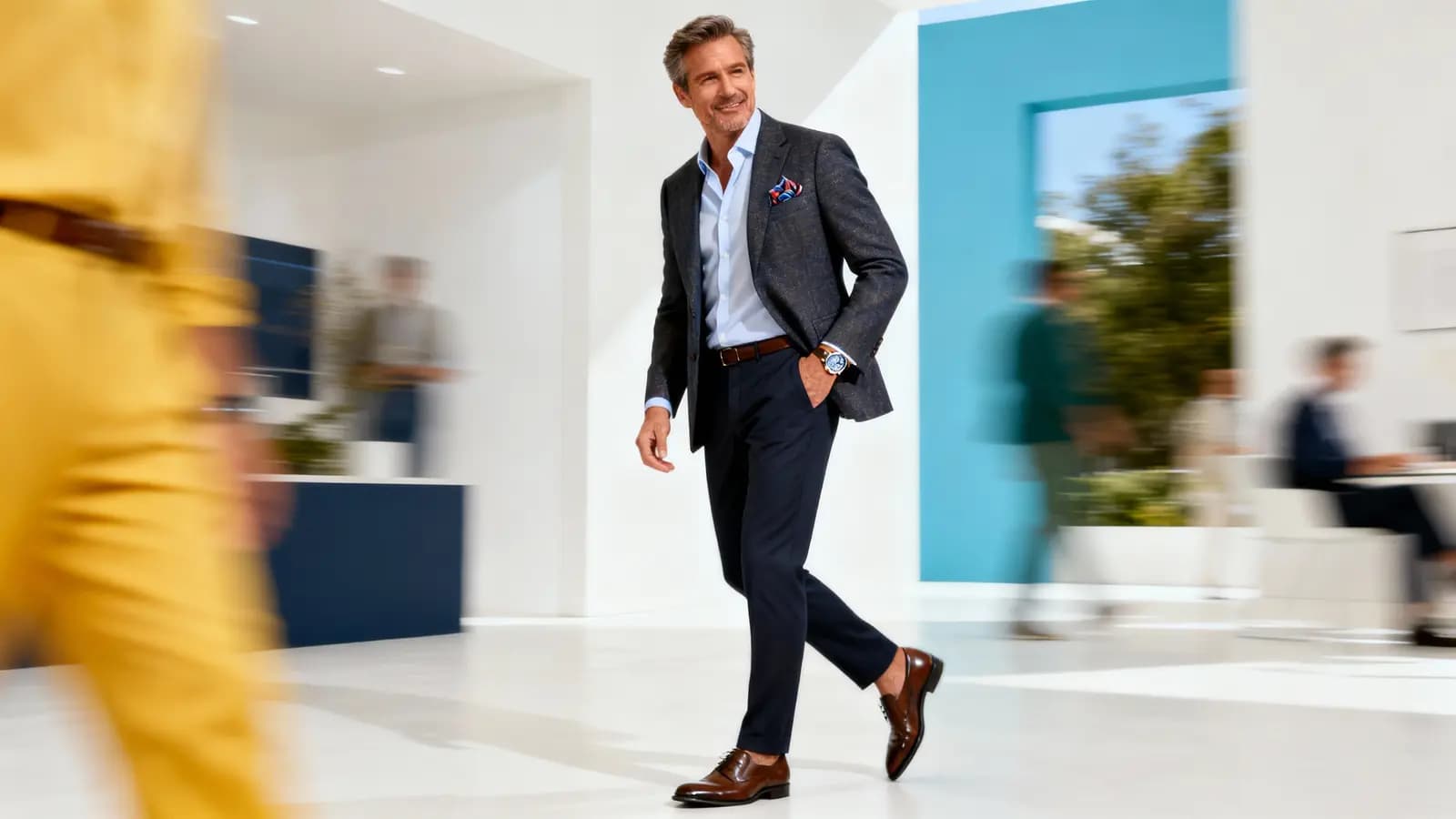
Men's Wear Guide: Building a Complete Men's Wardrobe
Building a complete men's wardrobe is about more than just buying clothes—it's about creating a foundation of versatile pieces that work together. A well-planned men's wardrobe saves time, money, and stress while ensuring you always look polished and put-together.
The modern man faces a unique challenge: According to a 2024 men's fashion survey, 72% of men want to dress better but don't know where to start. Many men have closets full of clothes but still struggle to create outfits that make them feel confident.
The solution isn't buying more clothes—it's buying the right clothes and learning how to combine them. With the right foundation pieces, you can create countless outfits for different occasions. And modern AI technology makes this process easier than ever.
"I used to have a closet full of clothes but still felt like I had nothing to wear. After learning the principles of men's wardrobe building and using Klodsy to analyze my existing pieces, I discovered I could create dozens of new outfits from what I already owned. Now I dress with confidence every day." — James R., Consultant, London
The Foundation: Essential Men's Wardrobe Pieces
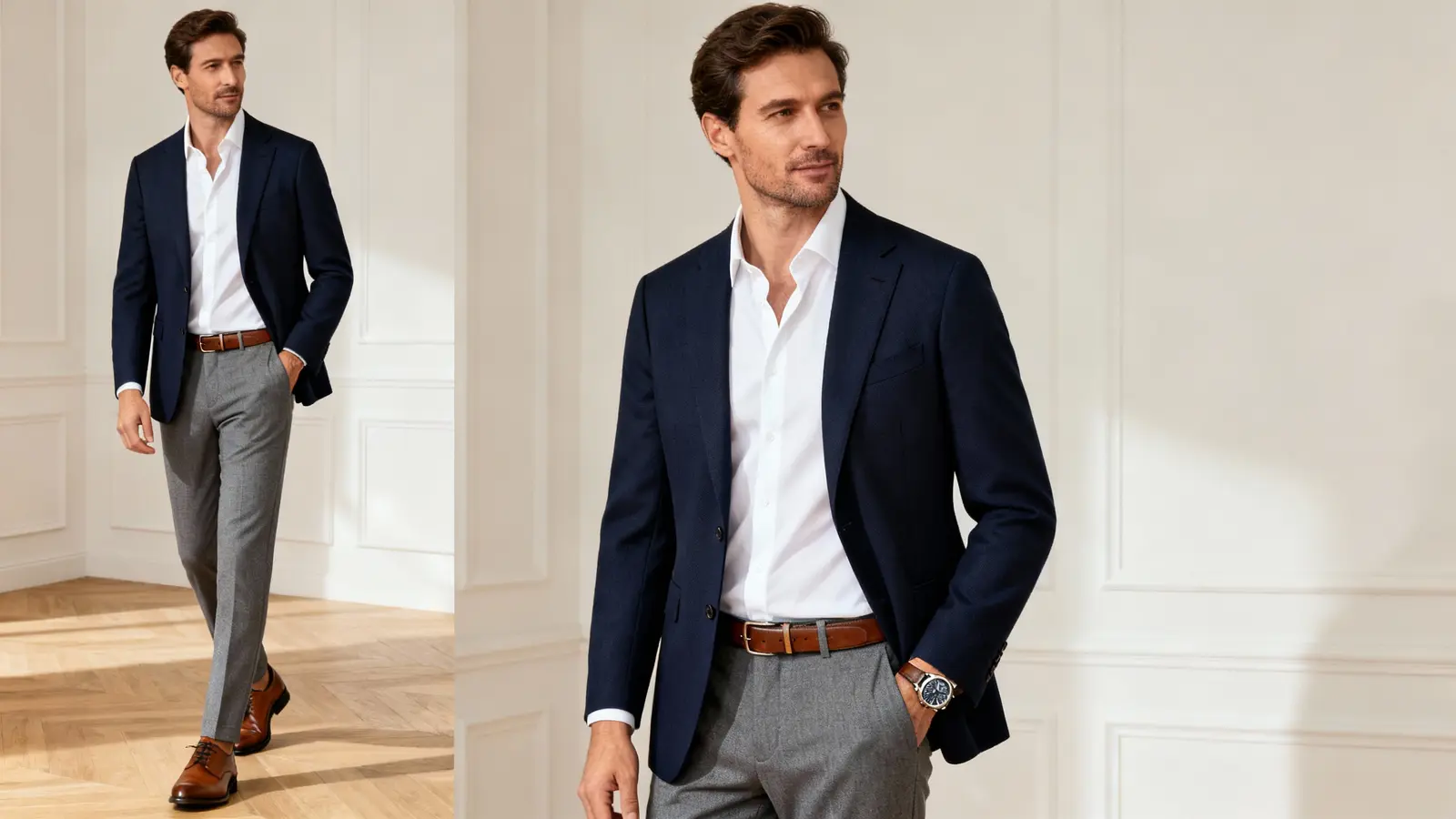
Every great men's wardrobe starts with essential foundation pieces. These are the building blocks that work together to create countless outfit combinations. Invest in quality versions of these pieces, and you'll have a wardrobe that serves you for years.
Shirts: The Cornerstone
Dress Shirts:
- White dress shirt: The most versatile piece—works for business, formal events, and can be dressed down
- Light blue dress shirt: Classic, professional, versatile
- Patterned dress shirt: Adds interest—stripes, checks, or subtle patterns
- Fit: Should fit well in shoulders, chest, and waist
- Quality indicators: Good fabric, proper collar, well-constructed
Casual Shirts:
- Oxford shirt: Classic, versatile, works with jeans or chinos
- Polo shirt: Smart casual, comfortable, versatile
- Button-down shirt: Casual but polished, great for weekends
- Henley shirt: Comfortable, casual, modern
Pants: The Foundation
Dress Pants:
- Navy dress pants: Most versatile—works for business and formal events
- Gray dress pants: Professional, pairs with many colors
- Black dress pants: Formal, versatile, slimming
- Fit: Should fit well in waist, hips, and length
- Quality indicators: Good fabric, proper construction, appropriate break
Casual Pants:
- Dark denim jeans: Versatile, can be dressed up or down
- Chinos: Smart casual, comfortable, versatile colors (khaki, navy, gray)
- Cargo pants: Functional, casual, comfortable
- Fit: Should fit well without being too tight or too loose
Outerwear: Protection and Style
Blazer/Sport Coat:
- Navy blazer: Most versatile—works with almost everything
- Gray blazer: Professional, pairs with many colors
- Fit: Should fit well in shoulders and chest
- Quality indicators: Good fabric, proper construction, well-tailored
Jackets:
- Leather jacket: Timeless, versatile, adds edge
- Denim jacket: Casual, versatile, layers well
- Bomber jacket: Modern, casual, comfortable
- Fit: Should fit well without being too tight
Coats:
- Wool coat: Classic, warm, professional
- Trench coat: Timeless, versatile, weather-resistant
- Parka: Warm, functional, modern
- Fit: Should allow for layering underneath
Shoes: Completing the Look
Dress Shoes:
- Black oxfords: Formal, professional, versatile
- Brown derbies: Versatile, pairs with many colors
- Loafers: Smart casual, comfortable, versatile
- Quality indicators: Good leather, proper construction, comfortable
Casual Shoes:
- Sneakers: Comfortable, versatile, modern
- Boots: Functional, stylish, weather-appropriate
- Boat shoes: Casual, comfortable, classic
- Quality indicators: Comfortable, durable, versatile
Accessories: The Finishing Touches
Belts:
- Black leather belt: Formal, pairs with black shoes
- Brown leather belt: Versatile, pairs with brown shoes
- Quality indicators: Good leather, proper buckle, right width
Watches:
- Classic watch: Functional, stylish, professional
- Sports watch: Functional, casual, modern
- Quality indicators: Reliable, good design, appropriate size
Ties:
- Navy tie: Versatile, professional, classic
- Patterned ties: Add interest, show personality
- Quality indicators: Good fabric, proper width, well-constructed
Other Accessories:
- Socks: Match pants or shoes, quality matters
- Pocket square: Adds sophistication, shows attention to detail
- Wallet: Functional, should be slim and well-made
Building Your Wardrobe: The Investment Strategy
Building a men's wardrobe is an investment. Here's how to approach it strategically to get the most value for your money.
Phase 1: Foundation (Months 1-3)
Priority: Essential pieces that work for multiple occasions.
What to buy:
- 2-3 dress shirts (white, light blue)
- 2 pairs of dress pants (navy, gray)
- 1 blazer (navy)
- 1 pair of dress shoes (black or brown)
- 1 belt (matches shoes)
- 1 watch
Budget: 60-70% of total wardrobe budget
Why: These pieces form the foundation of your wardrobe and can be combined in many ways.
Phase 2: Expansion (Months 4-6)
Priority: Add variety and versatility.
What to buy:
- 2-3 casual shirts
- 1-2 pairs of jeans
- 1-2 pairs of chinos
- 1 casual jacket
- 1 pair of casual shoes
- Additional accessories
Budget: 20-25% of total wardrobe budget
Why: These pieces add versatility and allow for more casual outfits.
Phase 3: Refinement (Months 7-12)
Priority: Fill gaps and add statement pieces.
What to buy:
- Additional shirts in different colors/patterns
- Specialized pieces (suit, formal wear)
- Quality accessories
- Seasonal pieces
Budget: 10-15% of total wardrobe budget
Why: These pieces complete your wardrobe and add polish.
Color Coordination: The Art of Men's Style
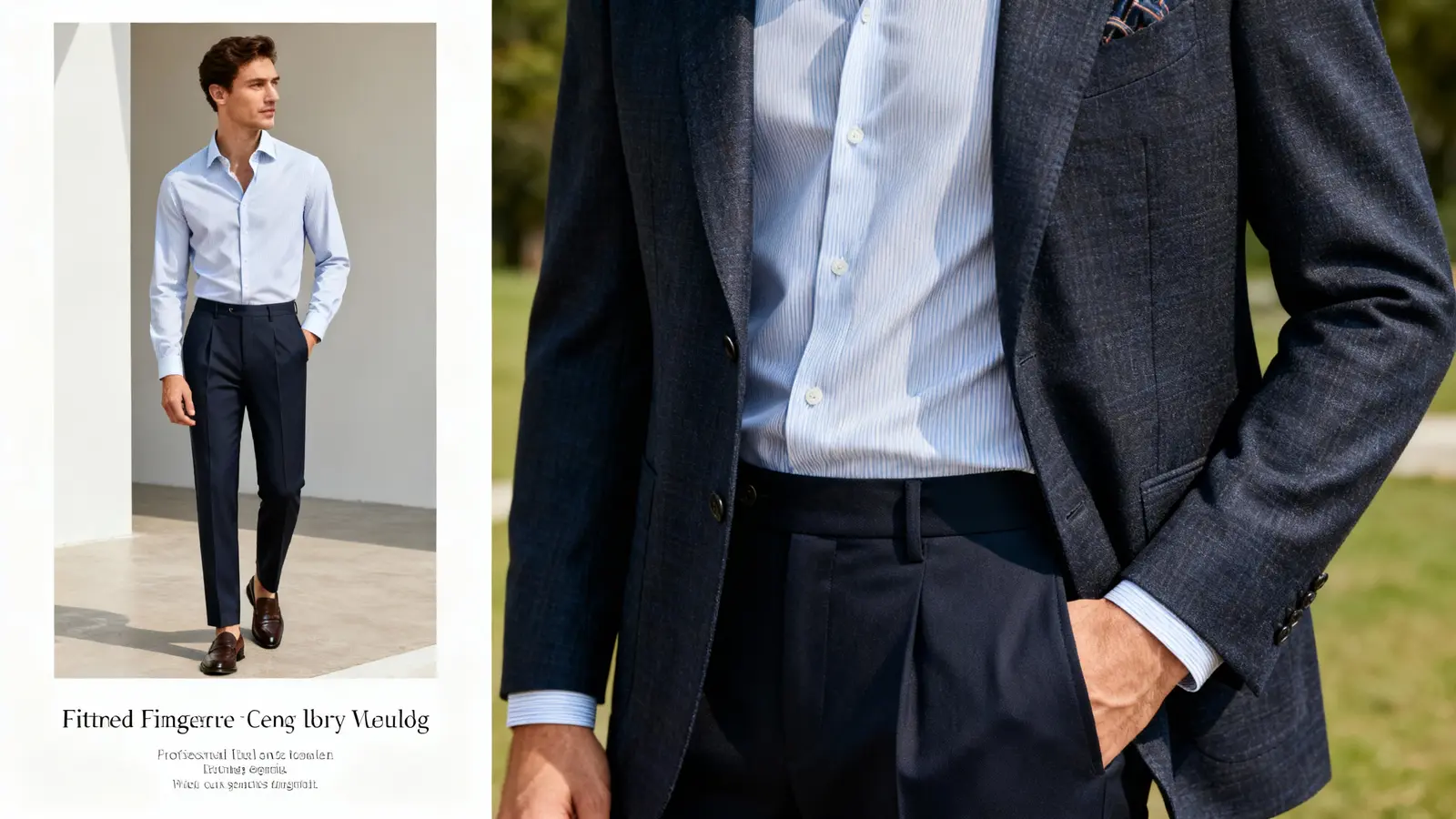
Understanding color coordination is essential for creating great men's outfits. The right color combinations make you look polished and put-together, while wrong combinations can make even expensive clothes look off.
The Color Wheel Basics:
Neutral Colors (Foundation):
- Navy: Most versatile, works with almost everything
- Gray: Professional, pairs with many colors
- Black: Formal, versatile, slimming
- White: Clean, versatile, pairs with everything
- Beige/Khaki: Warm, versatile, casual
How to use neutrals:
- Start with neutrals: Build your foundation with neutral pieces
- Mix neutrals: Navy, gray, and beige work well together
- Add color carefully: Use neutrals as a base for colored pieces
Complementary Colors:
Navy + Beige:
- Classic, professional, versatile
- Works for business and casual
- Example: Navy blazer, beige chinos, brown shoes
Gray + Blue:
- Professional, modern, versatile
- Works for business and smart casual
- Example: Gray suit, light blue shirt, navy tie
Black + White:
- Classic, formal, versatile
- Works for formal and business
- Example: Black suit, white shirt, black shoes
Adding Color:
Safe color additions:
- Burgundy: Rich, sophisticated, pairs with navy and gray
- Forest green: Natural, professional, pairs with navy
- Navy blue: Versatile, professional, pairs with many colors
Bold color additions:
- Red: Bold, confident, use as accent
- Yellow: Energetic, use sparingly
- Bright blue: Modern, use carefully
Color coordination rules:
- Match belt and shoes: Black belt with black shoes, brown with brown
- Socks should match: Either pants or shoes
- Tie should complement: Shirt and suit/jacket
- Start conservative: Add color gradually as you gain confidence
Fit: The Most Important Factor
Fit is the most important factor in men's style. Even the most expensive clothes look bad if they don't fit well, while well-fitted affordable clothes look great.
Shirt Fit:
Shoulders:
- Seam should sit at shoulder edge
- Not too wide or too narrow
- Allows for comfortable movement
Chest:
- Should fit comfortably without pulling
- Allows for one finger between shirt and chest
- Not too tight or too loose
Waist:
- Should fit well without being too tight
- Tucks into pants comfortably
- Allows for movement
Sleeves:
- Should end at wrist bone
- Cuff should fit comfortably
- Not too long or too short
Pants Fit:
Waist:
- Should fit comfortably without belt (but wear belt)
- Allows for one finger between pants and waist
- Not too tight or too loose
Hips:
- Should fit comfortably
- Not too tight or too loose
- Allows for movement
Length:
- Should break slightly on shoe
- Not too long (puddles on ground)
- Not too short (shows socks when sitting)
Jacket/Blazer Fit:
Shoulders:
- Should fit well without padding extending beyond shoulders
- Allows for comfortable movement
- Not too wide or too narrow
Chest:
- Should fit comfortably
- Allows for buttoning without pulling
- Not too tight or too loose
Length:
- Should cover seat of pants
- Not too long or too short
- Proportionate to body
Getting the Right Fit:
Know your measurements:
- Chest, waist, hips, inseam, sleeve length
- Use these when shopping online
- Update regularly (body changes)
Try before you buy:
- Always try on clothes
- Move around in them
- Sit, stand, reach—test comfort
Consider tailoring:
- Off-the-rack rarely fits perfectly
- Tailoring can make affordable clothes look expensive
- Worth the investment for key pieces
Use AI technology:
- Klodsy's virtual try-on shows how clothes fit
- Helps you see fit before buying
- Saves time and money
Occasion-Based Dressing: What to Wear When
Different occasions require different approaches to men's dressing. Understanding what's appropriate for each occasion helps you dress confidently.
Business Professional:
What it means: Traditional business environment, conservative dress code.
What to wear:
- Suit (navy or gray) or blazer and dress pants
- Dress shirt (white or light blue)
- Dress shoes (black or brown)
- Tie (conservative colors/patterns)
- Belt (matches shoes)
- Professional watch
What to avoid:
- Casual shoes
- Jeans
- T-shirts
- Loud patterns or colors
Business Casual:
What it means: Less formal business environment, more flexibility.
What to wear:
- Blazer or sport coat
- Dress shirt or polo shirt
- Chinos or dress pants
- Dress shoes or smart casual shoes
- Optional tie
- Belt
What to avoid:
- Suits (usually too formal)
- Jeans (usually too casual, depends on workplace)
- Sneakers (usually too casual)
- T-shirts (usually too casual)
Smart Casual:
What it means: Polished but relaxed, social or semi-formal events.
What to wear:
- Blazer or casual jacket
- Button-down shirt or polo
- Dark jeans or chinos
- Smart casual shoes or boots
- Optional accessories
What to avoid:
- Suits (too formal)
- Athletic wear
- Flip-flops
- Overly casual pieces
Casual:
What it means: Relaxed, everyday wear, weekends, informal events.
What to wear:
- T-shirt, polo, or casual shirt
- Jeans or casual pants
- Sneakers or casual shoes
- Casual jacket (optional)
What to avoid:
- Suits
- Dress shoes (usually too formal)
- Ties
- Overly formal pieces
Formal:
What it means: Black tie, white tie, or very formal events.
What to wear:
- Tuxedo or formal suit
- Formal dress shirt
- Formal dress shoes
- Bow tie or formal tie
- Cummerbund (if required)
- Formal accessories
What to avoid:
- Business suits (usually not formal enough)
- Casual shoes
- Casual accessories
Seasonal Men's Wear: Adapting to Weather
Men's wear needs to adapt to different seasons and weather conditions. Understanding how to dress for each season ensures comfort and style year-round.
Spring:
Weather: Mild, variable, can be rainy.
Key pieces:
- Lightweight jackets (denim, light blazer)
- Long-sleeve shirts (can layer)
- Chinos or lightweight pants
- Lightweight shoes or boots
- Light scarf (optional)
Layering strategy:
- Start with shirt
- Add light jacket or sweater
- Remove layers as day warms
Summer:
Weather: Hot, sunny, humid.
Key pieces:
- Lightweight shirts (linen, cotton)
- Shorts or lightweight pants
- Lightweight shoes or sandals
- Lightweight jacket (for evenings)
- Sun protection (hat, sunglasses)
Fabric choices:
- Linen (breathable, cool)
- Cotton (comfortable, versatile)
- Lightweight synthetics (moisture-wicking)
Fall:
Weather: Cool, variable, can be rainy.
Key pieces:
- Medium-weight jackets (blazer, denim jacket)
- Long-sleeve shirts and sweaters
- Jeans or chinos
- Boots or closed-toe shoes
- Scarf (optional)
Layering strategy:
- Base layer (shirt)
- Middle layer (sweater or light jacket)
- Outer layer (jacket or coat)
Winter:
Weather: Cold, can be wet or snowy.
Key pieces:
- Heavy coats (wool, down, parka)
- Warm sweaters
- Long pants (wool, heavy denim)
- Boots (insulated, waterproof)
- Warm accessories (scarf, gloves, hat)
Layering strategy:
- Base layer (thermal or moisture-wicking)
- Middle layer (sweater or fleece)
- Outer layer (coat or jacket)
Men's Wear Trends 2025
Men's fashion in 2025 combines timeless classics with modern updates. This year's trends focus on sustainability, versatility, and personal expression.
Sustainable Fashion:
- Quality over quantity: Investment pieces that last
- Sustainable materials: Organic cotton, recycled fabrics
- Ethical production: Responsible manufacturing
- Long-lasting design: Timeless styles over trends
Versatile Pieces:
- Multi-purpose items: Pieces that work for multiple occasions
- Layering-friendly: Pieces that combine well
- Color versatility: Neutral colors that pair with many things
- Style flexibility: Pieces that can be dressed up or down
Modern Classics:
- Updated traditional: Classic pieces with modern details
- Contemporary fits: Modern cuts on traditional pieces
- New materials: Technical fabrics in classic styles
- Refined details: Subtle but impactful updates
Personal Expression:
- Individual style: Expressing personality through clothing
- Confidence: Dressing in a way that feels authentic
- Experimentation: Trying new combinations and styles
- Self-expression: Using fashion to show who you are
Color Trends:
- Rich neutrals: Deep navy, charcoal gray, warm beige
- Earth tones: Olive green, rust, terracotta
- Classic blues: Navy, royal blue, sky blue
- Warm grays: Charcoal, heather gray, silver
Style Trends:
- Relaxed fits: Comfortable but not oversized
- Tailored casual: Polished but not formal
- Technical luxury: High-end performance wear
- Heritage styles: Classic pieces with modern updates
Common Men's Wear Mistakes and How to Avoid Them
Many men make the same style mistakes. Learning these common errors helps you avoid them and dress better.
Mistake 1: Poor Fit
The problem: Clothes that are too big, too small, or poorly proportioned.
The solution:
- Know your measurements
- Try clothes on before buying
- Consider tailoring for key pieces
- Use AI virtual try-on to see fit
Mistake 2: Ignoring Occasion
The problem: Dressing inappropriately for the occasion.
The solution:
- Understand dress codes
- When in doubt, err on the side of formality
- Have versatile pieces that work for multiple occasions
- Use AI to get outfit suggestions for specific occasions
Mistake 3: Neglecting Accessories
The problem: Focusing on clothes but ignoring accessories.
The solution:
- Invest in quality accessories (belt, watch, shoes)
- Match belt and shoes
- Choose accessories that complement your outfit
- Don't over-accessorize
Mistake 4: Color Clashes
The problem: Colors that don't work well together.
The solution:
- Start with neutral colors
- Learn basic color coordination
- Use color wheel as reference
- When in doubt, stick to neutrals
Mistake 5: Over-Trendy
The problem: Following trends that don't suit you or won't last.
The solution:
- Invest in timeless pieces
- Add trendy items sparingly
- Choose trends that suit your style
- Focus on quality over trends
Mistake 6: Neglecting Maintenance
The problem: Not caring for clothes properly.
The solution:
- Follow care instructions
- Clean clothes regularly
- Store properly
- Repair when needed
Using AI Technology for Men's Wardrobe Planning
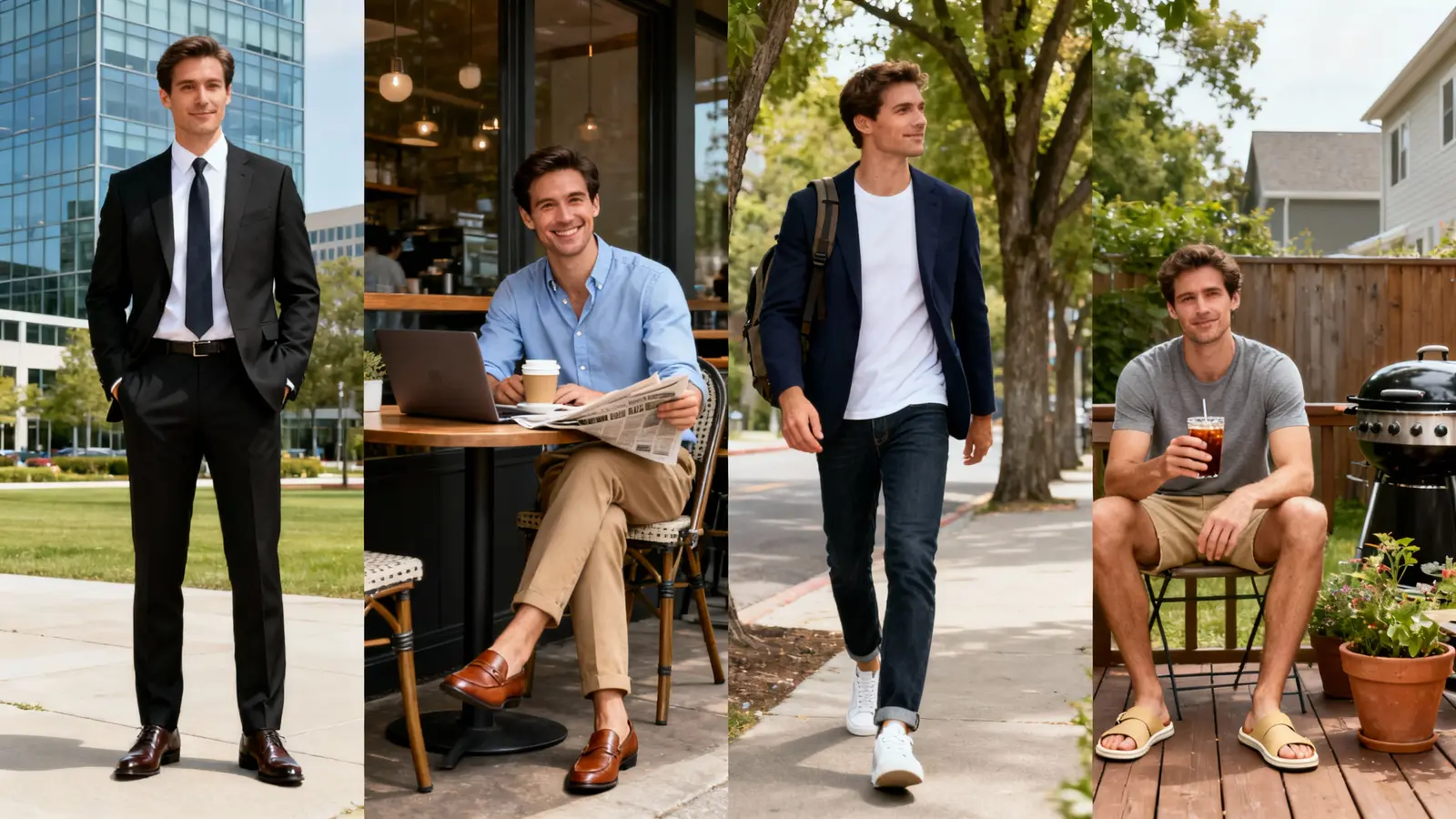
Modern AI technology makes men's wardrobe planning easier than ever. Klodsy and similar platforms can help you build and optimize your wardrobe.
How AI helps with men's wear:
1. Wardrobe Analysis:
- Identifies what you have: Analyzes your existing wardrobe
- Finds gaps: Suggests pieces you need
- Suggests combinations: Shows how pieces work together
- Maximizes existing pieces: Helps you use what you have better
2. Outfit Suggestions:
- For specific occasions: Business, casual, formal
- Based on weather: Adapts to conditions
- Personalized style: Learns your preferences
- New combinations: Discovers outfits you haven't tried
3. Virtual Try-On:
- See before you buy: Visualize how clothes look
- Test combinations: Try different outfit combinations
- Check fit: See how clothes fit your body
- Compare options: Side-by-side comparisons
4. Style Learning:
- Learns your preferences: Gets better over time
- Suggests improvements: Helps you dress better
- Personalized recommendations: Tailored to your style
- Style evolution: Adapts as your style changes
5. Shopping Assistance:
- Suggests pieces to buy: Based on your wardrobe gaps
- Shows how pieces work: With your existing wardrobe
- Price comparisons: Helps you find deals
- Quality recommendations: Suggests good brands
Real-world example:
"I had no idea how to build a men's wardrobe. Klodsy analyzed what I had, showed me how pieces worked together, and suggested what to buy next. Now I have a wardrobe that works for any occasion, and I can see how new pieces will look before I buy them." — David L., Engineer, San Francisco
Building a Sustainable Men's Wardrobe
Sustainability is increasingly important in men's fashion. Building a sustainable wardrobe is good for the environment, your wallet, and your style.
Quality Over Quantity:
- Invest in quality: Better pieces last longer
- Fewer, better items: More versatile wardrobe
- Long-term value: Saves money over time
- Better style: Quality pieces look better
Sustainable Materials:
- Organic cotton: Better for environment
- Recycled fabrics: Reduces waste
- Natural fibers: Wool, linen, silk
- Sustainable brands: Support responsible companies
Care and Maintenance:
- Proper care: Extends life of clothes
- Repair when needed: Don't throw away, fix
- Proper storage: Keeps clothes in good condition
- Regular cleaning: Maintains appearance
Versatility:
- Multi-purpose pieces: Work for many occasions
- Timeless styles: Don't go out of fashion
- Mix and match: Create many outfits from few pieces
- Long-lasting: Pieces that serve you for years
Conclusion: Master Men's Wear, Master Your Style
Building a complete men's wardrobe is a journey, not a destination. Start with quality foundation pieces, learn the principles of fit and color coordination, and use modern technology to optimize your wardrobe.
Key takeaways:
- Start with essentials: Quality foundation pieces
- Understand fit: Most important factor
- Learn color coordination: Creates polished looks
- Invest wisely: Quality over quantity
- Use technology: AI can help optimize your wardrobe
- Build gradually: Don't try to do everything at once
The foundation pieces are your starting point. Master these, and you can build a wardrobe that works for any occasion. Combine them with understanding of fit, color, and occasion, and you'll always look polished and confident.
Modern technology like Klodsy makes this process easier. You can analyze your wardrobe, see how pieces work together, visualize outfits before buying, and get personalized recommendations—all powered by AI.
Ready to build your perfect men's wardrobe?
Frequently Asked Questions
Everything you need to know about this topic
Essential men's wardrobe pieces include: classic dress shirts (white, light blue), well-fitted pants (navy, gray, black), a quality blazer or suit, versatile shoes (dress shoes, boots, sneakers), and accessories (belt, watch, tie). Klodsy can help you visualize how these pieces work together and suggest combinations based on your style preferences.